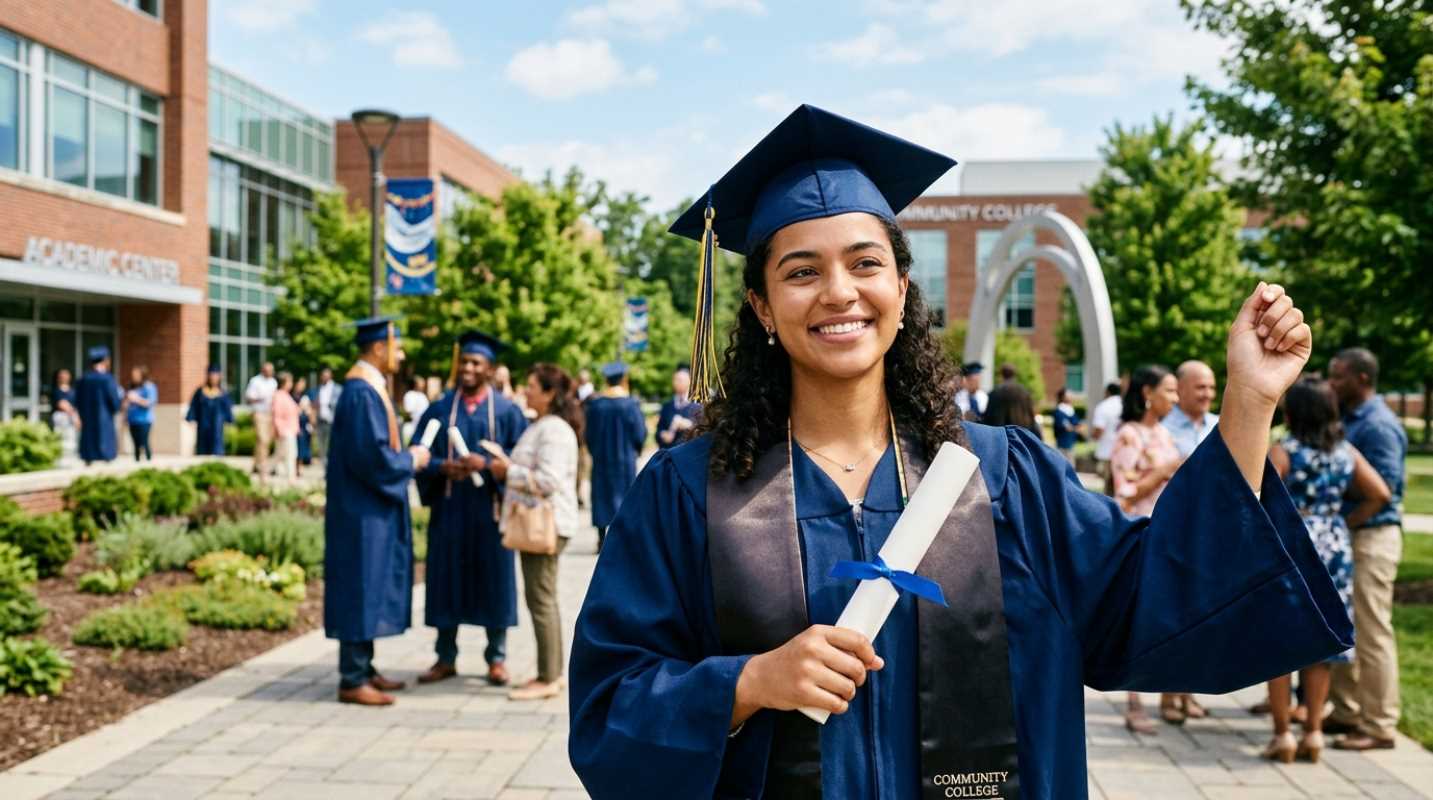
Did you roll straight from high school graduation directly into a college dorm? For decades, that was the unquestioned route. We treat the high school to college transition like a conveyor belt. You get your diploma, pack your bags, and immediately start pulling all-nighters in a library. But does this relentless pace actually make sense?
In 2026, the modern gap year looks entirely different from the old stereotype of backpacking aimlessly around the world. Today, it is a highly purposeful choice. It is a strategic pause designed to help you build real skills and figure out who you actually are before investing six figures in a degree. Think of it as a strategic investment in your long-term success rather than a year off.
Today's students are prioritizing personal growth over partying. According to the Kilroy Gap Year Travel Report, Gen Z is changing how we look at travel.¹ In fact, 64% of these students are opting for completely sober gap years, while only 6% express any interest in partying.¹ They are using this time to build skills, work, and grow up.
Boosting College Readiness Through Real-World Experience
We have a massive college readiness gap right now. Ask any university professor and they will tell you the same thing. A study from the College Board and Pearson revealed that college faculty feel incoming first-year students are falling behind.² Specifically, 72% of faculty report a lack of important thinking skills, 70% see issues with problem-solving, and 71% notice a drop in emotional intelligence.²
How do you fix that? You do not fix it by sitting in another lecture hall. You fix it with real-world experience.
When you spend six months managing a budget at an internship or working with a team on a conservation project, you learn how to manage your time. You learn self-discipline because no one is waking you up for your shift. These soft skills translate directly into academic success.
The data backs this up. Let's look at the numbers
• The GPA Boost: A study in the Journal of Adolescent Research found that gap year students achieved a 15% higher college GPA after their first year. They averaged a 3.45 compared to the 3.00 of their peers who went straight to school.
• STEM Success: Research from the University of Pennsylvania showed that 78% of gap year students earned higher GPAs in tough STEM courses, averaging a 3.6 compared to 3.3 for others.
• Faster Graduation: Harvard University reports that their gap year students have a 12% higher retention rate and graduate 10% faster on average.
• Credit Acceleration: Stanford University found that gap year students earned 16% more academic credits per semester.
Robert Clagett, the former Dean of Admissions at Middlebury College, studied this trend closely. He found that gap year students consistently outperform their predicted GPAs. The best part is that this positive academic effect does not fade after freshman year. It lasts through all four years of college.
The Science of Student Development
Let's talk about mental health. The jump from high school to college is a massive pressure cooker. Burnout is incredibly common. Taking a step back builds the resilience you need to survive and thrive.
When you handle an unfamiliar environment, you learn how to handle discomfort. Maybe you are volunteering in a different state or learning a new trade. These experiences help you grow up. Family therapist Erica Komisar notes that a gap year, especially one focused on serving others, helps young adults move past the self-centered focus of youth. It helps you build the emotional strength needed to handle the independence of college.
The mental health benefits are measurable. Clinical data using the Mental Health Inventory shows that students who complete a structured gap year experience a major drop in stress. Anxiety scores dropped from 3.3 to 2.6 post-gap year, and depression scores fell from 3.4 to 2.2.
Beyond mental health, a gap year gives you career clarity. About 60% of gap year participants say their experience helped them choose their career path or confirm their major. Considering that 80% of college students change their major at least once, this clarity can save you thousands of dollars in wasted tuition.
Getting the most from Gap Year Benefits with Structured Time
A gap year only works if you actually have a plan. There is a massive difference between an intentional, structured year and simply sleeping on your parents' couch for twelve months.
Gap year expert Julia Rogers from EnRoute Consulting emphasizes that the magic happens when you treat this time as an intentional, experiential journey. Without structure, you risk losing your academic momentum. The Gap Year Association reports that 90% of students who take a structured gap year go back to school within twelve months.³ If you have a plan, you will not get lost.
So, how do you structure it? You want to mix high-impact activities like internships, service work, and travel.
If you are looking to plan a highly effective gap year, here are some of our top picks for structured programs
To make the most of this time, focus on these key approaches
• Set clear goals: Decide what you want to learn before the year starts.
• Build a schedule: Break your year into blocks, such as working for three months to save money, then traveling or interning for four months.
• Get credentials: Look for programs that offer certifications or real-world training. The U.S. Chamber of Commerce found that 71% of hiring managers view candidates with practical experience or credentials as highly prepared for the workforce.
Investing in Your Future Self
Taking a gap year accelerates your life rather than pausing it. When you step onto campus with a year of real-world experience under your belt, you are not just another freshman. You are more mature, more focused, and far more resilient than you were twelve months prior.
This advantage compounds over time. You will get better grades, graduate faster, and know exactly what career you want to pursue. Admissions leaders like Mark Hatch, the former VP of Enrollment at Colorado College, have seen this first-hand. He noted that gap year students have fewer behavioral issues and are much more likely to become campus leaders. In fact, Colorado College aims to have 20% of their incoming class consist of gap year students because they simply outperform everyone else.
If you are on the fence, stop thinking of this as a lost year. View it as your competitive advantage. Start planning your transition early, find a structured program that excites you, and invest in the person you want to become.
Sources:
1. Kilroy Gap Year Travel Report
https://www.kilroy.co.uk/about-us/press/gap-year-travel-report
2. Does K-12 Have What It Needs to Close the College Readiness Gap?
https://www.k12dive.com/spons/does-k-12-have-what-it-needs-to-close-the-college-readiness-gap/818647/
3. 7 Gap Year Trends to Know for 2024
https://gapyearsolutions.com/blog/7-gap-year-trends-to-know-for-2024/