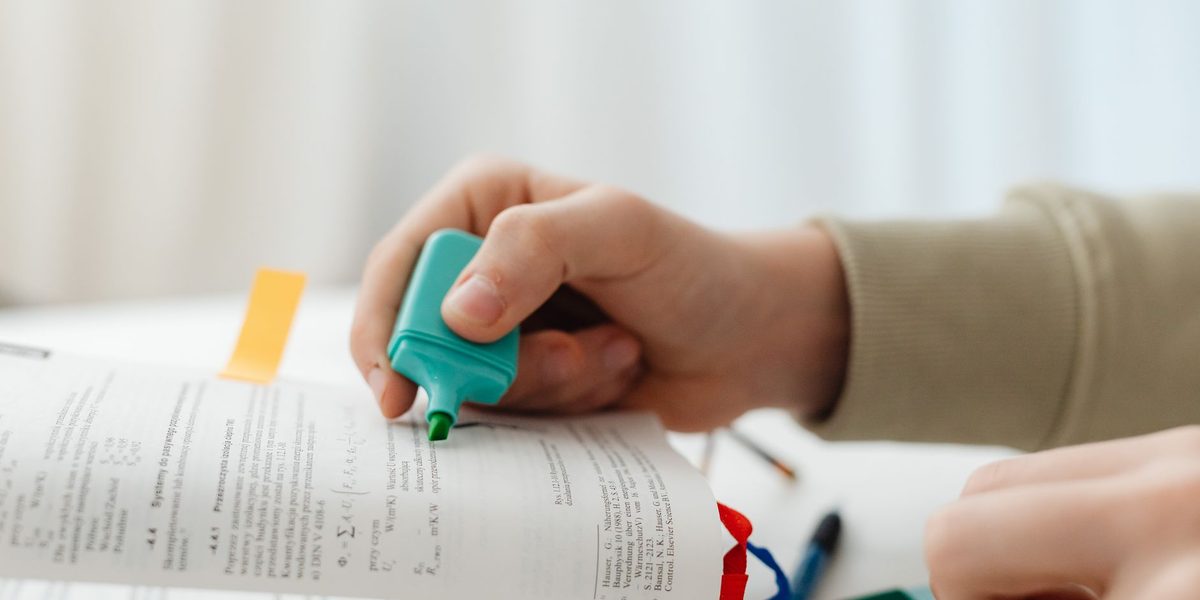
Few college expenses generate as much quiet resentment as textbooks. The syllabus arrives, the required list is long, and the campus bookstore total can rival a month of groceries. Yet textbook spending is one of the most compressible costs in all of higher education. Students who approach it strategically routinely pay a fraction of what their classmates pay for identical materials, with no harm to their grades. The trick is knowing the full menu of options, the timing that makes each one work, and the few traps worth avoiding.
Never Buy Before the First Class
The single most expensive habit is purchasing everything on the list before the semester begins. Required lists are often aspirational: some books are barely opened, some are used for a single chapter, and some professors openly tell students on day one that an older edition or library copy will do. Unless a course explicitly requires materials for the first session, wait until you have heard the professor describe how each book will actually be used.
Email the professor in advance if you want a head start, and ask two direct questions: which materials are truly essential, and whether an earlier edition is acceptable. Most professors answer honestly and many are sympathetic; they did not set the prices. A two-line email can save more per minute than almost anything else you will do all semester.
Master the Used Market
Used copies are the workhorse of textbook savings. The campus bookstore sells them, but its used prices are often the highest in the market. Compare across online marketplaces, student-to-student exchange groups on your campus, and the bulletin boards of departmental buildings. Students who just finished the course are motivated sellers, and buying locally means no shipping delay and a chance to flip through the actual copy.
Condition matters less than students fear. Highlighting by a previous owner is cosmetic, and a cracked spine reads the same as a new one. What matters is completeness: check that any required access codes, inserts, or workbook pages are intact if the course needs them, because those are the components that cannot be bought separately at a fair price.
Rent When You Will Never Open It Again
Renting fits books you need for one semester and will never consult afterward, which describes most general-education requirements. Rental prices typically run well below used purchase prices, and both bookstores and online services offer the option. Read the terms before committing: note the return deadline, the fees for damage or late returns, and whether highlighting is allowed.
- Rent when the book is for a requirement outside your major.
- Buy used when the book is foundational to your field and worth keeping as a reference.
- Buy new only when a required access code forces it or resale value is likely to stay high.
- Skip entirely when the professor confirms the book is optional or the library has it on reserve.
Set a calendar reminder for rental return dates during finals week, when memory is least reliable. A forgotten rental converts your savings into a full purchase at the worst possible price.
Go Digital Selectively
Electronic textbooks usually cost less than print and arrive instantly, which rescues anyone who waited too long. Many include search, built-in flashcards, and adjustable text. But digital is not automatically the frugal choice: e-book rentals expire, resale is impossible, and some students genuinely retain less from screens, which has its own cost come exam time.
Check whether your campus library provides free electronic access to assigned titles; many academic publishers license books through libraries, and a surprising number of assigned readings are available at no cost to anyone who checks. Also look for open educational resources, which are free, openly licensed textbooks that a growing number of professors assign deliberately. If your professor has not heard of an open alternative in their subject, asking about it occasionally plants a useful seed for future classes.
Use the Library Like a Professional
The library is the most underused tool in the textbook game. Professors often place copies of required texts on course reserve, available to borrow for a few hours at a time, which is ample for weekly readings and problem sets. The main collection frequently holds earlier editions, and interlibrary loan can pull nearly any book from partner institutions within days, free of charge.
A practical pattern: use a reserve or library copy for the first weeks while you learn how heavily the course leans on the book, then buy a cheap used copy only if daily access proves necessary. Many students finish entire courses this way without spending anything, especially in discussion-based classes where readings matter more than problem sets.
Splitting costs with classmates is another quiet option. Two students in the same section can share one copy of a book used only for weekly readings, trading custody around each other's schedules, and lab partners often share manuals the same way. Study groups sometimes pool a single reference copy for the whole team. The approach requires coordination and fails for daily-use workbooks, so reserve it for secondary texts, but for the right course it cuts an already reduced bill in half. Just agree up front who keeps or sells the book at the end of the term, before resale value becomes a negotiation.
Mind the Access Code Trap
The hardest costs to avoid are online homework platforms whose access codes are bundled with new books. When a course requires one, a used book alone will not suffice, and standalone codes can cost nearly as much as the bundle. Here, strategy shifts: compare the bundle price against a used book plus a standalone code, check whether the publisher offers a cheaper e-book plus code package, and ask the professor whether any students can use a shared or legacy option.
Before paying, confirm the code is genuinely graded coursework and not an optional supplement. If it is required, buy it from the publisher or bookstore rather than a third-party seller, because secondhand codes are often already used and nonrefundable, a popular small scam that catches students every term.
Sell Well and Close the Loop
Recouping money at the end of the semester is half the system. Sell promptly, because values fall whenever a new edition is announced. Compare the bookstore's buyback offer, which is convenient but usually low, against online buyback services and direct sales to students taking the course next term. Direct sales almost always pay best; a short post in a campus group with the course number does most of the work.
- Keep books in good condition through the term; water damage and missing pages crater resale value.
- Photograph the book and list it during finals week, when next semester's students are starting to look.
- Price slightly below the cheapest comparable online listing for a fast local sale.
- For books worth keeping, skip the sale; a personal reference library in your major has real long-term value.
Final Thoughts
Textbook costs feel fixed only to students who buy everything new, early, and from one store. Treat each book as its own small decision: wait for the professor's guidance, choose among used, rental, digital, library, and free options, handle access codes with care, and sell what you no longer need while it still holds value. None of these steps takes much time, and together they routinely cut the semester's book bill dramatically. The money saved is not abstract; it is groceries, a flight home, or one less hour you need to work during exam week. Few habits in college pay this well for this little effort.