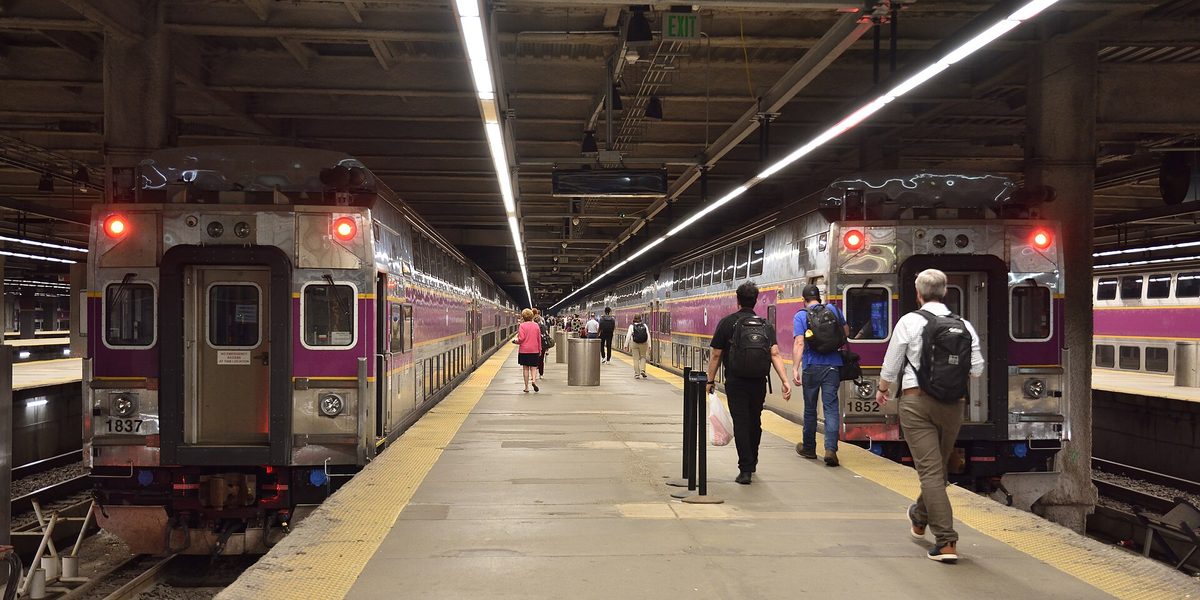
Commuter students are the quiet majority on many campuses, yet almost all college advice is written as if everyone lives in a dorm. Commuting is a genuinely different way to do college: you save serious money and often keep valuable family and work ties, but you also fight traffic instead of walking five minutes to class, and you have to work harder for the social fabric that residential students get automatically. The commuters who thrive aren't lucky; they treat the commute as a design problem and solve it deliberately. Here's how.
Build Your Schedule Around the Commute, Not Despite It
For a residential student, a schedule with one class at nine and another at four is mildly annoying. For a commuter, it's a disaster: either seven stranded hours on campus or two round trips in one day. Your first and most powerful tool is registration strategy. Register as early as your enrollment window allows, and build compact schedules, classes blocked into two or three days per week, with gaps big enough to use but small enough not to waste.
Think hard about timing, too. An eight o'clock class that sounds manageable on paper means a commute during peak traffic; a midday block might cut your travel time dramatically. Before finalizing, mentally simulate each day of the week, door to door. And always have a backup section in mind when registering, because for a commuter, a bad schedule isn't an inconvenience, it's hundreds of lost hours over a semester.
Turn Travel Time Into Found Time
A forty-minute commute, twice a day, several days a week, adds up to hundreds of hours a year. Whether those hours are dead weight or an asset depends entirely on how you use them. If you ride a bus or train, that's prime time for reading, reviewing notes, or knocking out discussion posts on your phone. If you drive, your hands are busy but your ears are free: recorded lectures, audio versions of course materials, language practice, or simply mentally rehearsing what you studied last night.
Even the transition minutes matter. Use the walk from the parking lot to preview the day's classes; use the drive home to recap what you learned, self-explanation is one of the most effective study techniques there is, and a commute is a perfect container for it. One caution: don't fill every commute with productivity. Some days the drive home should just be music and decompression. The goal is choosing how the time is spent rather than losing it by default.
Make Campus Your Second Home Base
The classic commuter mistake is treating campus like a drive-through: arrive for class, leave immediately after. It feels efficient, but it quietly costs you everything that happens between classes, study groups, professor conversations, clubs, friendships. The fix is to claim territory. Find your spots: a favorite library floor, a quiet lounge, the commuter student center if your school has one. Having a reliable place to land between classes transforms gaps from stranded time into your best study hours.
Build a campus kit so staying is easy: chargers, snacks, headphones, a water bottle, whatever makes a six-hour day comfortable, and rent a locker if your campus offers them so you're not hauling everything daily. Learn the practical map residential students learn by osmosis: cheapest food, quietest bathrooms, best parking by time of day, where to nap. The more functional campus becomes, the more you'll stay, and staying is where college actually happens.
Solve the Social Equation Deliberately
Residential students make friends by accident, through roommates, hall events, and shared midnight pizza. Commuters have to make friends on purpose, and the ones who succeed use structure instead of chance.
- Join one or two things, properly. A club, intramural team, or student organization that meets weekly beats five things you attend once. Pick meetings adjacent to your class days so they don't require extra trips.
- Use class as a social engine. Form or join study groups early in the term, before friend groups calcify. Sit in the same area, learn names, suggest the group yourself if no one else does.
- Say yes strategically. You can't attend everything, so prioritize recurring events where the same people show up, that's how acquaintances become friends.
- Find the other commuters. Many schools have commuter associations or lounges; these people understand your constraints and often live near you, carpools and friendships both start there.
None of this requires being an extrovert. It requires showing up repeatedly in the same places, which is all the dorms were ever doing for anyone.
Master the Logistics: Parking, Weather, and Backup Plans
Commuter life runs on logistics that residential students never think about. Learn the parking situation in your first week, which lots fill by what time, where overflow goes, what a permit actually covers, and build your arrival time around reality, not hope. Chronic lateness from parking roulette damages grades and reputations alike, and professors can't tell the difference between a parking problem and indifference.
Have a weather-and-breakdown protocol before you need it: know your campus's policy on absences, know how you'd get to campus if your car or usual train failed, and keep key classmates' contact info so you can get notes when staying home is the sane call. Keep a small emergency stash in your car or bag, phone charger, umbrella, snacks, any essentials you'd miss on a suddenly long day. And watch the fuel-and-fare budget: transit passes, carpooling, and campus ride-share boards can cut one of your biggest recurring costs.
Protect the Boundary Between Home and School
Commuters often live with family, which brings support and also a unique challenge: the people you live with don't operate on an academic calendar. Household expectations, chores, errands, family time, don't pause for midterms, and because you're physically present, you're assumed available. The solution is communication plus geography. Tell your household how your workload actually flows, and flag heavy weeks in advance.
Then use place to defend your focus. Many successful commuters do their serious studying on campus, where the library enforces what willpower can't, and keep home mostly for rest. If you do study at home, a consistent spot and consistent hours train everyone, including you, to treat that time as class time. The students who struggle most are those whose two worlds constantly interrupt each other; the ones who thrive draw the border on purpose.
Claim the Commuter Advantages
It's easy to frame commuting as pure sacrifice, but it carries real advantages worth claiming consciously. You're likely saving a substantial amount of money, run the actual number once; it's motivating. You keep continuity with family, hometown jobs, and community that residential students lose. You're also building exactly the skills, time management, logistics, self-direction, boundary-setting, that early careers demand, and interviewers respond well to a student who handled a real commute, real responsibilities, and a full course load at once.
Many commuters also find they enter adult routines more smoothly after graduation; the shock of structured days is one they've already absorbed. College has many shapes. The dorm version is one of them, not the measure of them.
Final Thoughts
Succeeding as a commuter student comes down to refusing the drive-through version of college. Build compact schedules, convert travel time into study time, give yourself a real home base on campus, manufacture the social collisions dorms provide automatically, and defend the border between home and school. Do those things and the commute becomes what it should be: a smart financial decision with a manageable cost, attached to a college experience every bit as full as anyone else's.