The library is the default study location for a reason: it is quiet, it is central, and everyone else is working, which helps you work too. But by midterms it is packed, by finals it is a territorial battleground, and for some students its silence is less focusing than suffocating. The good news is that every campus is full of excellent study spots hiding in plain sight, and the better news is that matching the space to the task can genuinely improve how well you work. Here is where to look and how to choose.
Why Your Environment Changes How You Study
Where you work shapes how you work. Noise level affects what kind of thinking you can sustain: deep problem-solving usually wants quiet, while routine tasks like formatting citations or reviewing flashcards tolerate or even benefit from background bustle. Lighting, seating, and temperature determine how long you can comfortably stay. And association matters: a spot you only use for focused work starts triggering focus the moment you sit down, the same way your bed triggers sleepiness.
There is also a case for deliberate variety. Reviewing material in more than one location can make your recall less dependent on any single setting, and a change of scenery is one of the cheapest ways to reset a wandering mind. The practical takeaway is to build a small rotation of spots, each suited to a different kind of task, rather than grinding every assignment in the same chair.
Weather and season should shape the rotation as well. The sunny courtyard that carries you through autumn disappears in winter, and the toasty lounge that feels cozy in the cold months turns stuffy in spring. Students who keep a spot for every season never lose a study session to the forecast.
Empty Classrooms: The Underused Goldmine
Most academic buildings sit largely empty in the evenings and on weekends, and an unlocked, unreserved classroom is a private study suite: whiteboards, rows of desks, projection screens, and silence. Whiteboards alone are worth the trip. Working a problem set at a board, or teaching an imaginary class the material you are revising, engages memory in ways a notebook cannot.
Check your university's room schedule to find consistently free time blocks, and be gracious about leaving if a class or reserved group arrives. Classrooms suit group study especially well: your whole project team gets a board, a big table, and zero pressure to whisper. For solo students, an empty seminar room on a quiet floor can out-focus any library carrel.
Cafes and Coffee Shops: Ambient Energy
The campus or neighborhood cafe is the classic library alternative, and the hum is the feature. Moderate background noise keeps some brains comfortably alert, and the mild social pressure of working in public keeps you off the games and on the essay. Cafes suit reading, writing, and administrative coursework; they suit memorization and heavy problem-solving less, since conversations and espresso machines interrupt at random.
- Go at off-peak hours for table choice and tolerable noise.
- Buy something at a fair interval; you are renting the seat, and the staff notice who treats it that way.
- Bring headphones for the moments the ambient hum becomes a nearby phone call.
- Set a defined end time; cafe sessions work best as focused sprints, not all-day occupations.
Rotating between two or three cafes also builds pleasant structure into a study week: different walk, different drink, same productive ritual.
Outdoor Spots: Fresh Air as a Study Tool
On a decent day, the campus lawn, a courtyard bench, or a table outside the student center offers something no indoor space can: daylight, fresh air, and a mood lift that makes long review sessions feel lighter. Outdoor studying pairs best with reading, annotating printed material, flashcards, and brainstorming, and less well with laptop work, since glare and battery life conspire against screens.
Scout for the practical features: shade at the hours you study, seating with back support or a tree to lean on, and distance from foot-traffic chokepoints. A clipboard or firm folder turns any bench into a desk. Even if the outdoors is only your break venue rather than your study venue, taking the break outside beats taking it on your phone in the same chair.
Hidden Corners of Campus
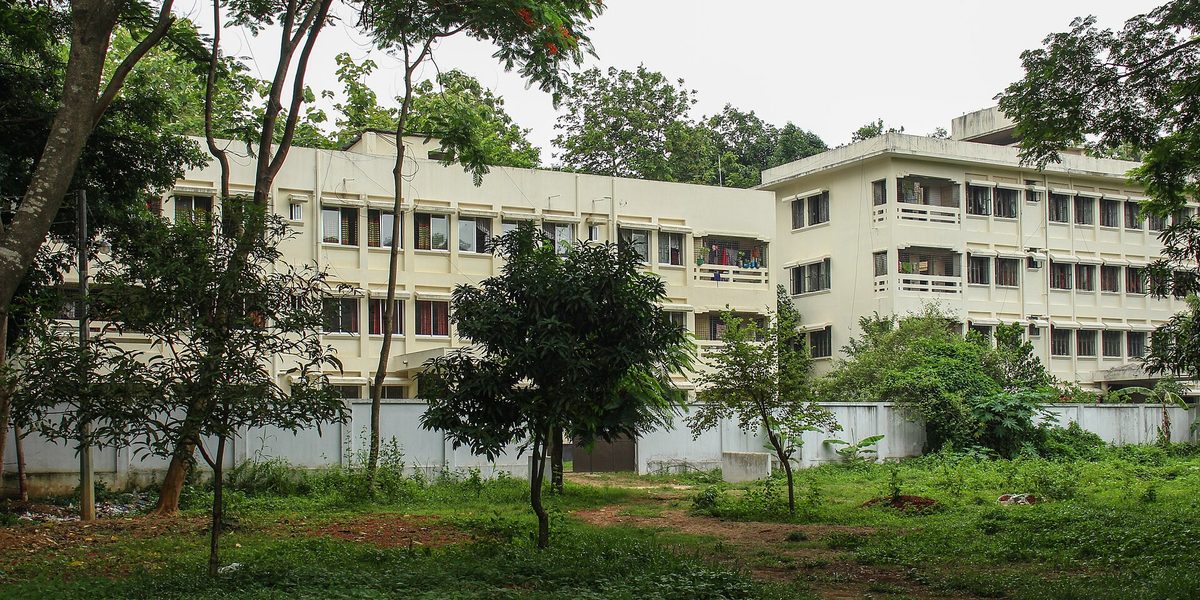
Every campus has quiet spaces that never appear on a map of study spots, and finding yours feels like discovering a secret. Departmental buildings often have lounges and alcoves used only by their own majors, and nobody checks. Upper floors of administrative or science buildings hold seating areas that empty out by late afternoon. Music buildings, museums, chapels, and galleries frequently have adjacent quiet seating. Student unions have odd corners behind and above the busy main floors.
Residence halls hide options too: study lounges on other floors, basement common rooms at midday, and reservable group rooms many residents forget exist. The discovery method is simple: on a free afternoon, wander buildings you have no classes in and note every chair, table, and empty nook. Three good finds will carry you through finals season while the library crowd fights over outlets.
Note the practical details while you scout: outlet locations, bathroom distance, noise at different hours, and when the building locks. A perfect nook that closes at six in the evening is a daytime spot, not a finals spot, and learning that in the calm weeks beats discovering it during exams. Keep the list somewhere visible, because under stress you will default to the crowded library unless the alternatives are written down.
Match the Space to the Task
Once you have a rotation, assign it deliberately. Deep, difficult work, like drafting a paper or learning new problem types, deserves your quietest, most distraction-proof location. Collaborative work wants classrooms or reservable group rooms where talking is legitimate. Low-intensity tasks, such as email, reading skims, and organizing notes, thrive in cafes and lively lounges. Memorization pairs well with movement: flashcards on a walking loop, or recitation in an empty classroom.
Time of day matters as much as place. Claim your hard-task location for your personal peak hours, whenever those are, and spend your low-energy hours in the forgiving spaces doing the forgiving tasks. A weekly pattern emerges quickly: certain spots on certain days for certain work. That pattern is the real productivity system, and it costs nothing.
Set Up Any Spot for Success
Wherever you land, a few habits make every location work better. Carry a small kit: charger, headphones, water, and a snack, so that logistics never end a good session early. Put your phone physically out of reach or in a bag pocket; out of sight genuinely is out of mind. Decide what you will accomplish before you sit down, because a space cannot focus you on a task you never defined.
And protect the association that makes a good spot powerful. If you catch yourself scrolling for twenty minutes, take the scrolling elsewhere and return when you are ready to work. Spots stay sacred only if you keep them sacred, and a campus full of well-chosen, well-defended study spaces is one of the quietest advantages a student can build.
Final Thoughts
The library will always be there, and during some weeks it is exactly right. But the students who study best usually hold a private map: an empty classroom with a whiteboard, a cafe with the good corner table, a bench that catches afternoon shade, and a forgotten lounge three buildings away. Build your own map early, match each spot to the work it suits, and rotate through them with intention. Your focus, your mood, and your finals-week sanity will all show the difference.