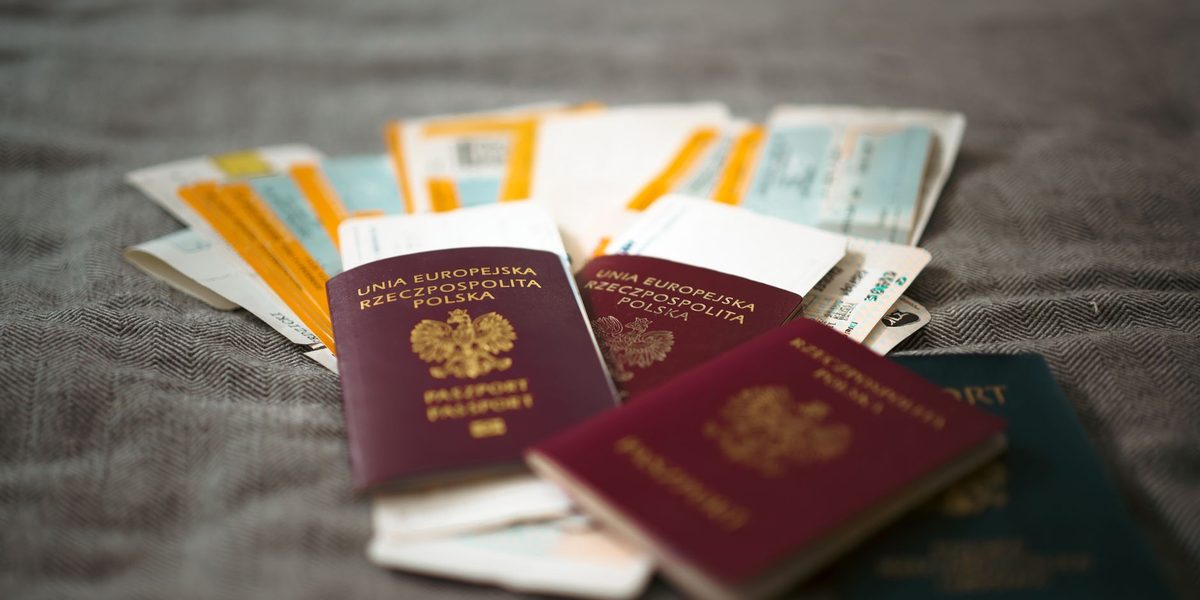
Almost every travel disaster story that begins at the airport check-in desk has the same root cause: a document problem that would have taken ten minutes to fix a month earlier. Travelers agonize over packing lists and itineraries, then treat paperwork as an afterthought, assuming a passport and a booking confirmation will carry them through. Usually they do. But the exceptions are brutal, ranging from denied boarding to being turned around at a border, and nearly all of them are preventable. This is the checklist of documents people actually forget, and how to handle each one before it matters.
Your Passport Needs More Than Being Unexpired
The most common and most devastating oversight is passport validity. Many countries require that your passport remain valid for six months beyond your arrival or departure date, and airlines enforce these rules at check-in, which means a technically unexpired passport can still get you denied boarding. Check the expiration date the day you start planning any international trip, not the week you leave, because renewals can take many weeks.
Condition matters too. Border officers can reject passports with significant water damage, torn pages, or a loosening cover, and some destinations require one or more completely blank pages for stamps. While you have the passport out, confirm the name on it matches every booking exactly; a nickname or a missing middle name that your airline printed differently can cause real friction. If you have had a name change, carry the supporting document that links the old and new names.
Visas and Entry Authorizations Hide in Plain Sight
Travelers remember visas for destinations famous for requiring them, then get caught by the quieter requirements. Many countries that feel visa-free actually require an electronic travel authorization that must be approved before boarding, and these systems are easy to miss because friends who traveled earlier may never have needed them. Check the official government entry requirements for every country on your itinerary, including ones you only transit through, since some airports require transit visas even if you never leave the terminal.
Apply early rather than from the airport line. Electronic authorizations are usually quick but not guaranteed to be instant, and traditional visas can take weeks and require your physical passport. Print or screenshot every approval, because you cannot count on airport wireless when an agent asks for proof. And verify the rules match your specific passport nationality, since requirements differ by citizenship, not by departure city.
Proof of Onward Travel and Funds
Here is the requirement that blindsides even experienced travelers: many countries can ask you to prove you intend to leave. A one-way ticket with vague plans to figure it out later can mean secondary questioning or denied boarding, because the airline is responsible for passengers refused entry. Carry evidence of your onward or return ticket where it can be shown in seconds, and if you genuinely are traveling open-ended, research how your destination treats that before you fly.
Some borders may also ask for proof of sufficient funds or of where you will be staying. A recent bank statement, a credit card, and printed confirmation of your first nights of lodging cover nearly every version of this question. You will probably never be asked. The entire point of this checklist is that probably is not a plan.
The Health and Insurance Papers Nobody Prints
Travel insurance only works if you can use it, and in a stressful moment you will not remember a policy number. Carry your insurer's emergency contact number and policy details both on paper and saved offline on your phone. Some destinations require proof of travel medical coverage at entry, so check whether yours does and have the certificate ready rather than buried in an email.
Health documents extend further than people expect. Some regions require proof of specific vaccinations, recorded in an official certificate, and will refuse entry without it depending on where you have previously traveled. If you carry prescription medication, keep it in original packaging and bring a copy of the prescription; some countries restrict medications that are routine at home, and a doctor's letter can be the difference between a two-minute inspection and a very bad day. For any questions about medications or vaccines, your own doctor or a travel health clinic is the right source, and they need lead time, so ask early.
Traveling With Children or Someone Else's Car
Minors generate document requirements that catch families by surprise. A child traveling with one parent, with grandparents, or with a friend's family may need a notarized consent letter from the absent parent or guardians, and some borders ask for the child's birth certificate to establish the relationship. Requirements vary by country and airline, so check both, and prepare the letter well ahead since notarization takes coordination.
Driving abroad has its own stack. Many countries require an International Driving Permit alongside your license, and rental companies may ask for it even where the law is lenient. If you plan to cross a border in a rental car, you often need written permission from the rental company. Bringing a car you do not own, even a family member's, can require a letter of authorization. None of these documents can be produced at the border; all of them are trivial to arrange from home.
Copies Are Your Escape Hatch
Every document on this list shares one fatal weakness: it can be lost or stolen. The insurance against that is redundancy, and it costs almost nothing.
- Paper copies of your passport photo page, visas, insurance, and key confirmations, packed separately from the originals.
- Digital copies saved offline on your phone, not just in email you may not be able to open abroad.
- Cloud copies accessible from any device, in case the phone disappears along with the wallet.
- Spare passport photos, which dramatically speed up an emergency passport replacement.
- A copy left at home with someone you trust, who can send anything you need.
If the worst happens, note where your country's nearest embassy or consulate is for each stop. Travelers with copies walk out of a consulate with emergency documents in a day or two; travelers without them spend their vacation proving they exist.
Do a Document Drill Before You Leave
A week before departure, run a simple rehearsal. Lay out every document this trip requires and physically check each one: passport validity and condition, visas and authorizations approved, names matching bookings, insurance details saved, consent letters signed, permits in hand, copies made and distributed. Then decide where each item lives during travel, ideally one consistent pouch or wallet that never changes pockets, so you can produce anything in seconds rather than excavating your bag at a counter.
Finally, check in online and confirm your documents pass the airline's own verification where offered. Problems discovered at home are errands; the same problems discovered at the airport are emergencies.
Final Thoughts
Travel documents are the least glamorous part of any trip and the only part that can end one instantly. The pattern across every forgotten item, from the six-month passport rule to the consent letter and the onward ticket, is identical: trivially easy to fix early, nearly impossible to fix at the gate. Run the checklist once when you book and once the week you leave, make your copies, and then forget about paperwork entirely, which is exactly the way a good trip should treat it.