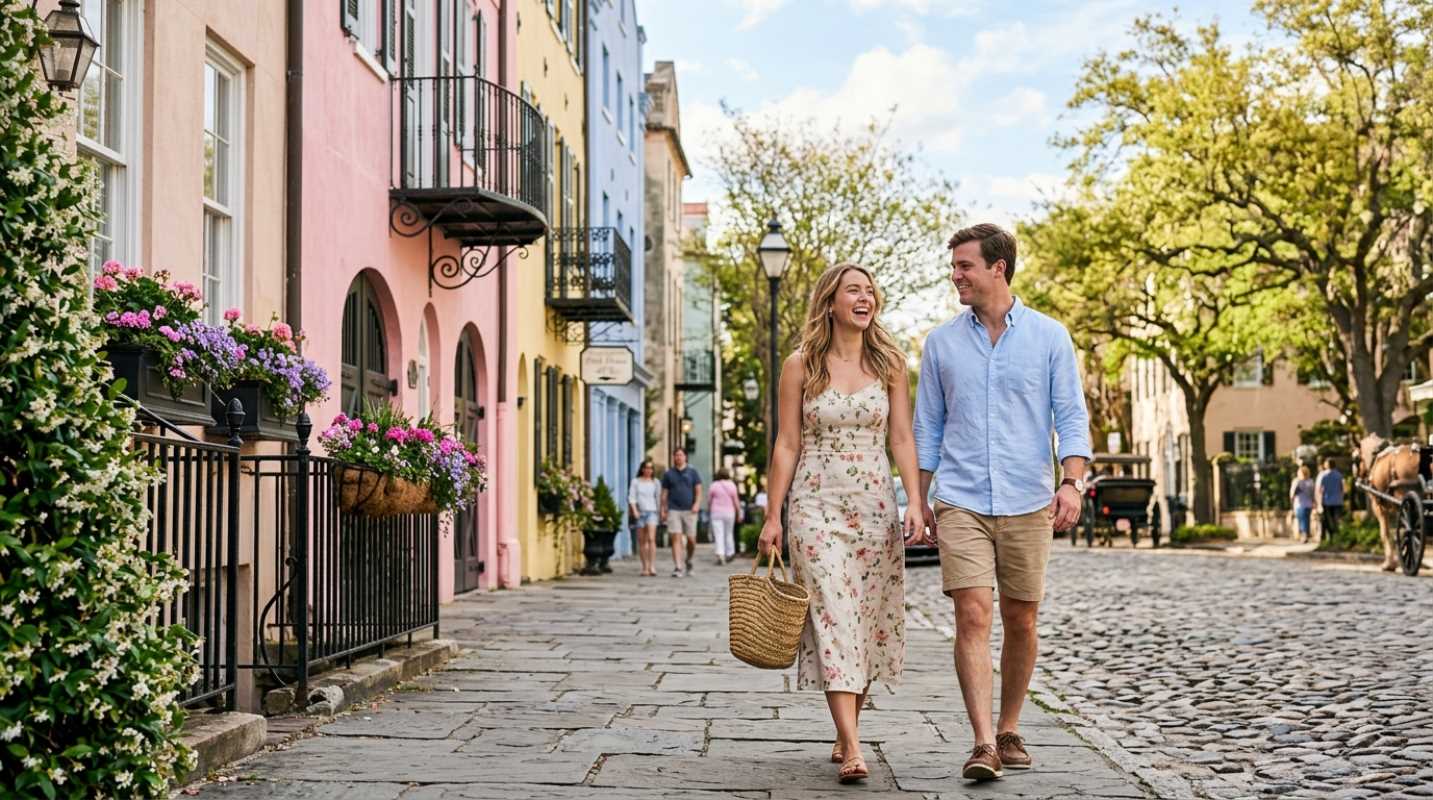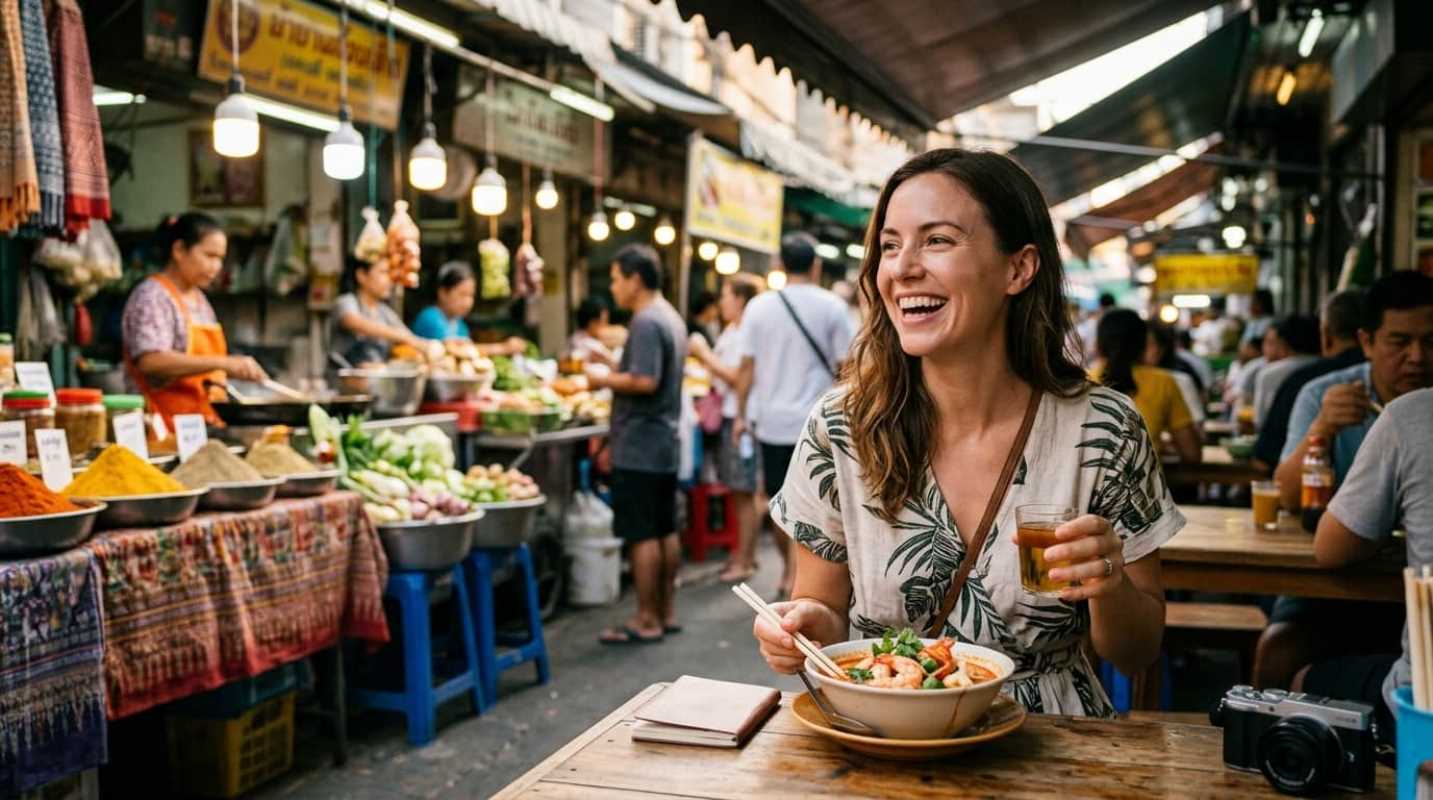
Have you ever booked a plane ticket simply because you saw a photo of a steaming bowl of noodles or a freshly torched pastry? You are not alone. Culinary travel has exploded over the past few years, transforming from a niche hobby into a major driver of global tourism. Market reports show the global culinary travel sector recently topped 1.09 trillion dollars, with travelers pouring a massive chunk of their vacation budgets directly into food and drink.¹
Remember when trip planning meant listing museums, historic monuments, and famous landmarks? That style of travel is fading fast. Today, more than three-quarters of global travelers build their entire vacation schedule around where they plan to eat. Food offers an unfiltered window into a destination's culture, history, and everyday rhythm. Eating local dishes gives you an instant connection to the people who call that place home.
Why Your Next Vacation Should Be About the Plate
Focusing your travel on food completely changes how you experience a new city. Instead of rushing from one tourist site to another with a camera, you find yourself sitting at neighborhood counters, chatting with shop owners, and wandering down quiet side streets in search of local spots.
When you travel with your appetite leading the way, every meal becomes a memory. You start noticing how geography and trade history shape what ends up on your plate. A simple seafood stew in South America tells a story about local ocean currents and indigenous farming. A fragrant curry in Southeast Asia reveals centuries of spice trade routes.
Planning a food-first trip does not mean you have to book impossible dining reservations every single night. It means approaching every meal with curiosity and treating local cuisine as the core experience of your journey.
Finding the Real Flavor in Food Markets and Street Stalls
If you want to know how a city actually eats, skip the hotel dining room and head straight to the central market. Food markets and street stalls are the beating heart of local food culture. These busy spaces are where families shop for dinner ingredients, and workers grab quick lunches.
Eating street food can feel intimidating if you are new to it, but a few simple habits will keep your stomach happy while you explore.
• Follow the local queues: A stall packed with local residents is your best indicator of fresh food and high quality. High turnover means ingredients do not sit around long.
• Watch the preparation: Pick stalls where cooked food gets prepared fresh right in front of you at high temperatures.
• Embrace shared tables: Sitting next to strangers at communal market tables is standard in many places. It is also a great way to see what others are eating and ask for local recommendations.
• Cash matters: Keep small bills and coins handy, as most street vendors do not take credit cards.
Hunting for Regional Signature Dishes
Every destination has a few standout dishes that locals take immense pride in preparing. Researching these regional specialties before you pack your bags helps you set a baseline for your trip.
The trick is learning how to separate real local heritage from tourist traps. Avoid restaurants with multi-language plastic menus, pushy street hosts, or huge menus offering fifty different items. Real culinary craftsmanship usually happens in smaller kitchens that specialize in doing just one or two dishes exceptionally well.
Consider these iconic food matches across the globe:
• Lima, Peru: Look for fresh ceviche made with local sea bass cured in bright citrus juice, served alongside sweet potato and giant corn kernels.
• Basque Country, Spain: Seek out the original gilda pintxo, a simple skewer holding a salted anchovy, a green guindilla pepper, and an olive dripping in local olive oil.
• Oaxaca, Mexico: Search for traditional mole negro, a rich sauce built from dozens of ingredients including toasted chiles, local chocolate, and ground herbs.
Cooking Classes and Local Food Tours
Tasting a great dish at a restaurant is wonderful, but learning how to prepare it yourself takes your travel experience to a completely different level. Joining a small-group cooking class or a walking food tour bridges the gap between eating food and understanding the craft behind it.
A good local food tour helps you handle hidden alleyways and neighborhood spots you would likely miss on your own. You get to sample bite-sized portions from several vendors while a local guide explains the history behind each stop.
When booking a cooking class, look for hands-on workshops that start with a morning walk through a neighborhood market. Sourcing fresh produce alongside a local chef teaches you how to pick ingredients and introduces you to native spices you might not recognize back home. Plus, you return from your vacation with actual cooking skills instead of just another souvenir t-shirt.
The Top 5 Culinary Destinations to Visit
If you are looking for destinations where food takes center stage, these five spots stand out for their incredible food culture and rich culinary traditions.
• Lima, Peru: Peru continues to dominate global food conversations. Home to Maido, which earned the top spot on the World's 50 Best Restaurants list, Lima is an absolute powerhouse for dining.² You can experience high-end Nikkei tasting menus that combine Japanese techniques with Peruvian ingredients, or simply enjoy fresh ceviche at a neighborhood marisquería.
• San Sebastián, Spain: Located in the Basque region, this city holds one of the highest concentrations of Michelin stars per capita. Beyond high-end dining, the city is world-famous for its pintxo bars. You can spend your evenings moving from bar to bar in the Old Town, sampling tiny gourmet snacks paired with crisp local white wine.
• Oaxaca, Mexico: Although Mexico City gets plenty of attention, Oaxaca remains the soulful capital of Mexican home cooking. Known as the land of seven moles, Oaxaca offers incredible street food like crispy tlayudas alongside artisanal mezcal tastings at family-run distilleries in the surrounding valleys.
• Tokyo, Japan: Tokyo holds more dining accolades than almost any other city on the planet. Whether you want an exclusive sushi omakase experience or a bowl of rich pork-bone ramen in a narrow alleyway, the level of dedication to culinary creation in Tokyo is unmatched.
• Bangkok, Thailand: From floating market boats serving boat noodles to late-night tuk-tuk street food runs, Bangkok is an energetic paradise for food lovers. Spicy papaya salads, coconut curries, and aromatic soups dominate every corner of this bustling metropolis.
Bringing the Flavors Home
The best thing about culinary travel is that it stays with you long after your luggage is unpacked and your tan fades. The meals you eat on the road broaden your palate and change how you approach cooking in your own kitchen.
You will find yourself visiting ethnic grocery stores back home, trying to recreate that perfect curry or searching for the specific dried chiles you fell in love with abroad. Traveling with a focus on food reminds us that no matter where we go, sharing a great meal is the universal language that brings people together.
So pick a destination, clear your schedule, and book that trip. Your taste buds will thank you.
Sources:
1. Culinary Tourism Market Overview
https://www.therooftopguide.com/features/culinary-tourism-market-2025.html
2. Culinary Tourism Market Size & Trends
https://www.researchandmarkets.com/report/culinary-tourism
3. World's 50 Best Restaurants Awards
https://www.restaurantnews.com/maido-lima-is-named-no-1-in-the-list-of-the-worlds-50-best-restaurants-2025-062025/