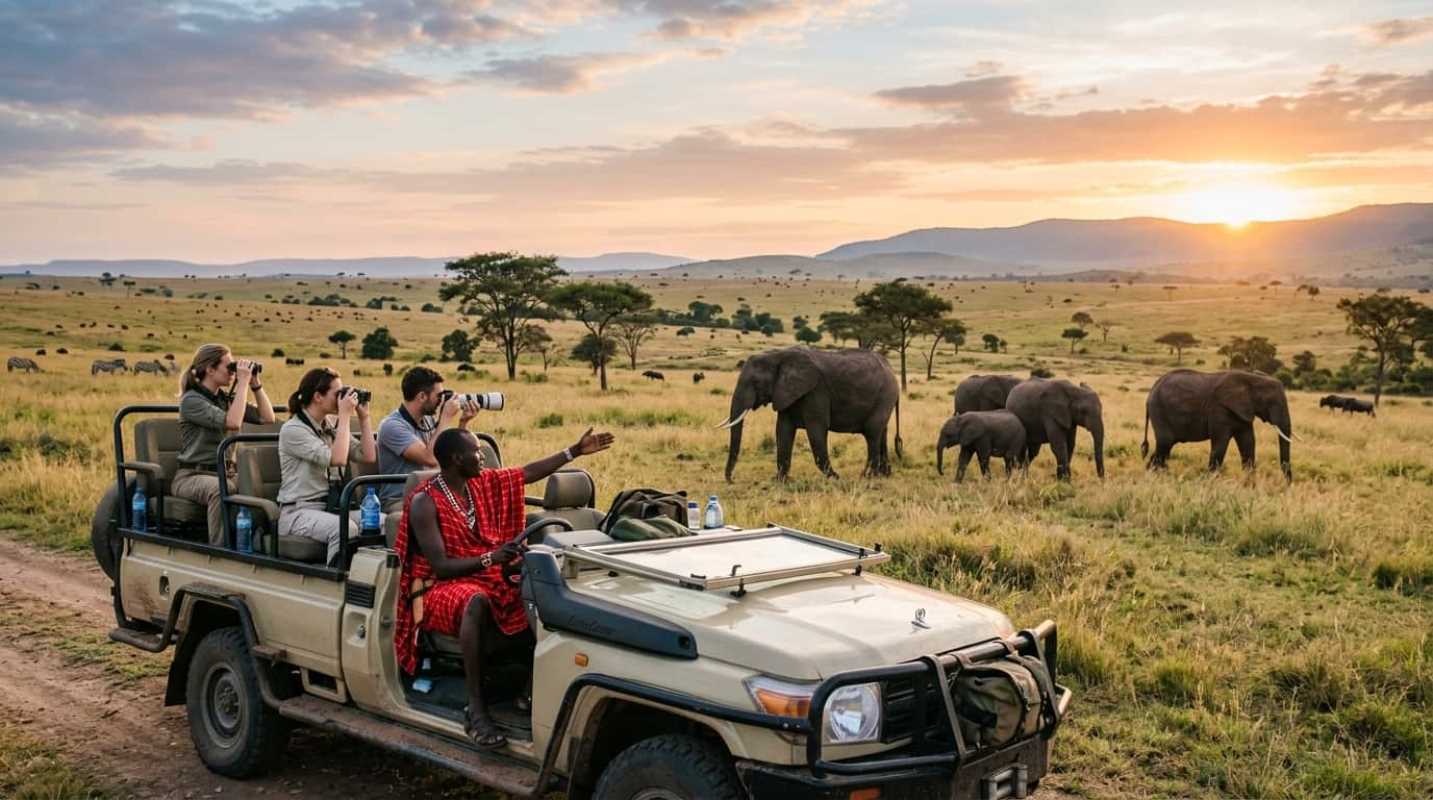
Have you ever sat in an open 4x4, engine cut, watching a herd of wild elephants drift past in total silence? If you have, you know the feeling. It grabs you right in the chest. But the way we experience these moments is changing fast. We are moving away from old-school sightseeing where travelers just snap photos and move on. Today, eco-tourism is a movement. The global ecotourism market sits at nearly $280 billion, and it keeps growing as more of us rethink how we explore the planet.¹
A massive 84 percent of global travelers now say that traveling sustainably is important to them.¹ Meanwhile, 66 percent actively look for authentic experiences that directly support local communities and native cultures.¹ We do not just want a vacation anymore. We want our travel dollars to do real work for habitat conservation.
Mastering Responsible Wildlife Viewing
So how do you actually practice ethical wildlife viewing when you get out into the field? It starts with giving animals the space they need to forage, rest, and raise their young without human interference.
Guide teams rely on a simple trick called the Rule of Thumb. Hold your arm out straight and put your thumb up over your target animal. If you cannot completely cover the animal with your thumb, you are too close.
Here are the distance standards you should expect on a responsible safari.
• Apex Predators: Keep a minimum distance of 100 yards from big cats, bears, and wolves.
• Large Herbivores: Stay at least 25 to 50 yards away from elephants, rhinos, and bison.
• Primate Treks: Maintain a strict 7-meter (23 feet) distance from gorillas or chimpanzees, and wear a face mask to prevent passing human respiratory bugs to primates.
• Marine Encounters: Boats must remain at least 100 yards away from whales and dolphins, while swimmers should keep 50 feet back from resting marine mammals.
Ethical viewing also means keeping crowd sizes down. Responsible conservancies enforce strict vehicle caps, allowing a maximum of three to five vehicles per sighting with set viewing times. Guides shut off diesel engines or switch to quiet electric drive modes so wildlife stays relaxed.
Watch out for operators offering artificial shortcuts, too. World Animal Protection warns that many travel companies make big sustainability claims while still supporting questionable animal entertainment.³ Avoid any tour that promises selfie photos with lion cubs, elephant rides, or forced contact. If a guide uses food bait or recorded bird calls to flush out wildlife, walk away.
Guided vs Independent Safaris: Making the Right Choice
You might wonder whether you should rent a vehicle and self-drive through a national park or hire a certified local guide. Although self-driving sounds flexible, going independent brings serious logistical and ecological challenges.
Navigating wild terrain on your own can lead to accidental off-roading, wrong turns, and ruined wildlife sightings. Worse, an inexperienced driver can easily corner an animal or misread warning signs, causing unnecessary stress for the wildlife and danger for the vehicle passengers.
Local expert guides bring years of ecological knowledge to your trip. They notice subtle behavioral cues, like a flicking tail, pinned ears, or a sudden pause in feeding, long before an untrained eye notices a problem. They know when an animal feels crowded and when it is time to back off. Hiring an expert guide gives you superior wildlife tracking, higher safety, and a far deeper understanding of how the surrounding ecosystem works.
Supporting Local Communities Through Tourism
Protecting wildlife only succeeds when the people living next door to wild habitats benefit directly from tourism. When local residents earn a sustainable living from eco-tourism, they have a strong incentive to protect habitats and report illegal poaching.
Shannon Guihan, Chief Sustainability Officer at The Travel Corporation, puts it plainly: "Tourism has the potential to be a powerful force for conservation when it supports local communities and protects natural habitats. When communities benefit economically from safeguarding wildlife, it creates long-term incentives for conservation."
Instead of state-owned parks bordered by boundary fences, the industry is shifting toward community-led conservancies. Under this model, Indigenous landholders lease their land to safari lodges while retaining full ownership. You can actively look for lodges that prove over 70 percent of your bed-night fees stay right inside host communities.
Your dollars directly pay for local guide salaries, finance local schools, and build K9 anti-poaching units. It turns a standard holiday into an economic driver for rural villages.
Planning Your Sustainable Adventure
Ready to plan your trip? Creating a conservation-focused itinerary takes a bit of a smart approach.
First, think about your destination choices. Oversaturated travel routes like the Central Serengeti can get overcrowded during peak seasons. Try exploring lesser-known regions such as Damaraland in Namibia, Laikipia in Kenya, or the Pantanal in Brazil. Botswana remains a stellar option as well. Its focus on high-value, low-density travel saw its safari inquiry share jump from 7 percent up to 12 percent recently.²
Second, look for trips that integrate active rewilding and community science. Some modern safaris let guests help set up camera traps or upload wildlife photos to global research tracking apps. Projects like African Parks' Rhino Rewild initiative are actively relocating over 2,000 white rhinos back into protected wild areas across Africa over a 10-year timeline. Choosing parks involved in these efforts directly funds species translocations.
Before you pack your bags, take these steps to prepare your gear:
• Bring refillable water bottles and purification systems to cut out single-use plastics entirely.
• Pack reef-safe sunscreens and non-toxic toiletries that will not contaminate delicate groundwater.
• Turn off automatic location geotagging on your mobile device before taking photos of vulnerable species like rhinos or pangolins.
When you step out into the wild, remember that every choice you make leaves a mark. By booking with ethical guides, respecting natural animal boundaries, and directing your money toward local communities, you leave a positive footprint that protects these places for years to come.
Sources:
1. Radical Storage
https://radicalstorage.com/travel/ecotourism-statistics/
2. Go2Africa
https://www.go2africa.com/african-travel-blog/state-of-safari-2025
3. World Animal Protection
https://www.worldanimalprotection.org/our-campaigns/wildlife/commercial-exploitation/travel-tourism/the-real-responsible-traveller/