 (Image via
The American South, a region often associated with sprawling cities, sweet tea, and a pace of life that ambles rather than sprints, is quietly undergoing a green revolution. Beyond the neon glow of Nashville and the historic grandeur of Charleston, a new kind of travel experience is taking root. This is a journey focused not just on seeing the South, but on preserving it. Low-impact travel, sometimes called sustainable or ecotourism, is about making choices that respect the environment, support local communities, and offer a deeper, more authentic connection to a place. It’s about trading crowded theme parks for quiet trails and chain restaurants for farm-to-table diners where the owner knows the farmer by name.
This shift is about more than just recycling your hotel water bottle; it’s a mindset. It involves seeking out destinations that are actively working to protect their natural and cultural heritage. In the South, this means exploring pristine coastlines, wandering through ancient forests, and discovering small towns that have retained their unique character. These emerging hubs of low-impact travel prove that you can have a memorable vacation without leaving a heavy footprint. It’s a chance to slow down, breathe in the pine-scented air, and appreciate the subtle beauty that defines this storied region.
The appeal of this travel style is its authenticity. Instead of a curated, one-size-fits-all experience, you get something real and unpolished. You might find yourself kayaking through a blackwater river, listening to stories from a local Gullah Geechee guide, or dining on seafood caught just hours before it landed on your plate. This approach invites you to become a temporary local rather than a passive observer. It's an invitation to engage with the South on its own terms, fostering a connection that lingers long after you’ve returned home.
The destinations leading this charge are often found off the beaten path. They are places that have recognized their most valuable assets are not man-made attractions but the delicate ecosystems and rich histories they steward. By choosing to visit these spots, travelers contribute directly to their conservation. Your tourism dollars help fund park maintenance, support local artisans, and empower communities to resist development that would compromise their identity. It’s a powerful way to vote with your wallet for the kind of world you want to see.
Ultimately, low-impact travel in the South is about finding harmony between exploration and responsibility. It’s about recognizing that the rustle of leaves in a national forest can be just as thrilling as a rollercoaster, and that a conversation with a small-town shopkeeper can be more enlightening than any museum plaque. As more travelers seek meaning and connection, these emerging destinations offer a refreshing alternative, proving that the most profound adventures are often the ones that tread lightly on the earth.
The Allure of The Unspoiled Coast
The Southern coastline is legendary, but for every crowded beach, there’s a hidden stretch of sand where nature still holds sway. These are the places where sea oats anchor the dunes and shorebirds far outnumber the sunbathers. One such gem is Georgia's Cumberland Island National Seashore. Reachable only by ferry, the island is a sanctuary of maritime forests, undeveloped beaches, and feral horses that roam freely, descendants of those brought by settlers centuries ago. Visiting here is a step back in time, a powerful reminder of what the coast looked like before condos and high-rises.
The magic of a low-impact coastal trip lies in its simplicity. The main attractions are the natural rhythms of the environment: the ebb and flow of the tide, the spectacular sunsets over the marsh, and the nightly chorus of cicadas and frogs. Activities are inherently gentle on the land. Think kayaking through serene tidal creeks, birdwatching in protected estuaries, or simply walking along a deserted beach, collecting shells. These experiences don't require infrastructure or electricity; they only require your presence and respect.
Supporting the local economy is a cornerstone of this travel style. This means choosing small, locally-owned inns or guesthouses over large hotel chains. It means eating at seafood shacks where the daily catch is posted on a chalkboard, ensuring your money circulates within the community you’re visiting. In places like Apalachicola, Florida, a town that has fiercely protected its fishing heritage and historic character, this choice is easy. The town’s identity is built around its world-famous oysters and the health of the bay they grow in, linking tourism directly to environmental stewardship.
Conservation efforts are often front and center in these coastal havens. Many offer opportunities for visitors to get involved, whether through guided eco-tours that fund wildlife rehabilitation or volunteer programs focused on beach cleanups and habitat restoration. The Dauphin Island Sea Lab in Alabama, for instance, provides educational experiences that illuminate the complexities of the marine ecosystem. Engaging with these initiatives transforms a simple vacation into a purposeful one, allowing you to leave the place a little better than you found it.
Ultimately, the appeal of the unspoiled coast is its wildness. It’s a place to disconnect from the digital world and reconnect with something more elemental. By choosing destinations that prioritize preservation over development, you are not only rewarding their foresight but also ensuring that these precious landscapes will endure for future generations. It’s a testament to the idea that the greatest luxury is not manufactured, but found in the raw, untamed beauty of the natural world.
Mountain Hollows And Appalachian Trails
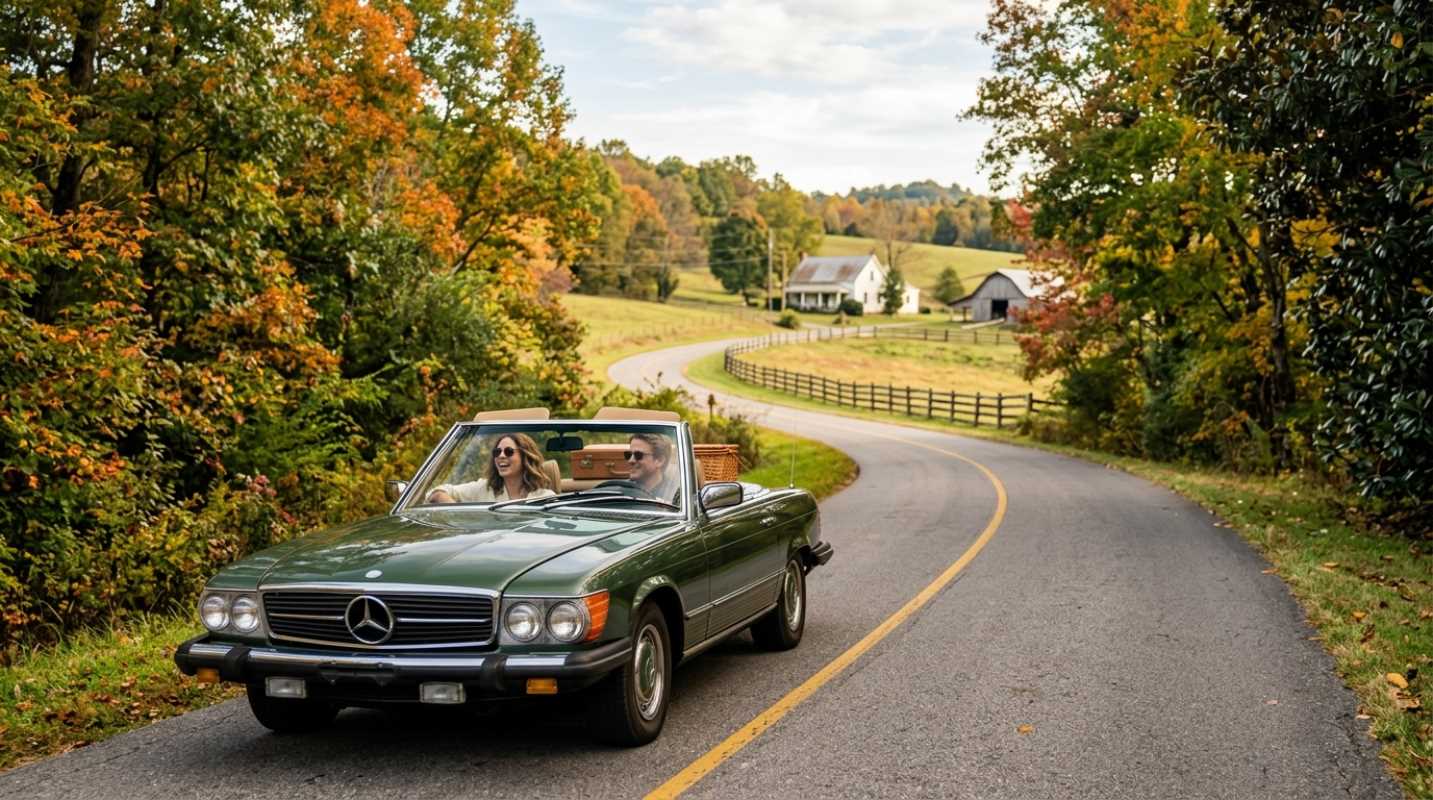
The Appalachian Mountains, a rugged spine running through the heart of the South, have always been a refuge for those seeking solitude and a slower pace. Today, the small towns nestled in their valleys are becoming hotspots for low-impact tourism. Places like Damascus, Virginia, known as "Trail Town, USA," serve as hubs for hikers, cyclists, and nature lovers drawn to the region's immense beauty. Here, the economy is intrinsically linked to the health of the surrounding forests and the Appalachian Trail that cuts right through its downtown.
Life in these mountain towns moves at a different speed. The focus is on appreciating the outdoors and the tight-knit community. Your days might be spent hiking a section of the trail, fly-fishing in a clear mountain stream, or exploring the vibrant local arts scene. The evenings are for gathering at a local brewery or listening to an impromptu bluegrass jam session on a shop porch. This is not a vacation of passive consumption but one of active participation in a culture that deeply values its natural surroundings and heritage.
Sustainable practices are often a way of life here, born from a historical necessity of self-reliance. This ethos is now embraced by a new generation of entrepreneurs. You'll find farm-to-table restaurants that source nearly all their ingredients from within a few miles and general stores stocked with goods from local artisans. By supporting these businesses, you are helping to sustain a way of life that is both traditional and forward-thinking. This economic model ensures that the benefits of tourism are distributed locally, strengthening the community's resilience and its ability to protect its resources.
To truly embrace the low-impact spirit of the Appalachians, it helps to be mindful of your own practices. The principles are simple but effective, ensuring you contribute positively to the area.
- Stick to marked trails to prevent erosion and protect delicate plant life.
- Pack out everything you pack in, leaving no trace of your visit.
- Use refillable water bottles and reusable bags to minimize waste.
- Conserve water and electricity in your accommodations.
- Purchase locally made crafts and foods to support the regional economy.
- Learn about the local history and ecology to deepen your appreciation.
These mountain communities offer a profound lesson in sustainability. They demonstrate that a thriving economy does not have to come at the expense of the environment. Instead, they show that by protecting and celebrating their natural and cultural assets, they can create a more durable and meaningful form of prosperity. For the traveler, a visit to these Appalachian hollows is an opportunity to experience this symbiosis firsthand, finding rejuvenation not in luxury, but in the simple, profound beauty of the mountains and the people who call them home.
The Heart of The Rural Heartland
Away from the mountains and the sea, the rural heartland of the South offers its own unique brand of low-impact travel. This is a landscape of rolling farmland, slow-moving rivers, and small towns where life revolves around the courthouse square. It’s a part of the South that is often overlooked by tourists, yet it holds some of the region's most authentic experiences. Places like The Shoals in Alabama or the Mississippi Delta are rich with a history, music, and culture that can’t be replicated. Here, low-impact travel means immersing yourself in the local culture and supporting the communities that are its keepers.
The experience in the heartland is deeply human. It's about front-porch conversations, live music in a dimly lit juke joint, and meals that taste like they came from a grandmother's kitchen. Agritourism is a growing part of this landscape, with farms opening their doors to visitors for tours, workshops, and even overnight stays. You might spend a day learning to make cheese, picking your own fruit, or simply understanding the connection between the land and the food on your plate. These experiences foster a profound appreciation for the hard work and dedication that sustains rural life.
This form of travel directly confronts the economic challenges many of these areas face. By choosing to spend your time and money here, you are contributing to the revitalization of towns that have seen populations decline. Your visit can support a historic theater’s restoration, help a family farm stay in business for another generation, or allow a local musician to make a living sharing their art. It transforms tourism from a transactional exchange into a form of mutual support and cultural preservation.
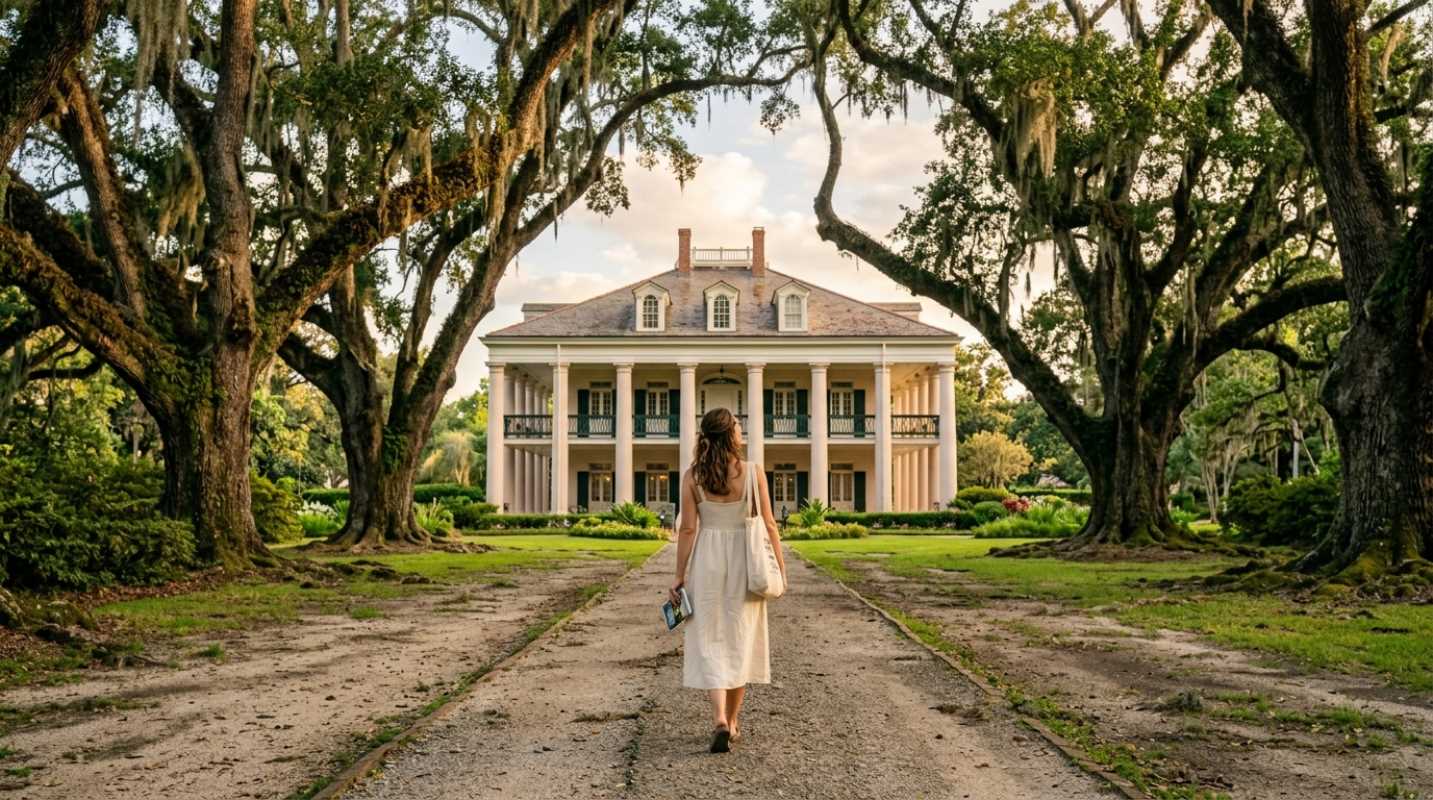
Exploring the rural South also requires a sense of curiosity and an open mind. The attractions are not always obvious. The beauty is in the details: the architecture of a pre-war home, the stories of a local historian, the taste of a perfectly fried piece of chicken. It means taking the time to read the historical markers, visit the small, quirky museums, and strike up conversations with the people you meet. This is slow travel in its purest form, where the journey itself, and the connections made along the way, are the destination.
Visiting the South's heartland is a journey into its soul. It's a chance to see beyond the stereotypes and connect with the resilient, creative, and welcoming communities that define the region. It’s a powerful reminder that the most memorable travel experiences are often found far from the tourist trail, in the quiet corners where life is lived with authenticity and grace. By exploring these places thoughtfully, you become part of their story, helping to ensure that their unique cultural heritage continues to thrive.
Rivers, Swamps, And the Bayou Life
The waterways of the South, its languid rivers, mysterious swamps, and sprawling bayous, are ecosystems teeming with life and lore. These wetlands are some of the most biodiverse and ecologically important areas in the country, and they are emerging as premier destinations for low-impact exploration. Regions like Louisiana's Atchafalaya Basin, the largest river swamp in the United States, or the ACE Basin in South Carolina offer an immersive experience into a world that feels both prehistoric and profoundly beautiful. Here, the primary mode of transportation is a kayak, canoe, or a quiet, flat-bottomed boat.
Exploring these wetlands is an exercise in observation and patience. The reward is a close-up view of a world hidden from most. You might see an alligator sunning itself on a log, a great blue heron stalking its prey in the shallows, or a symphony of turtles lined up on a branch. The soundtrack is a mix of bird calls, buzzing insects, and the gentle splash of your paddle. Guided eco-tours, often led by naturalists or local Cajuns whose families have lived on the bayou for generations, provide invaluable insight into the delicate balance of this environment and the culture it has spawned.
Sustainable tourism is critical for the preservation of these fragile ecosystems. The best tour operators follow strict ethical guidelines, such as keeping a safe distance from wildlife and using quiet motors (or no motors at all) to minimize disturbance. They also play a crucial role in education, teaching visitors about the importance of the wetlands as a buffer against storms, a nursery for seafood, and a filter for our water. By choosing a reputable guide, you are supporting a business model that prioritizes the health of the environment over a quick thrill.
The cultural component of bayou life is inseparable from the natural landscape. In Louisiana, a visit to the wetlands is incomplete without experiencing Cajun and Creole culture. This means trying gumbo from a roadside diner, listening to Zydeco music, and learning about the history of the people who have made their lives in this challenging yet bountiful environment. Many small communities on the edges of these swamps rely on tourism to sustain their unique traditions, from boat building to crawfish farming.
Visiting the South's wetlands is a truly humbling experience. It instills a deep respect for the power and complexity of nature and the resilience of the cultures that have adapted to it. It’s a journey that challenges your perceptions and rewards you with a sense of wonder. As these areas face threats from development and climate change, low-impact tourism provides a vital economic incentive for their protection. It allows these wild, beautiful places to be appreciated for what they are, ensuring the call of the bayou can be heard for generations to come.