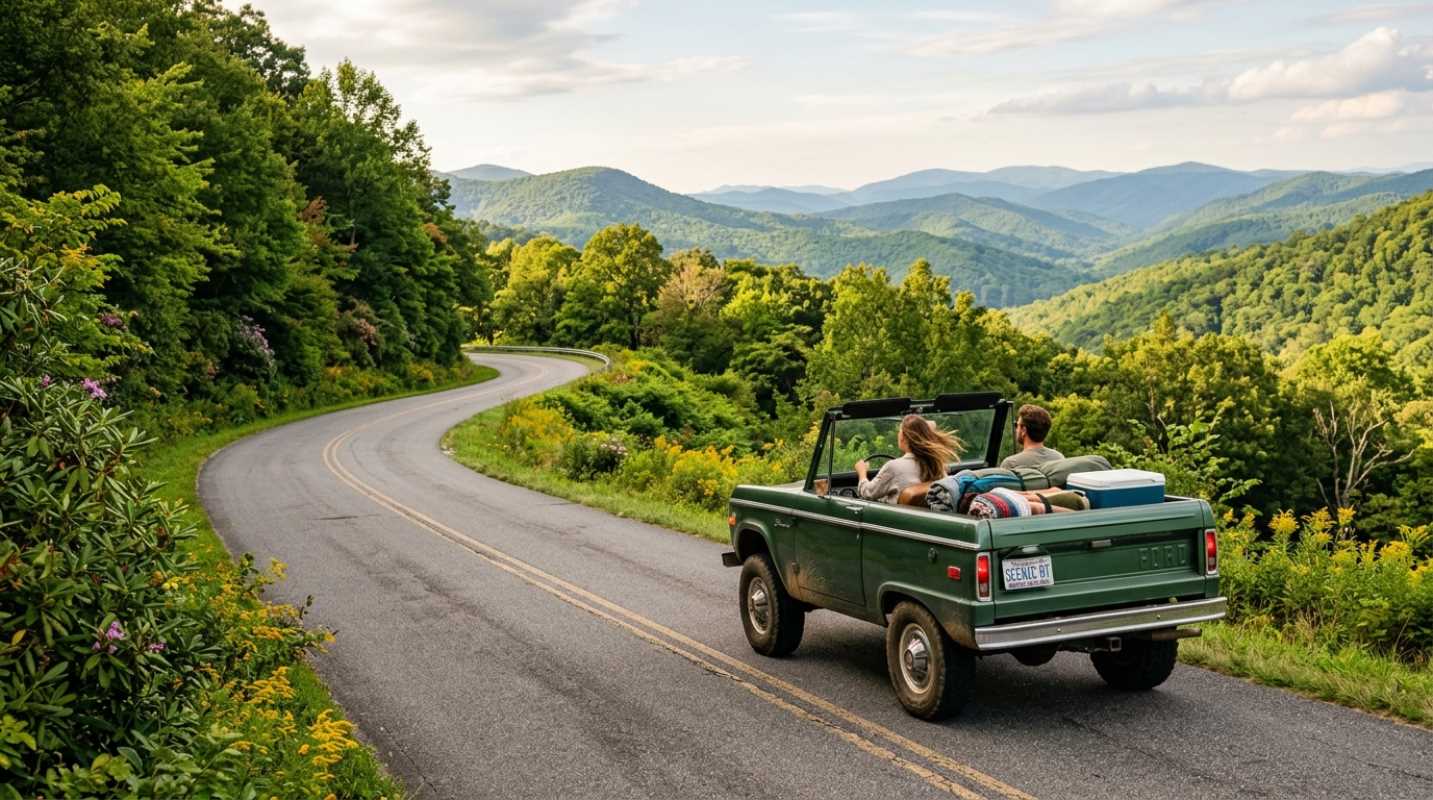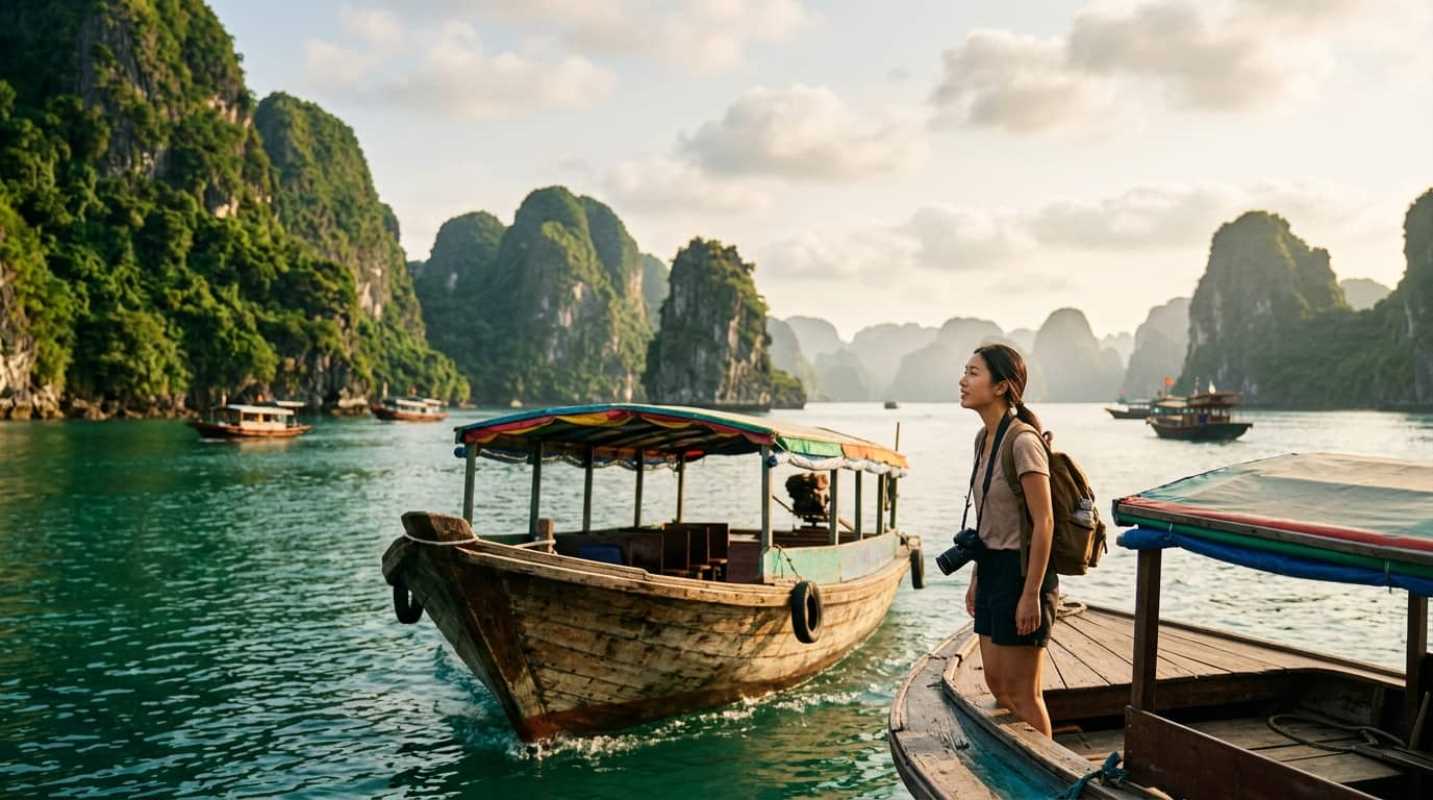
Have you ever found yourself staring at your laptop screen, dreaming of swapping your morning commute for a crisp morning in the misty mountains of Vietnam or a sunset over the Andaman Sea? You are definitely not alone. Southeast Asia continues to draw millions of travelers every year, and for good reason. It offers an unbeatable combination of easy logistics, rich local traditions, wild tropical nature, and budget-friendly living.
Recent travel data shows the region welcomed around 139.4 million international arrivals,¹ generating $374 billion for local economies.² Travel across these countries has shifted in exciting ways. It is no longer about rushing through six countries in three weeks just to cross them off a list. Backpackers and curious travelers are choosing slow, intentional journeys that directly support the communities they visit.
Whether you are planning your first big solo trip or returning to explore new corners, right now is an incredible time to make the journey.
Stepping Through History and Iconic Cultural Sites
Walking through the ancient stone gates of Angkor Wat in Cambodia feels like stepping straight into another era. The massive scale of the architecture takes your breath away the moment you cross the causeway. Across the water in Indonesia, the giant stone terraces of Borobudur offer a similar sense of wonder, built over a thousand years ago as a massive Buddhist monument surrounded by lush green valley views.
These places are far more than beautiful photo backdrops. They are living spiritual centers that hold deep meaning for the people who live near them.
How do you explore these historic places while staying respectful? It comes down to a few basic habits.
• Dress modestly: Cover your shoulders and knees before entering temple grounds, even on hot afternoons.
• Hire local guides: Paying a resident guide gives you real historical context while keeping your money directly in the neighborhood.
• Mind the quiet: Keep your voice down around active prayer areas and respect signs restricting photography.
Immersing Yourself in Tropical Natural Environments
If you love the outdoors, this region gives you an incredible choice of places to explore. You can ride a motorbike through the high mountain passes of the Ha Giang Loop in northern Vietnam, explore the underground river caves of Phong Nha-Kẻ Bàng National Park, or trek through the thick rainforests of Borneo.
If you want to avoid heavy crowds, look beyond popular vacation hubs like Bali. Places like Kuta Lombok, the islands of Flores, and East Java offer spectacular scenery without bumper-to-bumper traffic. In East Java, waking up before dawn to see the volcanic peak of Mount Bromo or the blue sulfur flames of Mount Ijen gives you a raw look at nature's power.
Protecting these delicate habitats is easier than ever. Younger travelers are driving this change, with 85% indicating that eco-friendly practices play a key role in how they choose destinations.³ You can support this effort by picking tours that focus on real wildlife protection. Like, Elephant Hills near Khao Sok National Park in Thailand runs on solar energy, funds local community projects, and completely bans elephant riding.
Understanding the Region and Budget Backpacking Routes
Getting around used to mean endless hours stuck on bumpy night buses or constantly booking cheap regional flights. Today, low-carbon overland travel is replacing short flights, helping travelers save money while keeping carbon footprints lower.
Take Laos as an example. The Lao-China Railway connects the capital of Vientiane to the heritage town of Luang Prabang in roughly two hours for around $26 to $33 USD. That exact same trip used to take over eight exhausting hours on winding mountain roads. Night trains across Thailand and Vietnam offer another great option, giving you a comfortable ride while saving you a night of hostel costs.
Budget eco-hostels have also expanded rapidly across major transit routes, proving that sustainable travel does not have to break the bank.
• The Yard Hostel (Bangkok, Thailand): Built using recycled shipping containers with solar panels and zero-waste composting, with dorm beds averaging $12 to $25 per night.
• Lub d (Siem Reap, Cambodia): A solar-powered property near ancient temples with a strict zero single-use plastic rule, offering dorm beds starting around $12 per night.
• The Simple Hostel (Chiang Mai, Thailand): Features an on-site organic garden and zero-waste kitchen composting, with dorm beds starting at roughly $9 per night.
Culinary Adventures and Eating Your Way Through the Region
Food is the real heart of travel across Southeast Asia. Street food stalls are not just quick stopping points for dinner; they are community living rooms where family recipes pass down through generations.
You can sit on a tiny plastic stool in Hanoi sipping hot soup, grab fresh Pad Thai cooked over open flames in Bangkok, or try rich curry laksa at a hawker center in Penang. The flavors are bold, complex, and astonishingly affordable.
To eat well while keeping your stomach happy, follow a few simple tips:
• Look for long lines: High turnover means ingredients move fast and dishes are cooked fresh to order.
• Watch it cook: Pick stalls where you can watch your meal prepared right in front of you over high heat.
• Ditch single-use plastic water bottles: Bring a refillable insulated bottle and use local filtration stations like the RefillMyBottle network found across regional hostels and cafes.
Creating Your Own Southeast Asian Legacy
The most memorable trips are rarely the ones where you check off every single monument on a tourist map. They are the moments when you slow down, stay an extra few days in a quiet riverside town like Kampot in Cambodia or Nong Khiaw in Laos, and get to know local shopkeepers and boat drivers.
By taking trains instead of flights, staying at eco-friendly hostels, and spending your money with local family businesses, your journey leaves a direct positive impact on the places you visit. Pack your bag light, leave plenty of room in your schedule for unplanned detours, and get ready for an adventure that stays with you long after you return home.
Sources:
1. SEA Tourism Performance Recap
https://the-outbox.com/sea-tourism-performance-2025-recap/
2. Things to Know: Tourism and Travel in Southeast Asia
https://seads.adb.org/articles/12-things-know-tourism-and-travel-southeast-asia
3. Sustainable Tourism Continues to Grow
https://www.pwc.com/id/en/media-centre/infrastructure-news/april-2025/sustainable-tourism-continues-to-grow.html