Barrier islands are among the strangest and loveliest landscapes a traveler can reach by car or ferry: long ribbons of sand that shield the mainland from the open sea, forever being reshaped by wind and tide. For part of each year, they host one of nature's great quiet dramas. Female sea turtles haul themselves ashore by night to bury their eggs above the tide line, and weeks later, hatchlings erupt from the sand and scramble for the surf under the stars. Witnessing any piece of that cycle, even just the tracks at dawn, turns an ordinary beach trip into something people remember for the rest of their lives. Here is how to plan an island visit around turtle season, and how to be the kind of guest the turtles need you to be.
What Makes Barrier Islands Different
A barrier island is not just a beach; it is a whole miniature world arranged in strips. The ocean side offers wide sand and surf. Behind it rise the dunes, held together by deep-rooted grasses. Behind those, many islands hide maritime forests of wind-sculpted oaks and pines, and finally salt marshes face the calm water between island and mainland. Crossing from surf to marsh can take ten minutes on foot and pass through four distinct ecosystems, each with its own light, smell, and wildlife.
Because these islands are dynamic, built and rebuilt by storms, they tend to feel wilder than mainland coasts. Many are protected as seashores, refuges, or state parks, with long roadless stretches where the only footprints at dawn are yours and those of whatever crossed the beach overnight. That wildness is exactly why sea turtles still nest there, and why travelers who love unmanicured places fall hard for them.
Understand the Rhythm of Nesting Season
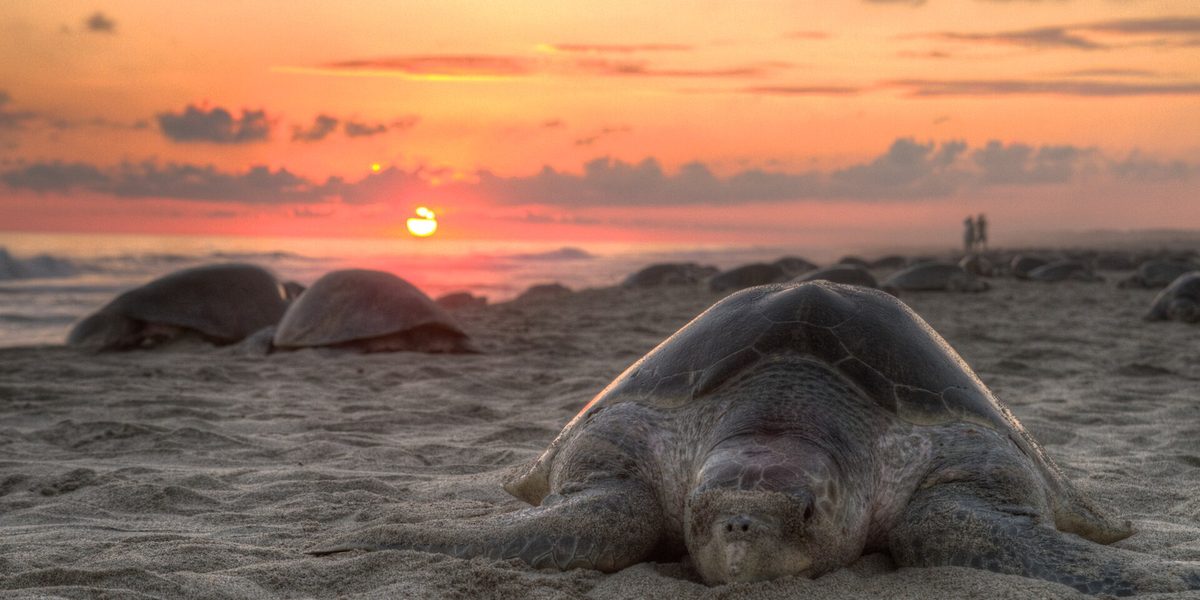
Sea turtle season unfolds in two acts spread across the warm months. In the first, adult females emerge from the surf at night, crawl above the high-tide line, dig a deep chamber with their rear flippers, deposit a clutch of eggs, disguise the site, and return to the sea, all in an hour or two of astonishing effort. In the second act, roughly two months later, the hatchlings boil up out of the sand, usually at night, and sprint for the brightest horizon, which on a natural beach is the moonlit sea.
Travelers rarely stumble onto either event unaided, and that is by design, since nesting beaches are monitored and protected. What you will see, with only a dawn walk, are the unmistakable tracks: wide, tractor-like crawls leading from the water to a disturbed patch of sand and back. Conservation teams patrol at first light to find and mark new nests, and watching them work is itself a highlight. Plan a trip in the heart of the season and the evidence of turtles will be all around you, even when the turtles themselves stay hidden.
See Turtles the Right Way
The only responsible way to watch a nesting turtle is through an organized program. Many turtle beaches host guided night walks led by trained, permitted staff who know how to position a small group so the turtle is never disturbed, typically approaching only after she has settled into laying, when she enters a trance-like focus. These walks are unforgettable and often inexpensive, and they fill up, so book early in your planning.
- Join a permitted walk or watch rather than searching on your own at night.
- Never shine lights on the beach after dark, including phone screens and camera flashes, since white light can send a nesting female back to sea and lure hatchlings inland to their deaths.
- Keep your distance from tracks and marked nests, and never dig, touch, or probe.
- If you encounter hatchlings, stand still, stay dark, let them crawl on their own, and alert the local patrol.
The rules all flow from one fact: turtles navigate by light and are easily fatally confused by ours. Follow the guides' instructions exactly, and you earn a front-row seat to something few people ever witness.
Practice Lights-Out Hospitality
On a nesting island, every visitor is part of the conservation effort whether they signed up or not. Beachfront lights are the biggest human threat to hatchlings, so turtle-season etiquette starts at your rental or hotel room: close the blinds after dark if you face the beach, turn off balcony and porch lights, and use only turtle-safe lighting where provided. Many islands enforce lights-out rules through the season, and the darkness is a gift to you as well, since these beaches offer some of the best stargazing on the coast.
Daytime habits matter just as much. Fill in any holes dug on the beach and knock down sandcastles before you leave, because both can trap hatchlings and nesting females. Pack out trash, which attracts the raccoons and gulls that raid nests, and remove chairs, tents, and toys from the beach overnight, as they become obstacles on the turtles' runway. None of this costs anything, and together it measurably improves how many hatchlings make the water.
Build Island Days Around the Edges of Light
Turtle season rewards travelers who live by the island's schedule rather than their own. Dawn is the magic hour, when the beach records the night's traffic in tracks, crabs retreat with the shadows, and the patrol vehicles make their slow sweep. Walk early, before the day erases the evidence. Midday, when the sand bakes, is for the island's shaded interior, like the maritime forest trails, the marsh boardwalks, and the sound-side paddling, where herons and fiddler crabs run their own economies.
Late afternoon brings the shelling, swimming, and long low light, and evening is for the night programs, the stargazing, and, if you are lucky and booked, the turtle walk itself. Ferries and causeways often empty the islands of day visitors by dinner, and staying overnight, whether camping behind the dunes or sleeping in a small island inn, means you get the island at its two best and emptiest hours.
Pack and Plan for Sand Country
Barrier islands are gloriously inconvenient, and packing well keeps them glorious. Shade is scarce on the beach side, so bring real sun protection: hats, cover-ups, reef-friendly sunscreen, and more water than seems reasonable. Insects rule the marsh side at dusk in the warm months, and repellent is not optional. Soft sand eats footwear, so sandals that strap on beat flip-flops, and a dry bag protects phones on ferries and paddles.
Services on wilder islands range from limited to nonexistent, so arrive with a full tank, cash for small operators, groceries if you are staying somewhere with a kitchen, and downloaded maps, since signal fades fast behind the dunes. Check ferry schedules and any beach-driving or permit rules before you go. The inconvenience is the filter that keeps these places quiet; pack past it and you are rewarded with the uncrowded coast almost nobody believes still exists.
Final Thoughts
A barrier island in turtle season offers something modern travel almost never does: the sense of being a guest in a story much older than tourism. Come during the nesting months, walk at dawn, book the guided night walk, and keep your lights dark and your holes filled. The islands will give you wild beaches, marsh sunsets, and star-thick skies, and if your timing is kind, a glimpse of an ancient mariner keeping an appointment her kind has kept for millions of years. Travel gently enough, and you become a small part of why she can keep it.