There is a specific kind of sleep you only get within earshot of the ocean. The surf settles into a rhythm, the air carries salt, and the usual campground soundtrack of crickets and rustling leaves is replaced by something older and bigger. Coastal camping delivers that experience at a price almost anyone can afford, but it asks something in return: sand in your shoes, wind in your tent lines, and a little planning most inland campers never have to think about. For travelers willing to make that trade, a night on the coast becomes the trip everyone talks about for years. Here is how to choose the right stretch of shoreline and camp it well.
Why the Coast Beats the Campground Loop
Ordinary campgrounds offer trees and quiet, and there is nothing wrong with that. Coastal sites offer a show. The light changes constantly as fog rolls in and burns off, tides redraw the beach twice a day, and sunrise or sunset happens over open water instead of behind a ridge. Wildlife viewing improves dramatically too, with shorebirds working the tide line at dawn, crabs scuttling through the wrack, and, on lucky evenings, dolphins or seals offshore.
The coast also keeps children and restless adults entertained in a way few forests can. Tide pools, shell hunting, sandcastle engineering, and simply wading all happen steps from the tent, which means less driving between activities and more unstructured time, the thing camping is supposedly about in the first place.
Know the Flavors of Coastal Camping
Coastline is not one landscape but several, and the camping experience changes with each. Picking the style that matches your group matters more than picking the most photographed beach.
- Developed shoreline campgrounds sit just behind the dunes with marked sites, water, and restrooms, ideal for families and first-timers.
- Dune and barrier island camping puts you on open sand with big sky and big wind, beautiful but exposed, and often reached by boat or four-wheel-drive.
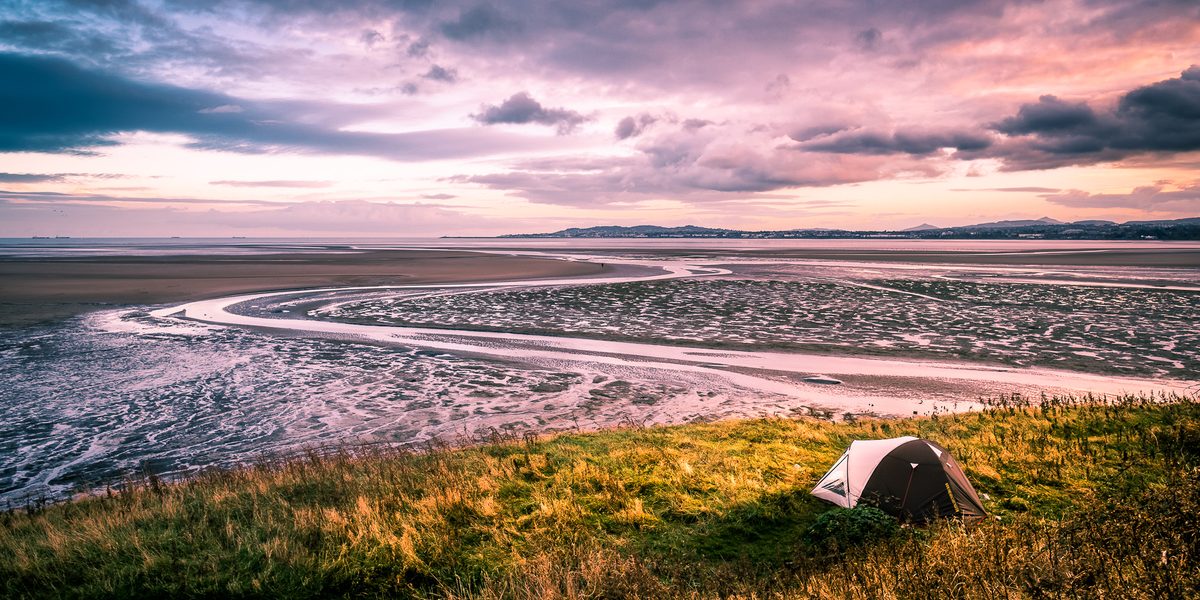
- Bluff and headland sites trade direct beach access for sweeping views and better drainage, with a path down to the water.
- Cove and estuary camping offers calmer water, warmer swimming, and shelter from wind, at the cost of the dramatic open-ocean feel.
- Walk-in and paddle-in sites reward the effort of carrying gear with near-private stretches of shore.
If your group includes small children or anyone nervous about surf, a cove or estuary site is usually the happiest choice. Confident campers chasing solitude should look at walk-in sites on less famous stretches of coast, where a half-mile carry filters out the crowds.
Respect the Wind Before Anything Else
Inland campers think about rain; coastal campers think about wind. Onshore breezes build through the afternoon almost everywhere, and an exposed beach site that felt calm at noon can be snapping tent fabric by dinner. Choose a tent with a low profile and a full set of guy-out points, and actually use them. Standard stakes pull straight out of loose sand, so bring sand stakes, or learn the deadman trick: bury a filled stuff sack or a piece of driftwood with the guyline tied around it, and let the weight of the sand hold everything.
Orient the tent with its narrow end into the prevailing wind and pitch behind any natural shelter you can find, a dune, a rock outcrop, a band of shrubs, while staying on durable ground. Never pitch on top of dune vegetation, which anchors the whole beach system and takes years to recover. A simple windbreak rigged from a tarp turns a blustery kitchen into a comfortable one and keeps sand out of the cookpot, mostly.
Read the Tides Like a Local
The single most important skill in coastal camping is knowing where the water will be at three in the morning. Check a tide table for your exact stretch of coast before you pitch, and find the high-tide line on the beach itself: the ragged ribbon of seaweed, shells, and driftwood marks how far the sea recently reached. Camp well above it, then add margin, because tides vary in height through the month and storm swell can push water far beyond the usual line.
Tides shape your days as much as your nights. Low tide is the golden window for tide pooling, long beach walks, and rounding headlands that are impassable at high water. Plan hikes around the tide table and never let a rising tide get between you and your exit, a genuinely dangerous mistake on cliff-backed beaches. Give the water the respect it asks for, and it will organize your trip beautifully.
Win the War Against Sand
You will not keep sand out of a beach camp. You can, however, decide where it accumulates. Establish a shoes-off rule at the tent door and keep a small brush or towel there for feet and gear. A cheap doormat or a scrap of outdoor rug outside the entrance captures a shocking amount of grit. Keep sleeping bags stuffed until bedtime, store clothes in zippered bags, and shake everything out downwind, a direction your tentmates will help you remember.
Fine dry sand cleans off skin far more easily than wet sand, so let feet dry before brushing them. Sprinkling a little powder on sandy skin makes the grains fall away almost magically, a trick worth teaching kids on day one. Protect what matters most: cameras and phones live in sealed bags when not in use, and zippers on tents and packs get gentle treatment and an occasional rinse, since salt and grit together are what actually destroy gear.
Cook, Store, and Clean Up Thoughtfully
Coastal cooking comes with its own etiquette. Wind demands a sheltered stove spot and more fuel than you would burn inland, since breezes steal heat constantly. If fires are permitted, build them below the high-tide line where the sea will erase the scar, keep them modest, and drown them completely before bed, as embers hide in sand far longer than people expect.
Food storage matters even without bears. Gulls, raccoons, foxes, and crabs patrol beach camps with professional dedication, and an unattended cooler or snack bag rarely survives a sunset walk. Keep food sealed and stowed, pack out every scrap including the biodegradable ones, and leave the beach cleaner than you found it. Tide lines collect the world's litter; a camper who carries out one extra bag of it leaves a genuinely better beach behind.
Time Your Trip for the Coast You Want
The same beach offers completely different trips through the year. High summer brings warm water and crowded campgrounds, with reservations often required well in advance. The shoulder seasons offer the best trade for most campers: thinner crowds, comfortable days, dramatic skies, and cold nights that make the campfire and the sleeping bag feel earned. Storm-season camping on a protected site rewards hardy travelers with furious surf and empty beaches, provided they bring serious gear and humility about the forecast.
Whatever the season, arrive with time to set camp in daylight. Finding the high-tide line, burying sand anchors, and rigging a windbreak are easy chores at five in the evening and miserable ones by headlamp. The ocean is a magnificent neighbor and an unforgiving one, and it rewards campers who settle in before dark.
Final Thoughts
Coastal camping asks more of you than a drive-in forest loop: more planning, more wind, and yes, more sand in places sand has no business being. In exchange it offers mornings where you unzip the tent to open water, days structured by tides instead of clocks, and nights of surf-soundtracked sleep that no machine can imitate. Pick the style of coast that fits your group, camp high and anchor low, and accept the sand as the modest price of admission. It brushes off. The memories do not.