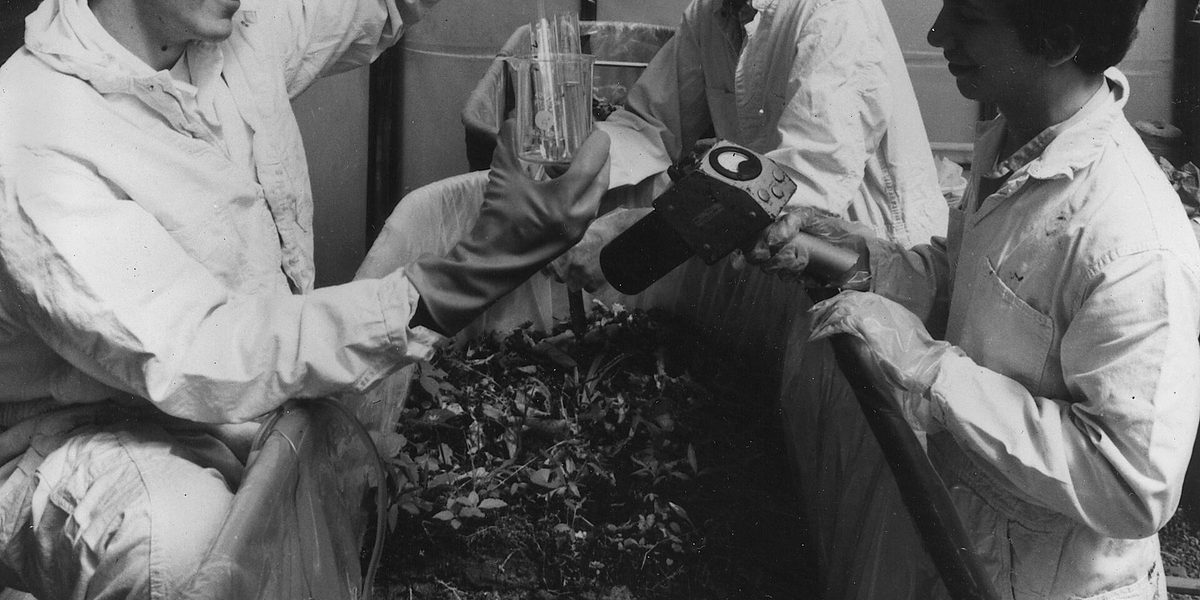
Research is one of the best-kept open secrets of undergraduate life. Students often assume that working in a lab or on a scholarly project is reserved for graduate students or a handful of geniuses, so they never ask. In reality, professors across every discipline, from biology and engineering to history, psychology, and economics, regularly welcome undergraduates who show genuine curiosity and reliability. Getting involved early can transform your education, sharpen your goals, and open doors to jobs and graduate programs. The hard part is simply knowing where to look and how to ask.
Understand What Undergraduate Research Actually Looks Like
Forget the stereotype of a lone student making a breakthrough discovery. Most undergraduate research starts small: cleaning and organizing data, running routine lab procedures, coding survey responses, digitizing archival documents, or maintaining equipment. These tasks are the entry fee, and they matter, because they teach you how real scholarship works while proving you are dependable.
Research also is not confined to the sciences. Humanities professors need help with archives, translations, and manuscript preparation. Social scientists need interviewers and data analysts. Business faculty study markets and organizations. Arts faculty run creative and curatorial projects. Whatever your major, someone on your campus is producing new knowledge in it, and most of them could use another careful pair of hands.
Start With the People Who Already Know You
The easiest door into research is a professor whose class you have taken. They have seen your work, your attendance, and your questions, which removes most of the risk of taking you on. Visit office hours and say plainly that you are interested in getting involved in research and ask whether they have openings or know colleagues who do. Professors talk to each other constantly; even a no often comes with a referral.
Teaching assistants and academic advisors are also valuable scouts. Graduate students know which labs are growing, which professors mentor undergraduates well, and which projects need help. Advisors often maintain lists of faculty seeking students. Treat every one of these conversations as a lead, and follow each lead within a few days while it is fresh.
Use the Formal Channels Most Students Ignore
Nearly every campus has official infrastructure for undergraduate research that goes underused. Look for an office of undergraduate research, which may run matching programs, postings, and funding. Departmental websites list faculty with short descriptions of their work; reading a professor's recent project summaries before reaching out instantly separates you from students who send generic messages.
- Check for structured programs that pair students with mentors for a semester or a summer.
- Look for research-based courses that award credit for working on a faculty project.
- Watch department newsletters and bulletin boards, where openings are often posted first.
- Ask about paid assistant positions through work-study or departmental budgets.
Summer programs deserve special attention, both on your own campus and at other institutions. Many offer stipends and housing, and they concentrate months of experience into a single intensive stretch, which is especially valuable if your school year is already packed.
Write a Cold Email That Gets Answered
Eventually you will contact a professor who has never met you, and the email matters. Faculty receive many vague messages that say little beyond wanting experience. Yours should be short, specific, and easy to say yes to. Three brief paragraphs are enough: who you are, why their work specifically interests you, and what you are asking for.
- Use a clear subject line, such as your name followed by interest in undergraduate research in their group.
- Mention one concrete thing about their work that caught your attention, in your own words.
- State your year, major, relevant coursework or skills, and the hours you can commit.
- Ask for a short meeting rather than an immediate position, and attach a simple resume.
Send messages one professor at a time, personalize each, and wait about a week before a polite follow-up. Silence is common and rarely personal; professors drown in email. Persistence across several thoughtful attempts is normal and expected.
Make Yourself an Easy Yes
Professors invest significant time training undergraduates, so they look for signals that the investment will pay off. Reliability outranks brilliance. Showing up on time, meeting small deadlines, and communicating early when something goes wrong are the traits that turn a trial arrangement into a lasting role. Enthusiasm matters too: students who read the background material without being asked and bring questions to meetings stand out immediately.
Skills help, but they are learnable. If a field you care about uses particular software, statistics, or lab techniques, start picking up basics through campus workshops or free tutorials and say so in your outreach. Even modest preparation signals seriousness. And be realistic about hours; promising ten hours a week and delivering four damages your reputation, while promising five and delivering five builds it.
Turn a Position Into a Real Experience
Once you are in, treat the first semester as an apprenticeship. Do the unglamorous tasks well, ask how your piece fits the larger project, and attend group meetings even when the material is over your head. Understanding grows fast through exposure. Keep a notebook of what you do and learn; it becomes gold when you later write applications or describe your experience in interviews.
As you prove yourself, ask for more. Express interest in a small question of your own, volunteer to help prepare a presentation, or ask whether you could contribute to a poster session. Many campuses host undergraduate research symposiums that give students a first taste of presenting. Over time, strong undergraduates earn co-authorship, conference travel, and the kind of detailed recommendation letters that generic classroom relationships can never produce.
Do Not Let Setbacks End the Search
You will likely hear some version of no, whether silence, full labs, or a requirement to finish a prerequisite first. None of it is a verdict on your potential. Ask what would make you a stronger candidate later, take the suggested course, and return next term. Timing drives much of this: funding cycles, graduating assistants, and new grants open spots unpredictably, and the student who politely stays on a professor's radar is often the first call when a spot appears.
If your campus options are truly thin, widen the net. Nearby universities, teaching hospitals, museums, government offices, and research-driven companies sometimes host student volunteers or interns. Experience gathered anywhere strengthens the next application everywhere.
Keep your academic footing steady while you search, too. Grades in the introductory courses of your intended field function as a quiet credential, because they are often the only evidence a professor has about how you handle the material. You do not need a flawless record, but solid performance in the relevant classes, paired with visible enthusiasm, answers the question every mentor silently asks: will this student follow through? If a rough semester is already behind you, address it head-on in conversations rather than hoping no one notices, and point to the trend since. Professors respect trajectory, and a student who recovered and kept asking reads as exactly the kind of person worth training.
Final Thoughts
Undergraduate research rewards initiative more than pedigree. The students who end up in labs, archives, and field sites are rarely the ones with perfect grades; they are the ones who asked, followed up, and showed up. Start with professors who know you, use the formal programs your tuition already funds, write short specific emails, and be the dependable person every project needs. Begin earlier than feels comfortable, accept the humble first tasks, and let the experience compound. A single yes in your second year can shape everything that comes after it.