The desert Southwest does not look like anywhere else on Earth, and it does not feel like it either. This is a landscape of exposed time, where rivers have sliced mile-deep canyons through layered stone, where arches and hoodoos stand like sculpture against impossibly blue sky, and where human history runs from ancient cliff dwellings to adobe plazas still alive with music and chile smoke. A first trip to the region can feel overwhelming simply because there is so much of it. This guide gathers the essential highlights, region by region, along with the practical wisdom that desert travel demands.
The Grand Canyon and the Arizona Classics
Every Southwest itinerary eventually reckons with the Grand Canyon, and it should. No photograph prepares you for the scale, the silence, or the way the light rearranges the entire scene from hour to hour. Spend at least one sunset and one sunrise on the rim, and walk a short way along the rim trail to escape the densest crowds.
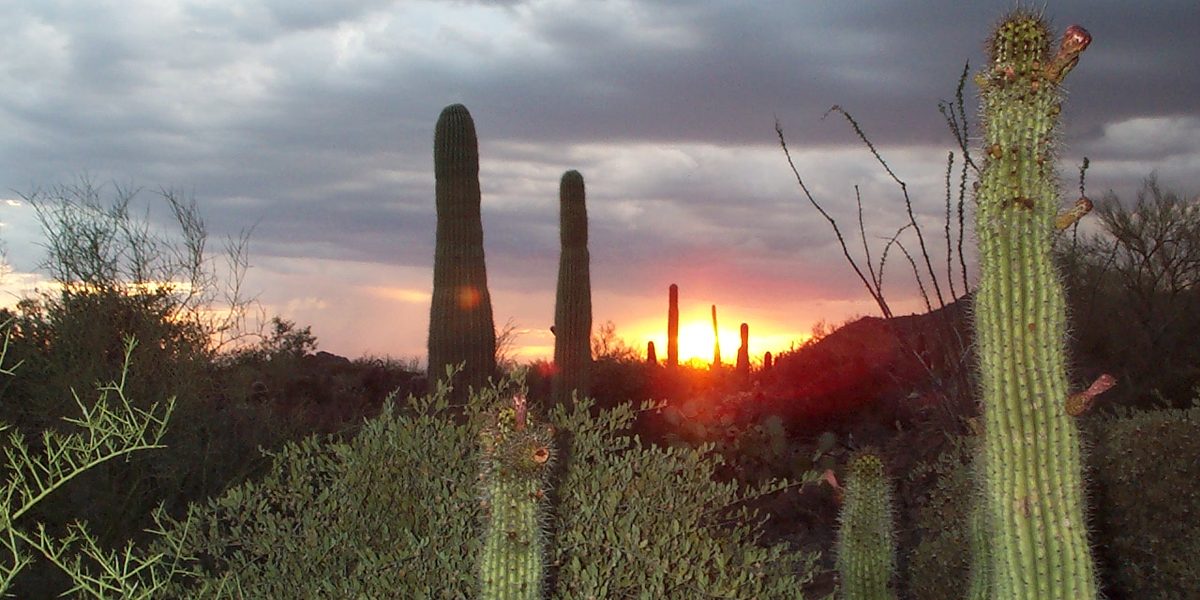
Arizona's deserts hold far more than its great chasm. To the south, forests of giant saguaro cactus flank a city famous for its Mexican food and mountain-ringed sunsets. To the north, red rock country rises around a town set among crimson buttes, where easy trails wind to natural viewpoints and the scenery begins in the parking lots. Between them, old mining towns cling to hillsides and offer quirky galleries, haunted hotels, and long views.
Utah's Red Rock Wonderland
Southern Utah concentrates more otherworldly scenery per mile than perhaps anywhere on the continent, anchored by five celebrated national parks. One park offers a canyon floor walk beneath two-thousand-foot walls; another holds the world's greatest collection of natural stone arches; a third fills a vast amphitheater with orange spires that glow at dawn like lit candles.
The connective tissue between the parks is just as memorable, with scenic highways crossing slickrock domes, river canyons, and high plateaus. Build driving time generously here, not because distances are extreme but because you will stop constantly. If you have to choose, pair two parks with the byways between them rather than sprinting through all five.
New Mexico: Culture in the High Desert
New Mexico adds a human dimension that pure scenery cannot supply. Its capital city, one of the oldest in the country, wraps adobe architecture, world-class galleries, and legendary green chile cooking around a centuries-old plaza. To the north, a historic pueblo community has been continuously inhabited for many centuries, and guided visits offer a respectful window into living tradition.
The state's landscapes hold their own surprises: dunes of white gypsum sand that stay cool underfoot, vast caverns echoing beneath the desert, and high plains where pronghorn graze against distant mountains. Autumn brings golden cottonwoods along the rivers and the scent of roasting chile across every town.
Slot Canyons, Arches, and Natural Sculpture
Some of the Southwest's most photographed wonders are intimate rather than vast. Slot canyons, carved by flash floods into sinuous corridors of banded sandstone, narrow to shoulder width while their walls rise a hundred feet overhead, glowing orange and violet in reflected light. Many of the most famous require guides or permits, which protects both the canyons and visitors from the real danger of flash flooding, so book ahead and heed weather closures without complaint.
Elsewhere, natural bridges span canyon streams, balanced rocks defy sense, and wind-carved waves of petrified dune invite careful wandering. These smaller wonders reward slow travel and often sit minutes from roads that most visitors speed along.
Ancient Dwellings and Deep History
Long before the parks, the Southwest was home to sophisticated cultures whose architecture still stands in canyon alcoves and on mesa tops. At the great cliff dwelling sites, stone villages tucked beneath sandstone overhangs have survived for roughly a thousand years, and ranger-led tours let you climb ladders into rooms where families once lived.
Other sites preserve great houses aligned to the sun and moon, petroglyph panels pecked into desert varnish, and trade roads older than memory. Visiting these places respectfully, staying on paths and leaving every artifact untouched, connects a Southwest trip to a human story as impressive as the geology.
Desert Skies, Day and Night
The Southwest's most underrated attraction costs nothing and appears nightly. Dry air and distance from big-city lights make the region one of the best places in the country for stargazing, and many parks hold official dark-sky status with ranger-led astronomy evenings. On a moonless night, the Milky Way casts shadows, and meteor showers feel like private performances.
The daytime sky performs too. Summer afternoons build towering monsoon thunderheads that march across the desert trailing curtains of rain and rainbows, and sunset routinely sets the whole horizon on fire. Plan at least one evening with nothing scheduled except watching the sky do its work.
Building a Realistic Itinerary
The classic beginner's mistake in the Southwest is trying to see everything in one loop. Distances on the map deceive, since the roads bend around canyons and plateaus, and every mile tempts you to stop. A better approach is to choose one anchor region for a week: the Grand Canyon with the red rock country of northern Arizona, Utah's park corridor, or New Mexico's cultural triangle of city, mountains, and pueblos.
Within that region, alternate big days with small ones. Follow a long canyon hike with a morning in a gallery town, or a dawn photography outing with an afternoon by the lodge pool. Book park lodging and guided slot canyon tours well in advance for the busy seasons, but leave at least one full day unplanned. In the Southwest, the unplanned day has a way of becoming the one you talk about afterward, whether it is spent chasing a thunderstorm's rainbow, lingering at a roadside trading post, or following a dirt road to an overlook that no itinerary mentioned.
Desert Travel, Done Safely
The desert is welcoming to prepared travelers and unforgiving to casual ones, so a few rules deserve respect on every trip.
- Carry more water than seems reasonable, at least a gallon per person per day in warm months, and drink before you feel thirsty.
- Hike early or late and rest through midday heat, which is also when the light is least beautiful anyway.
- Never enter a slot canyon when storms threaten anywhere upstream, even under blue skies overhead.
- Keep your fuel tank above half, download offline maps, and tell someone your route, since services and cell signal vanish for long stretches.
- Pack layers, because desert nights turn cold fast, and high-elevation parks can be chilly in any season.
- Give wildlife and cactus alike a respectful distance, and stay on established trails to protect fragile desert crusts.
Spring and fall are the kindest seasons for most of the region, offering warm days and crisp nights. Winter brings snow-dusted red rock, a photographer's dream, while high-country parks make even summer workable if you plan around the heat.
Final Thoughts
The desert Southwest rearranges your sense of scale, in both space and time. In a single trip you can stand above a canyon carved over millions of years, walk through a village built a millennium ago, squeeze through a slot canyon shaped by last decade's floods, and watch tonight's stars spill across a black sky. Start with the classics, leave room for the empty roads between them, carry plenty of water, and accept in advance that one trip will not be enough. Nobody visits the Southwest once.