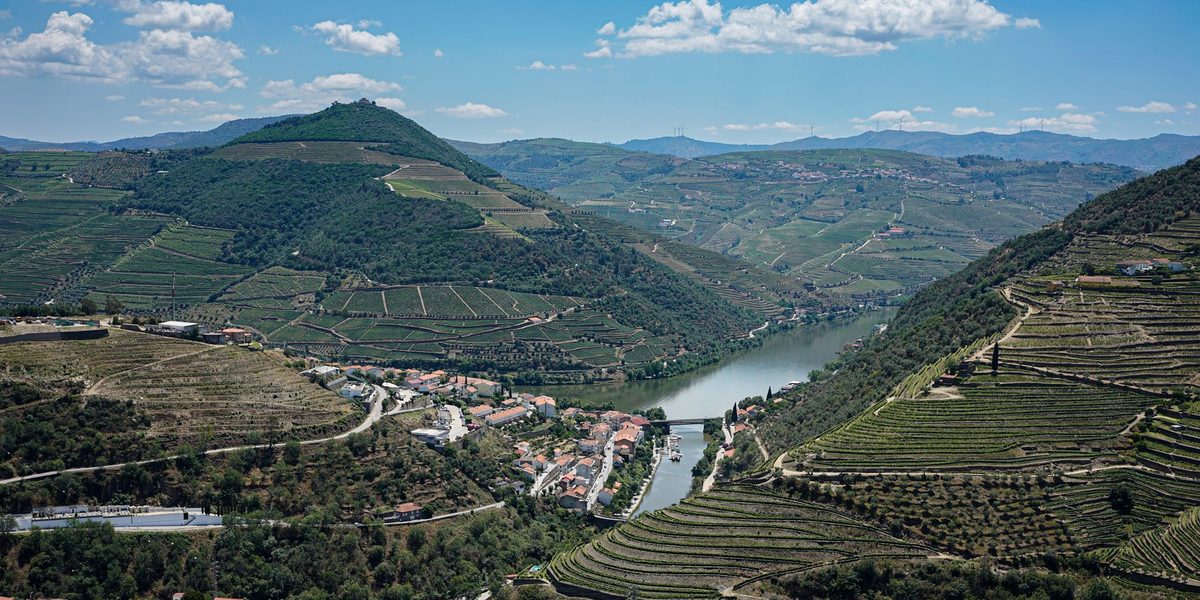
Some weekends are for cities, and some are for two-lane roads that run between rows of vines and fruit trees. Wine and orchard country offers a particular kind of escape: scenery that changes with every season, food and drink made yards from where you taste it, and a pace set by growing things rather than schedules. You do not need to know anything about wine, and you do not need to pick a single apple if you would rather just eat the pie. You need a loosely planned route, a comfortable place to sleep, and a willingness to pull over whenever a farm stand looks promising. Here is how to put that weekend together.
Why Farm Country Makes the Perfect Short Trip
A weekend is too short for most ambitious travel, but it is exactly the right length for wine and orchard country. The distances are small, with tasting rooms, orchards, farm stands, and country restaurants clustered along the same scenic roads, so you spend your hours enjoying places rather than reaching them. There are no must-see monuments generating pressure, which means no itinerary guilt; whatever you happen to visit was the right choice.
These regions also engage every sense in a way few destinations manage. You taste what the landscape produces, smell crushed grass and fermenting fruit, and watch light move across hillsides planted in tidy, hypnotic rows. Even travelers who drink nothing at all tend to love wine country, because the real attraction is the countryside itself with very good snacks.
Choose a Region That Matches Your Season
Growing country transforms through the year, and the season you choose shapes the whole trip. Spring brings blossom, when orchards turn white and pink for a couple of spectacular weeks and tasting rooms are quiet. Summer means long evenings, green vineyards, berries and stone fruit at the stands, and the liveliest patios. Harvest season is the showstopper, with fruit coming in, crush underway at the wineries, u-pick in full swing, and the landscape turning gold. Even the dormant months have their appeal: bare vines, fireside tastings, and winemakers with time to talk.
Match the region to the season too. Orchard-heavy areas peak at blossom and harvest, while vineyard regions are reliably lovely from early summer through the end of crush. If you can only manage one trip, harvest season in a region that has both vines and fruit trees gives you the richest single weekend of the year.
Plan Loops, Not Checklists
The classic mistake is treating tasting rooms like attractions to collect. Six stops in a day sounds efficient and feels like a chore by midafternoon. Plan instead around a gentle loop: two tastings or orchard visits in the morning hours, a long lunch, one or two more stops after, and a hard stop before dinner. Three or four producers a day is plenty, and the slack in the schedule is where the best moments happen, like the unplanned farm stand, the viewpoint, the goat that demands attention.
- Book the first stop of each day where reservations are expected, and leave the rest flexible.
- Mix big and small, pairing one polished estate with family operations where the person pouring may have pruned the vines.
- Alternate sips and solids, breaking up tastings with orchard visits, bakeries, and farm stands.
- Keep driving legs short, choosing a tight cluster of producers over a highlight reel scattered across the map.
Above all, settle the driving question before the first pour. Designate a driver, hire one, or base yourself somewhere with tasting rooms in walking distance. Spitting and sharing single tastings are normal, respected practices everywhere serious wine is poured.
Taste Like a Curious Guest, Not an Expert
Nobody behind a tasting counter expects expertise, and the best visits come from honest curiosity. Say what you usually enjoy, or admit you have no idea, and let the pourer guide you. Ask one real question, such as what the weather did to this vintage, or which bottle the staff drinks at home, and the standard script usually gives way to actual conversation. Small producers especially love visitors who ask about the work rather than performing knowledge.
Simple etiquette carries you everywhere: hold the glass by the stem, do not wear strong fragrance that interferes with everyone's tasting, keep children and dogs managed where they are welcome, and buy a bottle or two where you lingered. You are not obligated to purchase, but tasting fees rarely cover the time a good host gives you, and a bottle from a place you loved is the best souvenir this kind of trip produces.
Do the Orchard Side Properly
Orchards reward visitors who treat them as working farms rather than photo sets. If you pick fruit, pick where and how the farm directs, since branches break easily and next season grows on this season's wood. Take what you will actually eat or bake, because picked fruit is purchased fruit at nearly every farm. Twist or lift fruit gently rather than yanking, keep kids from throwing drops, and leave ladders and bins where crews staged them.
Beyond u-pick, orchard country offers pleasures that require no labor at all. Farm stores sell the varieties that never reach supermarkets, often with samples that will permanently raise your standards. Cider houses press and ferment on site, and fresh unfiltered juice in season is a revelation. Time your visit around a harvest festival if crowds energize you, or deliberately avoid one if they do not; the fruit tastes the same on a quiet weekday.
Eat and Sleep Where the Food Grows
Lodging choices shape this weekend more than most. A room in farm country, whether a vineyard guesthouse, an orchard cottage, or a small-town inn, means waking up inside the scenery and strolling out to morning light on the rows. Country inns also solve the dinner-and-driving problem elegantly: eat where you sleep, and the evening takes care of itself.
Seek out restaurants that buy from the farms around them, which in these regions is most of the good ones. Menus built on what came in this week are the whole point of eating in growing country. Assemble at least one meal yourself from farm stands, a bakery, and a bottle from the afternoon, and eat it somewhere with a view. That improvised picnic routinely outranks the fancy dinner in the trip retrospective.
Bring Home More Than Photos
Wine and orchard country is the rare destination where the souvenirs are genuinely useful. Pack a cooler and some padding so bottles, fruit, preserves, and cheese travel safely, and leave room in the trunk when you set out. Buy the thing you cannot get at home, such as the small-production bottle, the odd heirloom variety, or the preserves made in someone's actual kitchen, rather than the stuff with the widest distribution.
Consider keeping a simple record as you go, like a photo of each label you liked with one note about where you drank it. Months later, opening a bottle with its memory attached extends the weekend far beyond its two days. That is the quiet trick of this kind of trip: it keeps paying off at your own table long after you unpack.
Final Thoughts
A wine and orchard country weekend asks very little: a short drive, a loose loop, and an appetite. In return it offers landscapes at their most generous, food and drink at their freshest, and a pace that actually resembles rest. Pick a season, cluster your stops, settle the driving plan, and leave room in the schedule and the trunk for discoveries. The vines and the trees have been perfecting this hospitality for a long time. All you have to do is show up hungry.