Every road trip has two possible versions. In one, the drive is a chore to be endured between destinations, a blur of fuel stops and cranky passengers asking how much longer. In the other, the road itself is half the vacation, punctuated by scenic overlooks, memorable meals, and a snack bag that feels like a treasure chest. The difference is not luck or the route; it is a little deliberate planning about where you stop and what you eat. Here is how to build the second kind of trip.
Plan Stops as Destinations, Not Interruptions
The default road trip rhythm, driving until someone is desperate and then pulling into whatever gas station appears, guarantees the worst stops possible. Flip the logic: before you leave, scan the route for places worth stopping, and let fuel and bathroom breaks happen there. A town square with a bakery, a state park just off the highway, a quirky roadside attraction, a farm stand; these cost the same fifteen minutes as a fluorescent-lit convenience store and deliver actual memories.
A good rule of thumb is a real stop every two to three hours. That cadence keeps the driver alert, lets kids and adults burn off restlessness, and breaks a long day into manageable chapters. Mark two or three candidate stops per driving block rather than one rigid schedule, so you can choose based on mood and timing. The point is not to add hours to the day; it is to make sure the minutes you were going to spend stopped anyway happen somewhere worth being.
Hunt for the Detours Worth Twenty Minutes
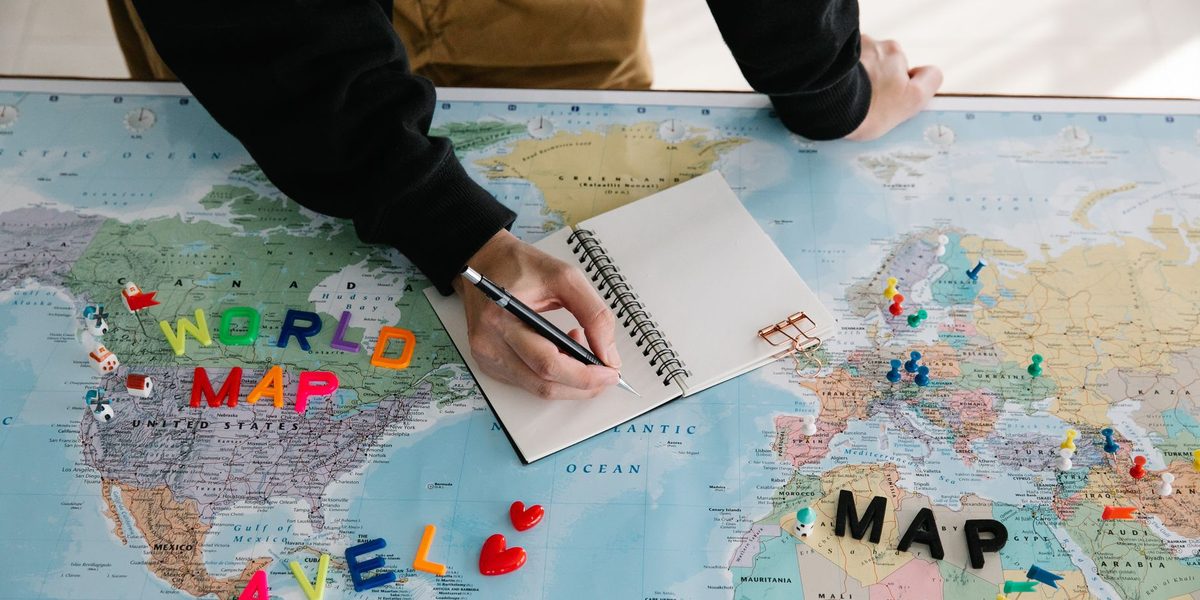
The best road trip stories almost never happen on the interstate. They happen eight minutes off it, at the overlook, the historical marker, the waterfall trail, the diner the locals argue about. When you plan the route, look for short detours, the kind that cost twenty or thirty minutes total, and sprinkle a few through each day. Scenic byways that parallel the main highway often add surprisingly little time while replacing concrete with coastline, farmland, or mountain passes.
Leave room for the unplanned ones too. The hand-painted sign promising the world's largest anything, the fruit stand with a line of pickup trucks, the small-town festival you did not know existed; these are invitations. A trip with one open hour per day has space to say yes, and saying yes is what people remember years later. Nobody reminisces about making great time.
Build a Snack System, Not a Grocery Bag
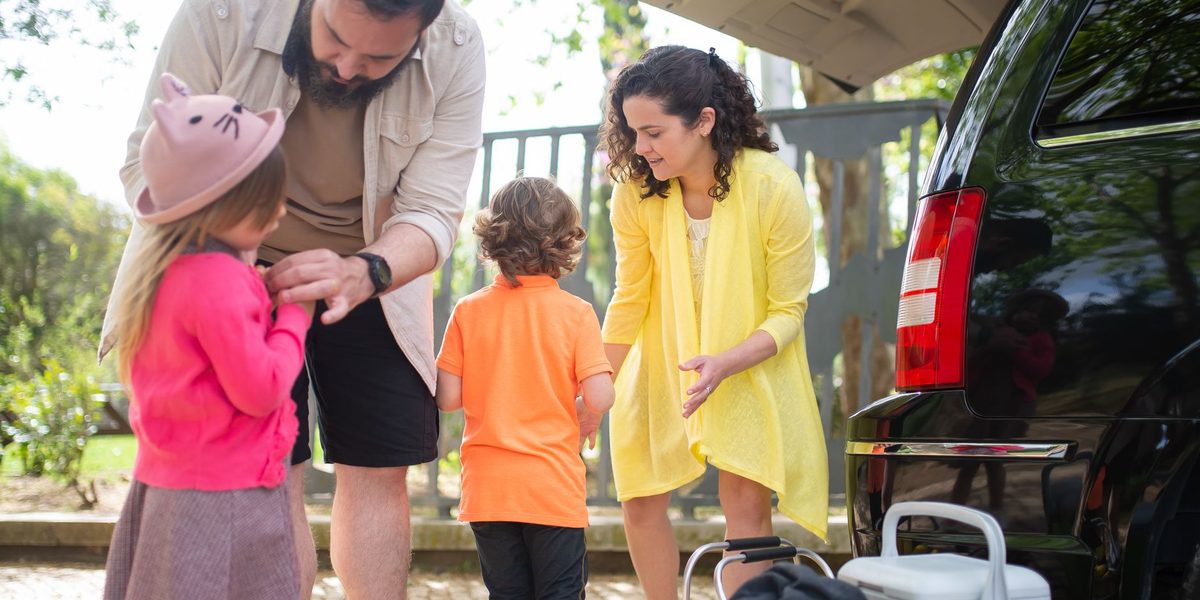
Road trip snacks fail when they are a plastic bag of impulse buys rattling around the back seat. They succeed when they are a system: a small cooler for cold things, a bin or pouch for dry goods, and everything positioned within reach of a passenger who becomes the official snack steward. Organization sounds fussy until the first time someone finds the cheese sticks without the driver taking their eyes off the road.
A balanced kit mixes categories so the car can answer any craving:
- Protein that travels: jerky, nuts, cheese sticks, hard-boiled eggs, nut butter packets.
- Fresh and crunchy: grapes, apple slices, baby carrots, snap peas, clementines that peel clean.
- Salty and satisfying: pretzels, crackers, popcorn, trail mix measured into individual portions.
- A few genuine treats: the candy or cookies that only appear on road trips, which keeps them special.
- Hydration: a filled water bottle per person, refilled at every stop.
Favor foods that survive warmth, do not crumble into the seats, and do not stain fingers or upholstery. Pre-portioning at home prevents both the family-size-bag stomachache and the mid-highway snack negotiation.
Snack Strategy Is Secretly Mood Management
Experienced road trippers know the snack bag is really a toolkit for managing energy and tempers. Heavy, greasy food makes drivers sleepy and passengers queasy, so save the indulgent meal for the evening when the driving is done. Steady, lighter snacking keeps blood sugar level, which keeps conversation pleasant and complaints rare. Hunger in a car disguises itself as boredom, bickering, and the fourteenth are-we-there-yet, and a well-timed snack dissolves all three.
Timing matters as much as content. Deploy a favorite snack at the start of the dreaded boring stretch, not after the whining begins. Keep one surprise item hidden for the roughest hour of the longest day. And hold a firm line on water, even though it means more bathroom stops; a mildly inconvenient stop beats a headachy, dehydrated carload every time.
Make Mealtime Stops Count
Three fast-food meals a day will flatten a road trip faster than any traffic jam. Aim for one proper sit-down or picnic meal daily, and make it local wherever you can. The diner on the courthouse square, the barbecue stand with the smoker out front, the taqueria the gas station clerk recommends; these meals are tourism, not just fuel. A quick search at the previous stop, or simply asking a local, reliably beats exit-sign roulette.
Picnics are the underrated alternative. A grocery stop for bread, cheese, fruit, and something sweet, eaten at a rest area with a view or a small-town park, costs less than a drive-through and feels like an event. Keep a cheap blanket and a roll of paper towels in the trunk and any scenic pull-off becomes a dining room. Meals taken outside the car also give the driver a genuine rest, which is worth more than the time it costs.
Keep the Car Entertaining Between Stops
Even with perfect stops, there are long miles to fill, and screens alone wear thin. Build a small menu of in-car entertainment before you leave: a playlist each traveler contributes to, an audiobook or podcast series chosen for the whole car, and a rotation of classic games like twenty questions, the license plate game, or categories. The old games survive because they actually work, scaling from small kids to grandparents without equipment.
Give passengers jobs, too. One navigates and reads out upcoming points of interest, one runs the snack inventory, one is in charge of the playlist. Shared roles turn passengers from cargo into crew. And embrace stretches of comfortable silence with the window scenery rolling by; part of what makes road trips restorative is that nobody is required to perform constantly.
Pack the Small Things That Prevent Big Misery
A handful of cheap items quietly rescue road trip days: wet wipes and paper towels for the inevitable spill, a small trash bag that gets emptied at every stop, sunscreen and sunglasses for glare, a phone charger that reaches the back seat, motion sickness remedies for the winding sections, and a light layer for over-enthusiastic air conditioning. Add a basic first-aid kit and a printed or downloaded map for the stretches where phone signal gives out.
None of this takes real space, and all of it converts potential trip-ruining moments into thirty-second fixes. The best road trips feel spontaneous precisely because the boring contingencies were handled before the engine started.
Final Thoughts
The miles fly when the drive stops being the price of the trip and becomes part of the product. Plan stops you would actually choose, leave slack for the detours that find you, and treat the snack kit as the mood-management tool it truly is. A road trip run this way delivers something flying never can: the sense that the whole journey, gas stations and goofy roadside statues included, belonged to you. Fill the cooler, cue the playlist, and let the road do what it does best.