You do not need a landscaping crew or a sprawling lot to love your backyard. Some of the most dramatic outdoor transformations come from modest, weekend-sized projects that change how a space feels and functions. The common thread among the upgrades below is leverage: each one is small in cost and effort relative to how much more livable it makes the yard. Whether your outdoor space is a compact patio or a modest patch of lawn, these ideas punch far above their weight.
String Lighting Changes Everything
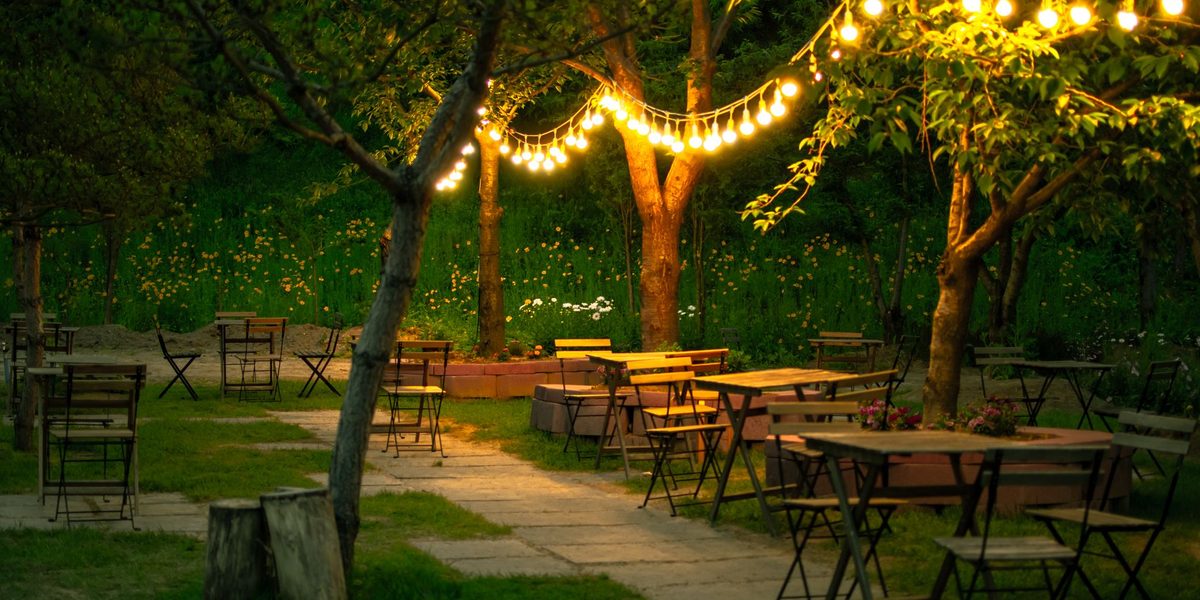
If you make only one upgrade, make it lighting. A backyard that goes dark at sunset is a backyard you use half as much, and overhead string lights are the fastest fix. Draped between the house, a fence post, or a couple of simple cedar poles set in planters, warm-toned bulbs create an instant ceiling that defines the space and makes an ordinary patio feel like a destination.
Layer in a few ground-level accents for depth: solar path lights along a walkway, a lantern or two on the table, and an uplight washing a tree or fence. The goal is several small pools of warm light rather than one harsh floodlight. Evenings outside become the default instead of the exception.
Create One Genuine Gathering Spot
Scattered chairs do not invite people to linger; a defined destination does. Pick one anchor, a fire pit ring, a conversation set, or a small bistro table, and arrange seating around it so people naturally face each other. A fire feature is the classic choice because it extends the season on both ends, pulling the household outside on cool spring and autumn nights that would otherwise be spent indoors.
Underfoot matters as much as the furniture. A simple pad of pea gravel over landscape fabric, a ring of pavers, or an outdoor rug visually separates the gathering zone from the rest of the yard. That separation is what makes a small yard feel like it has rooms rather than just space.
Add Privacy Without Building a Fortress
Feeling watched is the quiet reason many backyards go unused. Full fence replacement is expensive, but targeted screening is not. Identify the one or two sightlines that bother you most, usually from a neighbor's window or deck toward your seating area, and block only those. A single lattice panel, a slatted wood screen, or a trellis with a fast-growing vine can make a seating nook feel enclosed for a fraction of the cost of fencing.
Planters do the same job with more softness. A row of tall grasses or columnar evergreens in large containers creates a movable green wall, and layering heights, tall screen behind, mid-height shrubs in front, reads as a designed landscape rather than a barricade.
Grow Something You Can Eat
A small raised bed delivers outsized satisfaction. One or two beds, each about the size of a door laid flat, are enough for salad greens, herbs, cherry tomatoes, and peppers, and the ritual of stepping outside to snip basil for dinner changes your relationship with the yard. Raised beds also sidestep poor native soil, warm up earlier in spring, and keep the garden tidy and intentional-looking.
If beds feel like too much commitment, start with a cluster of large containers near the kitchen door. Herbs are nearly foolproof, and grouping pots on a gravel pad or plant stand turns them into a feature. The point is less about harvest volume and more about giving the yard a living, productive corner you visit daily.
Refresh the Surfaces You Already Have
Before adding anything new, renew what is there. A rented pressure washer resurrects gray decks, grimy pavers, and stained concrete in an afternoon, and the difference is routinely shocking. Follow a cleaned deck with a coat of stain or sealer and it will look rebuilt. Faded outdoor furniture responds the same way to a scrub and a can of exterior spray paint made for metal or plastic.
Edging is the other high-leverage refresh. Cutting a clean line between lawn and beds, then topping beds with a fresh layer of mulch, delivers the single biggest visual upgrade per hour of work in all of landscaping. Crisp edges read as cared-for even when the plantings are simple.
Make Shade Where You Need It
A yard with no relief from afternoon sun gets abandoned in high summer. You do not need a permanent structure: a shade sail anchored to the house and two posts adds sculptural style for modest cost, and a cantilever or tilting patio umbrella covers a dining table flexibly. For a longer-term play, plant one well-placed shade tree on the yard's west side; it is the cheapest air conditioning you will ever buy and grows more valuable every year.
Think about shade in layers for different times of day. Morning coffee might want an east-facing bright spot, while late-afternoon lounging needs western cover. Watching where the sun falls for a weekend before you commit saves you from anchoring shade in the wrong place.
Small Touches That Multiply the Effect
Once the bones are in place, a handful of finishing moves tie the yard together:
- An outdoor rug under the seating area adds color and makes furniture feel intentional.
- Weatherproof cushions and throws turn hard chairs into places people stay for hours.
- A water feature, even a small bubbling urn, masks street noise and attracts birds.
- Window boxes or rail planters on the deck pull color up to eye level.
- A storage bench hides cushions and toys while adding seating.
None of these is a project so much as a purchase, but together they supply the layered, finished feeling that separates a styled outdoor room from a patio with chairs on it.
Design for Low Maintenance From the Start
The upgrades that pay off longest are the ones that do not add chores. Before committing to any project, ask what it will demand from you next season. A gravel seating pad needs an occasional rake; a large annual bed needs weekly attention. Favor perennials over annuals for most plantings, choose shrubs sized for their spot so you are not pruning constantly, and let mulch do the weed suppression a busy household will never get around to. Native and drought-tolerant plants reward you twice, less watering and more pollinators, and they tend to look better with neglect than fussier imports look with care.
Apply the same filter to materials. Composite or sealed wood for anything you build, powder-coated metal furniture, and cushions with removable washable covers all trade a little upfront cost for years of not thinking about them. A yard that maintains itself at ninety percent is one you spend your weekends enjoying rather than servicing.
Finally, leave room for the yard to evolve. Resist filling every corner in one season; live with the new seating area and lighting for a few months, notice where people actually gravitate, where water pools after rain, and where the sun lingers, and let the next round of upgrades answer what the first round taught you. Yards built in observed layers almost always end up more usable than yards planned all at once on paper.
Final Thoughts
The best backyard is not the biggest or the most expensive; it is the one you actually use on a random Tuesday evening. Light it warmly, give it one true gathering place, screen the sightline that bothers you, and let something green and edible grow. Tackle one upgrade per weekend and by the end of a single season the yard will feel like an extra room of the house, because that is exactly what it will have become.