Renting can leave you feeling like a guest in your own life. White walls you did not choose, lighting you would never have picked, and a lease that frowns on anything permanent all conspire to keep a place feeling temporary. But a rental does not have to look or feel like one. With a focus on reversible changes, smart layering, and a few strategic investments that move with you, you can make almost any apartment or rental house feel genuinely, personally yours, and still get the deposit back.
Fix the Lighting First
Nothing makes a rental feel institutional faster than a single harsh ceiling fixture in every room. The fastest, most renter-friendly transformation is to stop using overhead lights as your main source. Bring in three layers per room: a floor lamp for general light, a table lamp or two for mid-level warmth, and something small and atmospheric, a shelf light or a plug-in sconce that hangs from a single picture-grade hook.
Choose warm bulbs and put at least one lamp on a smart plug or timer so the home glows before you walk in the door. If a fixture is truly ugly, many landlords allow a swap as long as you keep the original and reinstall it when you leave; a simple drum shade or paper lantern can replace a dated dome for very little money.
Treat the Walls as Yours (Temporarily)
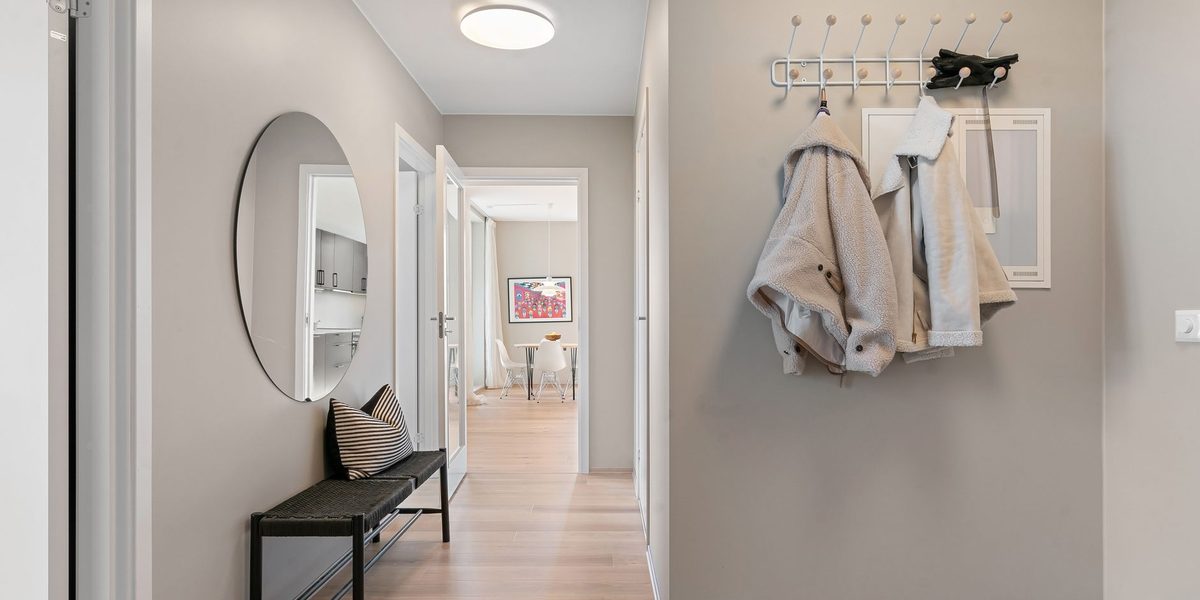
Bare walls are the loudest signal that nobody really lives somewhere. Modern removable hanging solutions, adhesive strips, hooks rated for real weight, and slim nails that leave pinholes most leases consider normal wear, mean you can hang a proper gallery wall, a large mirror, or substantial art without drama. Go bigger than feels safe; one oversized piece reads as intentional where six tiny frames read as clutter.
Peel-and-stick wallpaper and removable decals have matured into genuinely good products. A single accent wall behind the bed or sofa, in a pattern you love, changes the entire character of a room and strips off cleanly at move-out. The same goes for peel-and-stick tile over a dated kitchen backsplash. Test a small patch first, keep the leftover materials, and photograph the wall before you start so restoring it is painless.
Cover What You Cannot Change
Every rental has surfaces you would never have chosen, beige carpet, scuffed vinyl, a bathroom floor from another era. The answer is almost always a layer. Large area rugs are the renter's best friend: they hide flooring, define zones in open layouts, soften sound in echoing apartments, and leave with you. An inexpensive rug pad makes even a budget rug feel substantial underfoot.
The same logic applies vertically. Curtains hung high and wide, mounted from a tension rod or small brackets, make windows look larger and hide aluminum blinds you cannot remove. Slipcovers rescue tired landlord-provided furniture, and a console table can stand in front of, and visually erase, an awkward radiator or utility panel.
Upgrade the Hardware You Touch Daily
Small tactile details carry outsized weight in how a home feels. Swapping cabinet pulls in the kitchen and bathroom takes an hour with a screwdriver, costs little, and modernizes the whole room; store the originals in a labeled bag for move-out day. A new showerhead is a five-minute change that upgrades every single morning. Even replacing a flimsy toilet paper holder or a wobbly towel bar with something solid shifts the feel from borrowed to owned.
These touch-point upgrades are also the best value in all of rental decorating, because the good hardware comes with you to the next place. Think of it as slowly assembling a kit of quality parts that make any future rental instantly better.
Arrange for How You Live, Not How It Was Shown
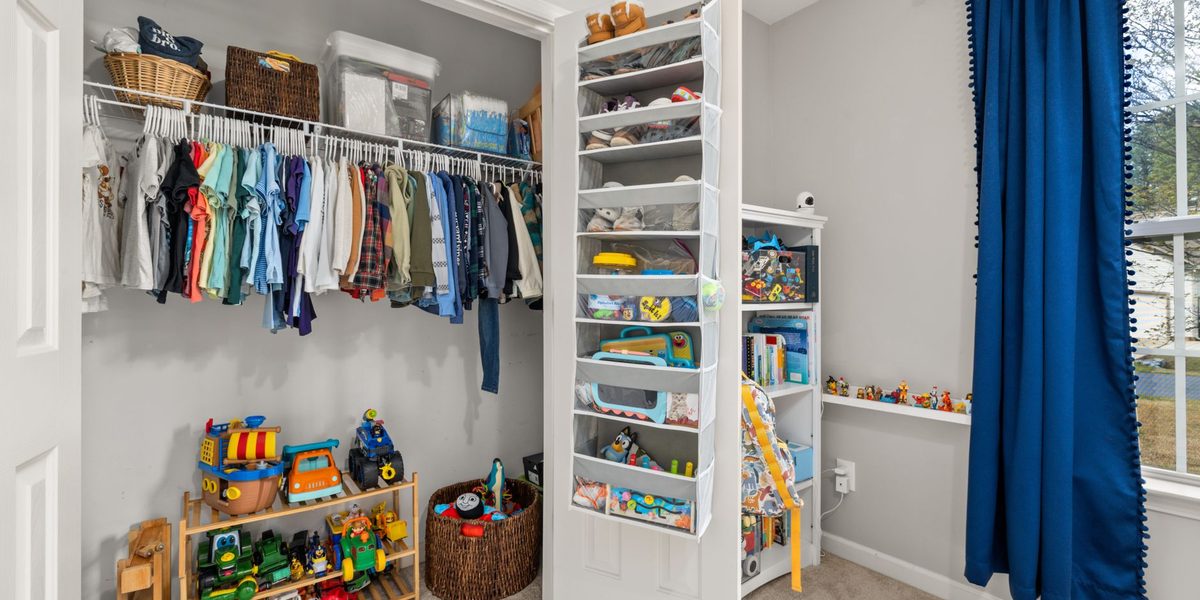
Rentals are usually laid out for viewings: furniture pushed against walls, one obvious path through the middle. Reclaim the floor plan. Pull the sofa off the wall, float it to divide an open room, and angle chairs toward conversation instead of a blank corner. In studios and small apartments, use a bookcase, folding screen, or curtain on a ceiling track to carve out a sleeping nook or a work zone, and suddenly one room lives like two.
Give every daily routine a dedicated spot, a tray by the door for keys, a hook for the bag you carry every day, a chair that belongs to morning coffee. Homes feel like home when the space anticipates your habits instead of fighting them.
Add Life, Scent, and Sound
Sensory details do more than decor to make a place feel inhabited:
- Plants, even two or three low-maintenance varieties, add movement and life no object can match. A sunny windowsill of herbs does double duty.
- Consistent scent, from a candle, diffuser, or simmer pot, becomes the signature of your home; you will notice it the moment you walk in.
- Sound, whether a small speaker with a regular playlist or a quietly ticking clock, erases the hollow silence rentals tend to have.
- Textiles everywhere: layered throws, real curtains, cloth napkins. Softness is the difference between staged and lived-in.
None of this requires permission from a landlord, and all of it travels with you.
Invest Where It Moves With You
The smartest rental strategy is spending on things that are yours forever and saving on things tied to the unit. A quality mattress, a sofa you love, good lamps, solid cookware, and a proper desk chair will serve you through every future address. Meanwhile, keep unit-specific spending, custom-cut shelving, made-to-measure anything, cheap and minimal.
Keep one box or digital note tracking everything you changed: swapped hardware, original fixtures, filled holes. An hour of restoration at move-out protects the deposit and keeps the relationship with your landlord smooth, which matters for references down the road.
Know What to Ask the Landlord For
Renters routinely assume more is forbidden than actually is. Leases typically prohibit permanent alteration, but many landlords will happily approve, or even fund, improvements that raise the unit's value: a fresh coat of neutral paint, a modern light fixture, a programmable thermostat, or repairs to things you have simply been living with. The ask costs nothing, and a written yes turns a gray area into a green light. Frame requests around the property's benefit, offer to use professional-grade materials or restore the original at move-out, and get every agreement in writing, even a short message thread counts.
Timing helps. Landlords are most flexible at lease renewal, when keeping a reliable tenant is worth more than the cost of a paint approval. If you are a good tenant asking for reasonable things, you have more leverage than you think. And when the answer is no, you have lost nothing; the removable playbook above still covers almost every situation.
While you are at it, learn which fixes are the landlord's job regardless, dripping taps, failing seals, struggling appliances, and report them early. A unit kept in good repair feels cared for, and feeling cared for is half of feeling at home.
Final Thoughts
A lease limits what you can demolish, not how deeply a place can feel like yours. Warm the lighting, claim the walls with removable confidence, layer rugs and curtains over surfaces you cannot change, and upgrade the small things your hands touch every day. Do those few things and the white-walled box you signed for quietly becomes the place you are happiest to come back to, and when it is time to move, nearly all of it comes with you.