Somewhere in nearly every home sits a drawer, box, or shelf of travel regret: the keychains that never held keys, the shot glasses from places no one toasts, the miniature landmark gathering dust beside a magnet of itself. Souvenirs are supposed to carry memory home, yet most of what travelers buy carries nothing but packaging. The problem isn’t sentimentality — it’s shopping without a strategy, in a mood of vacation generosity, surrounded by stores engineered for exactly that mood. A souvenir strategy, decided before you travel, changes everything. It tells you what to look for, what to walk past, and how the things you bring home will actually live once they get there. Here’s how to build one.
Decide What a Souvenir Is For — Before You Go
A souvenir has one real job: to return you to a moment. The best ones are triggers for memory, not proof of attendance. Before a trip, ask what kinds of objects genuinely do that for you. For some people it’s things they’ll use daily — a mug, a knife, a scarf — that fold the trip into ordinary life. For others it’s something for the wall, something for the kitchen, or something consumable shared with friends at home. Knowing your answer converts every market stall from a temptation into a simple filter: does this object have the job, or doesn’t it?
It helps to name what souvenirs are not for. They are not obligations, not evidence you traveled, and not gifts for every person you’ve ever met. Releasing those jobs before departure removes most of the clutter at the source.
Start a Collection With Rules
The single most effective souvenir strategy is a deliberate collection: one category of object, collected once per trip, under rules you set. Good collections are small, displayable or usable, and specific enough to require a little hunting — which itself becomes a travel activity. One ornament per trip turns a holiday tree into a map of your travels. One piece of local pottery builds a cupboard where every meal touches a memory. A single artwork small enough for carry-on builds a gallery wall over a lifetime of trips.
The rules matter as much as the category: one item per trip, within a set size, within a set budget. Constraints are what make a collection meaningful instead of a pile. When you know you’re allowed exactly one ceramic piece, you look harder, choose better, and remember the choosing.
Favor Things Made There by Someone There
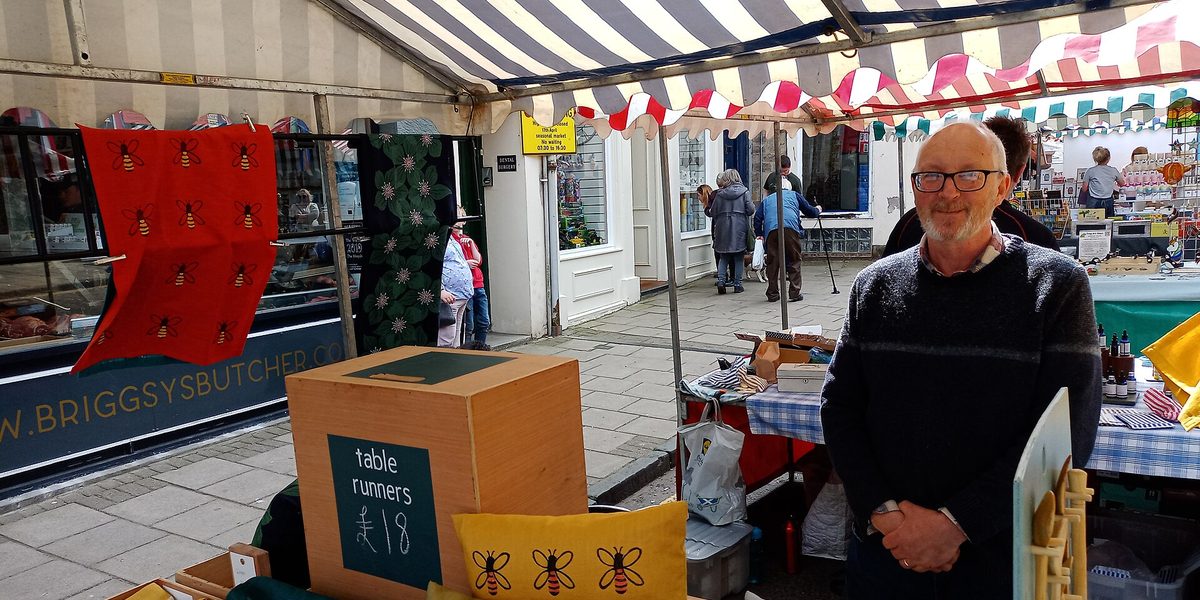
If an object could be bought in any airport on earth, it will trigger no memory of anywhere. The souvenirs that keep their meaning tend to share one trait: a real connection to the place and the hands that made them. Seek out local makers, workshops, markets, and cooperatives rather than souvenir rows near major attractions. Buying directly from an artisan adds a second layer to the object — a conversation, a face, a story about how it’s made — and that story is half of what you’re bringing home.
Learn what the region is genuinely known for making and let that guide you: textiles here, woodwork there, glass, leather, spices, paper. A modest handmade object from a local tradition will outlast a hundred molded trinkets in both durability and meaning. One caution: know the customs rules for what you’re carrying home, especially for food, plants, and anything made from animal or protected natural materials — some traditional products cannot legally cross borders, and checking first beats forfeiting later.
Collect Consumables and Experiences, Not Just Objects
Some of the best souvenirs weigh nothing or disappear on purpose. Consumables — local coffee, tea, spices, sweets, olive oil, preserves — bring the trip home in the most vivid sense available, and then conveniently cease to exist. Sharing them stretches the trip further: a dinner cooked with ingredients from your travels is a souvenir that feeds people.
- Take a cooking class and bring home a dish you can make forever — a recipe is a souvenir with infinite uses and zero shelf space.
- Keep flat ephemera: tickets, maps, stamps, pressed coins, or postcards destined for a journal rather than a drawer.
- Mail yourself a postcard from each trip, written that day; the arrival home is a small second visit.
- Collect photographs with intention — one themed shot per trip, like doors, markets, or breakfasts, builds a series worth printing.
Experience-based keepsakes sidestep clutter entirely while often holding memory better than objects do, because the memory was built into acquiring them.
Set a Budget and a Space Rule
Souvenir spending behaves badly without limits, because each purchase feels small while the total quietly grows. Set a souvenir budget per trip before departure — whatever suits your finances — and carry it mentally as a single number rather than a series of impulses. A budget doesn’t just cap spending; it upgrades it. One number spent on one wonderful thing beats the same number scattered across ten forgettable ones.
Pair the budget with a space rule: everything must fit in a designated corner of your luggage, or everything must have a known home before it’s bought. The question where will this live is the most clutter-killing sentence in travel. If the honest answer is a drawer, the object has already told you its future. For gifts, keep a short list of recipients decided before the trip, and buy small, consumable, or genuinely local — nobody’s shelf needs another branded trinket, but everyone enjoys chocolate from somewhere interesting.
Shop Late in the Trip, Not Early
Timing your buying changes what you buy. Purchases made in the first excited hours of a trip tend to be impulsive and generic; purchases made near the end are informed by everything you’ve seen, compared, and learned about local prices and quality. Browse early, note what catches your eye, and buy late — the things still calling to you on the final day have passed the only test that matters. The exception is a genuinely one-of-a-kind piece from a maker you won’t pass again; for those, trust the collection rules you set and decide on the spot.
Give Souvenirs a Life When You Get Home
The final step of the strategy happens after the trip, and skipping it is how meaning decays into clutter. Within a week of returning, give each object its place: hang the artwork, shelve the ceramic with the others, put the textile into use, deliver the gifts, and add ephemera to a journal or box dedicated to that trip. An object in use or on display keeps telling its story; an object still in the shopping bag in a closet has already gone silent.
Do a periodic audit, too. If past trips left you with a sediment of souvenirs that no longer spark anything, release them without guilt — photograph anything with residual sentiment, keep the few that still work, and let the rest go. Curating backward sharpens your judgment forward: you learn exactly which kinds of objects keep their meaning in your home, and that knowledge is the strategy, refined.
Final Thoughts
A souvenir strategy sounds unromantic until you see what it produces: a home where travel is visible and alive — the ornament tree, the mismatched beautiful cups, the wall of small artworks — instead of drawers of mute plastic. Decide before each trip what you collect and why, favor made-there over made-anywhere, let consumables and experiences carry part of the load, and give everything a home within days of returning. The goal was never more stuff from more places. It’s a handful of objects that, years later, can still put you back on that street, in that market, on that particular wonderful day.