There is a particular kind of freedom that comes from walking past the baggage carousel while everyone else waits. Packing light for a full week is not a magic trick reserved for minimalists; it is a set of learnable habits, and the biggest shift is mental rather than physical. Once you accept that nobody at your destination is tracking whether you wore the same sweater twice, the suitcase practically packs itself. Here is how to fit seven days of real life into a bag you can lift into an overhead bin without help.
Start With the Bag, Not the Clothes
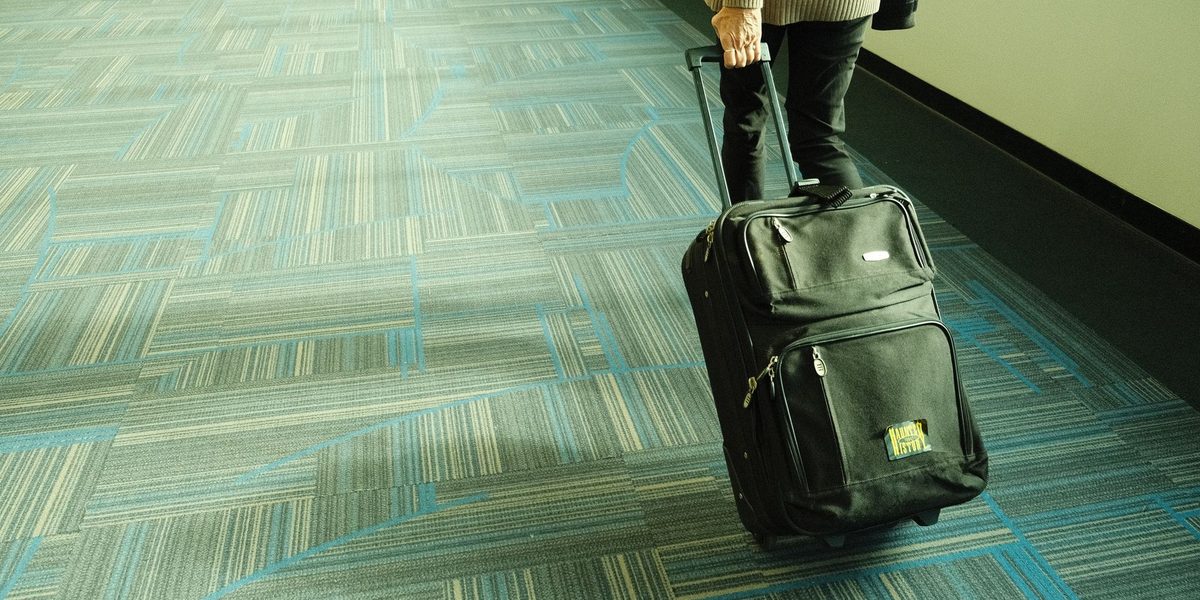
Most people pack by piling up everything they might want and then hunting for a bag big enough to hold it. Reverse that. Choose a modest bag first, whether that is a carry-on suitcase or a travel backpack, and let its limits make your decisions for you. A smaller container is the single most effective packing tool ever invented, because it ends every internal debate about the third pair of shoes before it starts.
Whatever bag you choose, know its dimensions and weigh it fully packed at home. Lift it over your head, carry it up a flight of stairs, and roll or wear it around the block. If any of that feels like a struggle in your own hallway, it will feel far worse on a train platform at the end of a long day.
Build a Capsule Around One Color Family
The secret to a small wardrobe that never feels repetitive is coordination. Pick one neutral base, such as navy, black, or shades of tan, and make sure every single item works with every other item. When any top pairs with any bottom, five tops and three bottoms quietly become fifteen different outfits.
A dependable week-long capsule looks something like this:
- Tops: four or five shirts in your base palette, mixing short and long sleeves to suit the forecast.
- Bottoms: two or three versatile pairs, such as one pair of jeans or trousers and one lighter option.
- Layers: one sweater or cardigan plus one packable jacket that handles wind or light rain.
- One nicer outfit: a single dress or a collared shirt that elevates for dinners without needing its own shoes.
- Shoes: two pairs at most, one comfortable walker worn in transit and one compact alternative.
Jewelry, scarves, and a belt change the look of an outfit while taking up almost no room, which makes accessories the cheapest space in the whole bag.
Plan to Wash, Not to Carry
Packing for seven days does not mean packing seven of everything. It means packing for three or four days and washing once. A small sink wash of underwear and socks takes five minutes in the evening, and quick-drying fabrics are usually ready by morning. A travel-size packet of detergent or even a hotel bar of soap handles the job.
If sink laundry sounds grim, look for lodging with laundry access or a wash-and-fold service near where you are staying. One hour of laundry mid-trip can cut your clothing load nearly in half, and it leaves room in the bag for anything you pick up along the way. Travelers who embrace washing quickly discover they could have packed even less than they did.
Choose Fabrics That Work Hard
Not all clothing earns its place equally. Merino wool and quality synthetic blends resist odors, shrug off wrinkles, dry fast, and handle a wide range of temperatures, which means each piece can be worn multiple times between washes. Heavy cotton, by contrast, is bulky, slow to dry, and shows every crease.
Think in layers rather than in single-purpose garments. A light base layer, a mid-weight sweater, and a packable shell will carry you through more weather than one thick coat, and the pieces separate for mild afternoons. Wear your bulkiest items on travel days, boots on your feet and the jacket on your shoulders, so the heaviest things in your wardrobe never take up suitcase space at all.
Shrink the Toiletry Kit Ruthlessly
Toiletries are where disciplined packers quietly lose the war. Full-size bottles are never necessary for a week. Decant what you need into small reusable containers, and remember that solid versions of shampoo, conditioner, and soap skip liquid restrictions entirely while lasting longer than their weight suggests.
Audit the kit honestly. Hotels and rentals supply basics like soap and hair dryers. Anything you use less than daily at home will probably go untouched for a week. A good rule: if you would not miss it until day ten, it stays behind. The entire kit for seven days should fit in one small pouch, and keeping it that size for every trip, pre-packed and ready, also removes a whole category of pre-trip stress.
Pack With a System, Not a Pile
How you pack matters nearly as much as what you pack. Rolling clothes instead of folding them saves space and reduces creasing for most casual fabrics. Packing cubes take the method further by compressing each category into a tidy brick, so finding one shirt no longer means excavating the whole bag. Use one cube for tops, one for bottoms, and one for small items, and repacking each morning takes two minutes.
Fill dead space deliberately. Socks go inside shoes, belts coil around the bag's perimeter, and chargers tuck into corners. Keep a flat tote or foldable daypack at the top of the suitcase; it becomes your daily bag at the destination and your overflow bag for the trip home. Finally, leave a little empty space on purpose. A bag packed to bursting on day one has no room for the realities of day five.
Resist the What-If Spiral
Nearly all overpacking comes from imagined emergencies: the surprise formal event, the freak cold snap, the sudden invitation to go hiking. The cure is remembering that destinations have stores. If a genuine need arises, you can buy a cheap umbrella or an extra layer on the spot, and it will cost far less than the cumulative price of hauling contingency items on every trip you ever take.
Before zipping the bag, do a final pass and remove one top, one bottom, and one just-in-case item. Almost no one has ever regretted that last cut, and nearly everyone unpacks at home with several items that never left the suitcase. Those untouched items are your personalized lesson for the next trip.
It also helps to pack a day or two early and then live with the decision. Walking past the packed bag for an evening gives second thoughts time to surface calmly, instead of in a last-minute panic that stuffs three extra outfits in at midnight. If something genuinely essential comes to mind during that cooling-off period, swap it in for something of equal size. The bag stays the same; only its contents improve.
Final Thoughts
Packing light for a week is really a decision to trade a small amount of wardrobe variety for a large amount of freedom. You move through airports faster, climb stairs without dread, never lose a checked bag, and spend exactly zero vacation minutes managing your possessions. Start with a smaller bag, build a coordinated capsule, plan one wash, and be ruthless with toiletries and what-ifs. After one trip lived out of a single carry-on, the oversized suitcase in your closet will start to look like the burden it always was.