 (Image via
Living in a warm climate has its perks—sunshine, outdoor living, and vibrant landscapes are just a few! But as temperatures rise, keeping our homes cool and comfortable without sending the electricity bill through the roof can be a real challenge. What if your home could work with the climate, not against it?
Welcome to the amazing world of climate-adaptive design! It’s an inspiring approach to architecture that uses smart, and often simple, strategies to create homes that are naturally cooler, more energy-efficient, and a true joy to live in. Get ready to discover how you can turn your home into a cool, sustainable oasis!
What is Climate-Adaptive Design?
At its heart, climate-adaptive design is about creating homes that respond intelligently to their environment. Instead of relying solely on air conditioning to fight the heat, this approach leverages natural elements and clever architectural features to maintain a comfortable indoor temperature. It’s a brilliant blend of ancient wisdom and modern innovation.
The benefits are fantastic:
- Lower Energy Bills: By reducing the need for AC, you can save a significant amount on your monthly energy costs.
- Enhanced Comfort: These homes feel more naturally comfortable, without the stuffy, recycled air of constant air conditioning.
- Environmental Sustainability: Using less energy means a smaller carbon footprint, making your home a friend to the planet.
Ready to explore how it works? Let's dive into the core strategies!
The Magic of Passive Cooling
Passive cooling is the secret sauce of climate-adaptive design. It’s a collection of techniques that cool your home with little to no energy consumption. It’s all about smart design that works in harmony with nature.
1. Harness the Power of Shading
Blocking the sun before it hits your windows and walls is the first and most effective line of defense against heat.
- Natural Shading: Planting deciduous trees on the south and west sides of your home is a fantastic long-term strategy. They provide dense shade in the summer and let the sun through in the winter when their leaves fall.
- Architectural Elements: Overhangs, awnings, and pergolas are your home's built-in sun hats. They can block the high summer sun while still allowing lower winter sun to warm your home. Exterior blinds and shutters are also incredibly effective.
2. Master the Art of Cross-Ventilation
Creating a breeze inside your home is a game-changer for comfort. Cross-ventilation is all about designing your home to capture and direct airflow.
- Strategic Window Placement: Placing windows on opposite sides of a room allows cool air to enter through one and push warm air out through the other, creating a natural and refreshing breeze.
- The Stack Effect: Hot air rises! Clerestory windows (small windows placed high on a wall) or operable skylights allow warm air that has accumulated near the ceiling to escape, drawing cooler air in from below.
Choosing the Right Materials
The materials you use to build and finish your home play a huge role in how it handles heat. Think of them as your home’s wardrobe—you want to choose breathable, light-colored fabrics for summer!
1. Cool Roofs
Your roof absorbs a massive amount of solar heat. A "cool roof" is designed to reflect more sunlight and absorb less heat than a standard dark roof.
- Reflective Materials: Materials like white metal roofing, light-colored tiles, or special reflective coatings can stay significantly cooler in the sun, which means less heat gets transferred into your home.
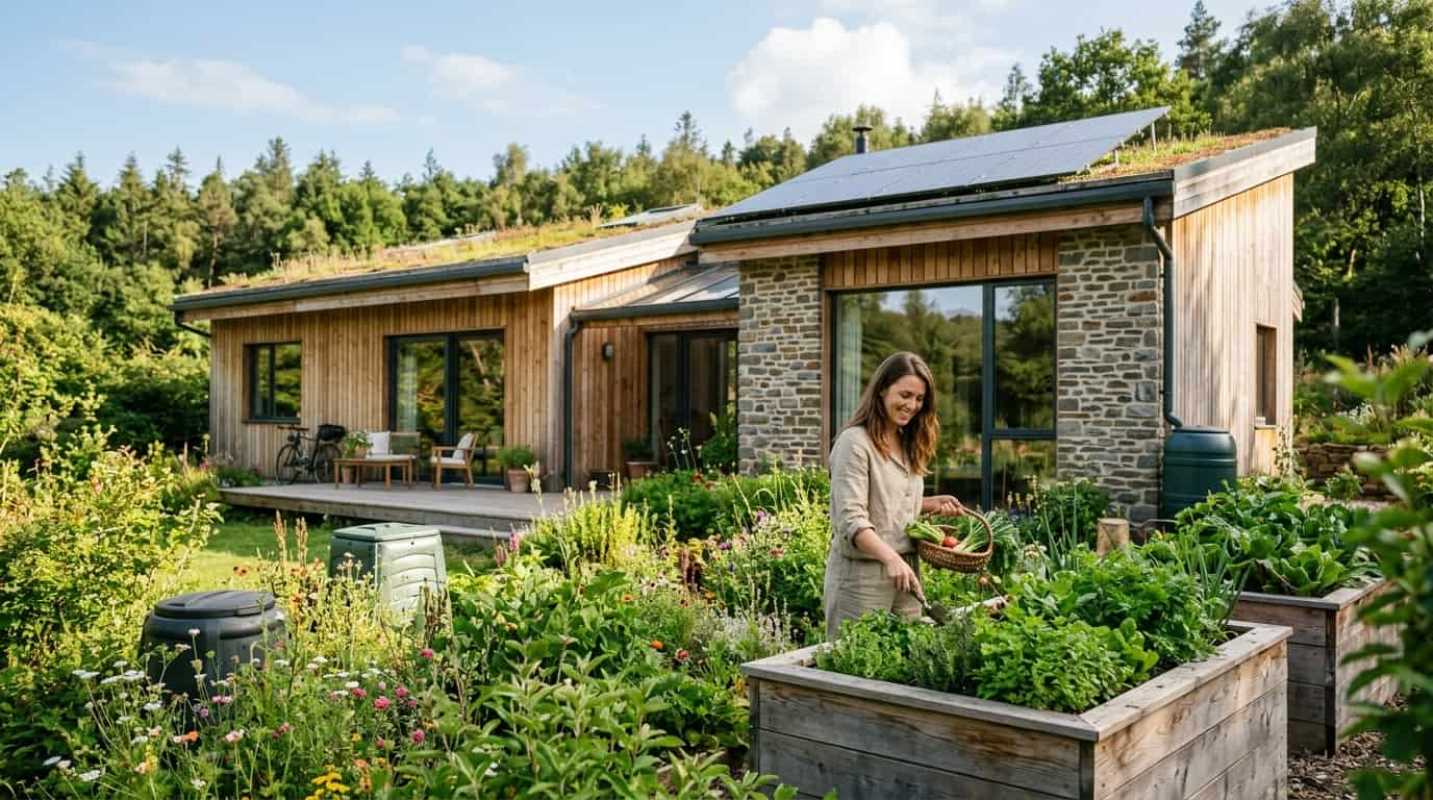
- Green Roofs: A living roof covered with plants is an incredible insulator. The soil and vegetation absorb heat and cool the surrounding air through a process called evapotranspiration. Plus, they look amazing!
2. Breathable Walls and Floors
- Insulation is Key: Proper insulation in your walls and attic is crucial. It acts as a thermal barrier, slowing the transfer of heat from the outside in.
- Cool Flooring: Materials like tile, concrete, and stone feel cool underfoot because they don't hold onto heat as much as carpet.
Actionable Tips for Your Home
Whether you're building a new house or upgrading your current one, you can start incorporating these principles today!
- Optimize Your Windows:
- If you're building, orient the majority of your windows to face north and south, with minimal windows on the east and west sides where sun exposure is most intense.
- For existing homes, apply reflective window film to west-facing windows to block a significant amount of solar heat.
- Embrace Your Landscape:
- Plant trees and large shrubs to create natural shade.
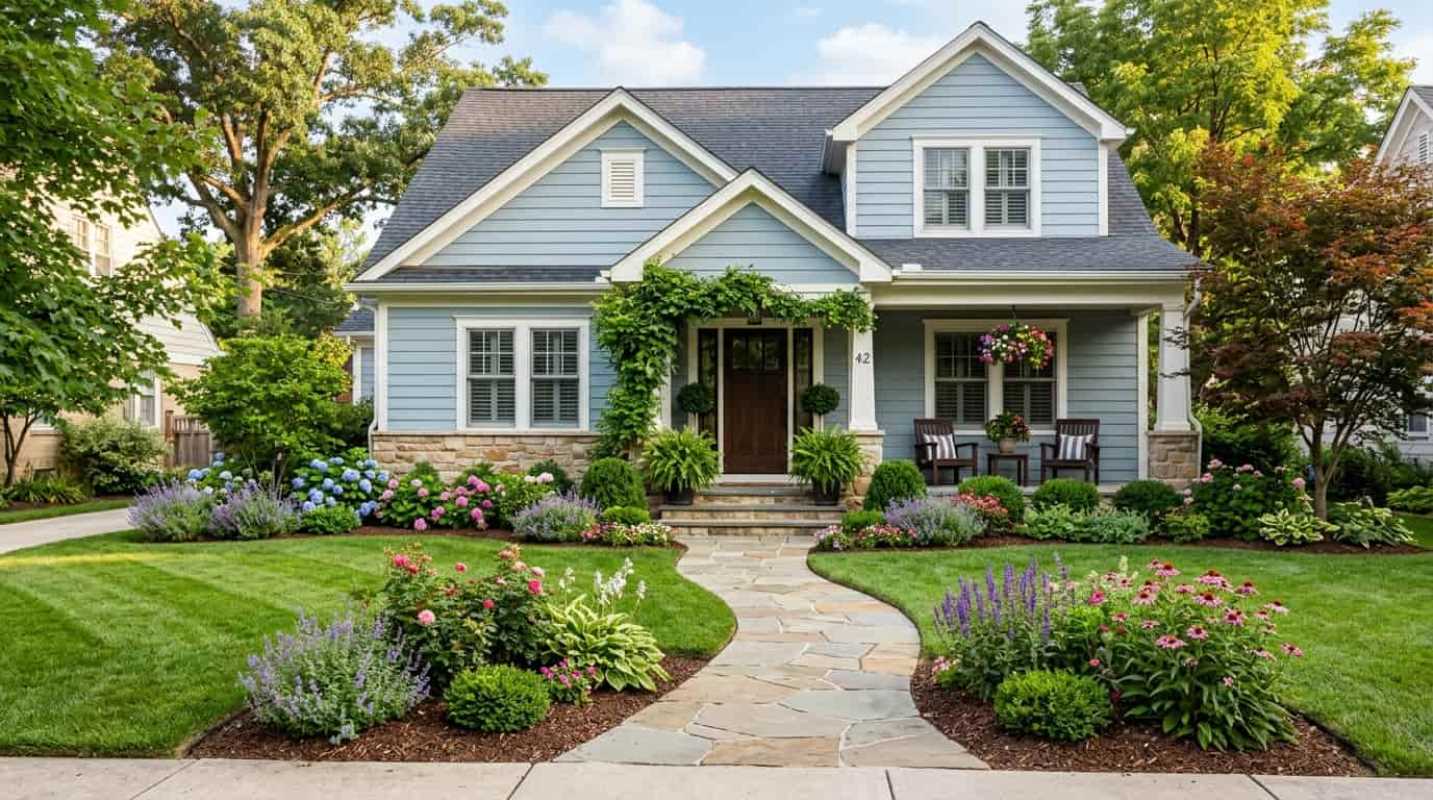
- Use trellises with climbing vines to shade patios and walls.
- Upgrade with Smart Tech:
- Install ceiling fans. They don't lower the temperature, but the airflow can make a room feel several degrees cooler, allowing you to turn up the thermostat.
- Consider adding solar panels. They not only generate clean energy but can also provide an extra layer of shading for your roof.
- Think About Your Outdoor Living Spaces:
- A covered porch or a shaded patio can act as a buffer zone, keeping direct sun off your home’s exterior walls.