You do not need a spare room, a rolling ladder, or walls of mahogany shelving to have a home library. What you need is a corner, a comfortable place to sit, good light, and your books within arm's reach. A well-planned reading nook turns dead space into the most-used spot in the house, a place that quietly invites you to put down the phone and pick up a book. Whether you are working with a wide landing, an awkward alcove, or a single corner of the living room, the same principles apply, and none of them require a renovation.
Find the Right Spot
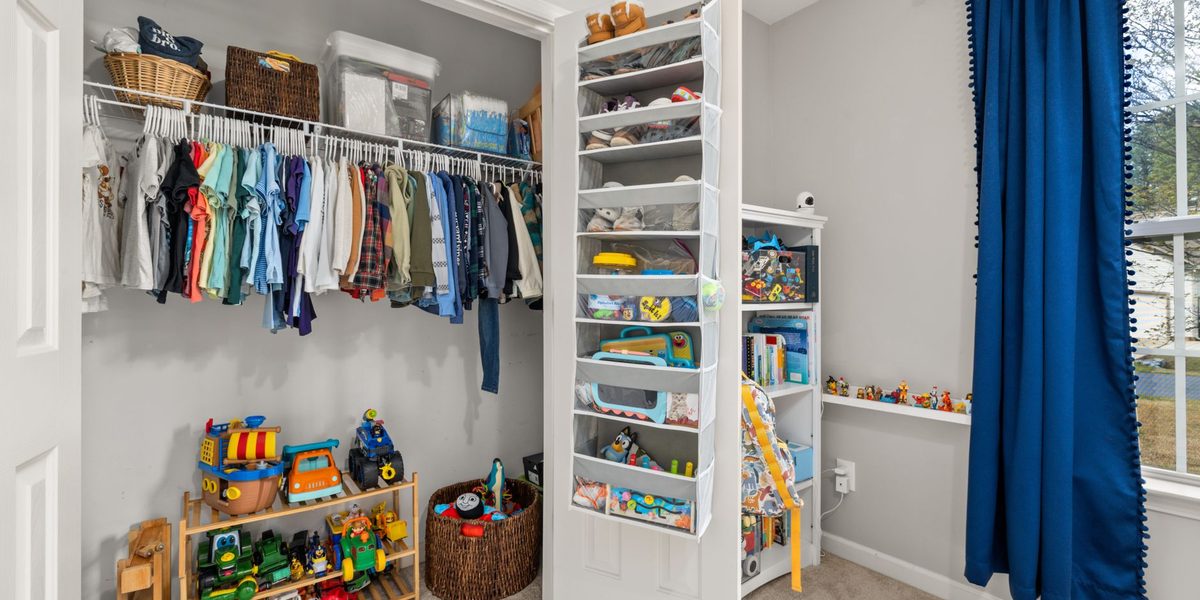
Start by walking your home with fresh eyes and looking for underused real estate. The corner of a bedroom, the space under a staircase, a wide hallway landing, the end of an upstairs corridor, or the area beside a fireplace are all classic candidates. Even a deep closet with the doors removed can become a surprisingly charming reading alcove. The spot does not need to be large; it needs to be out of the main traffic flow so you can settle in without being in everyone's way.
Natural light is a major asset, so a position near a window is ideal for daytime reading, but do not rule out a dim corner. Dimness is fixable with lamps, and some of the coziest nooks lean into their cave-like quality. What matters more is a sense of enclosure. Readers instinctively relax in spaces that wrap around them a little, which is why window seats, alcoves, and corners feel so much better than a chair floating in the middle of a room.
Invest in the Chair First
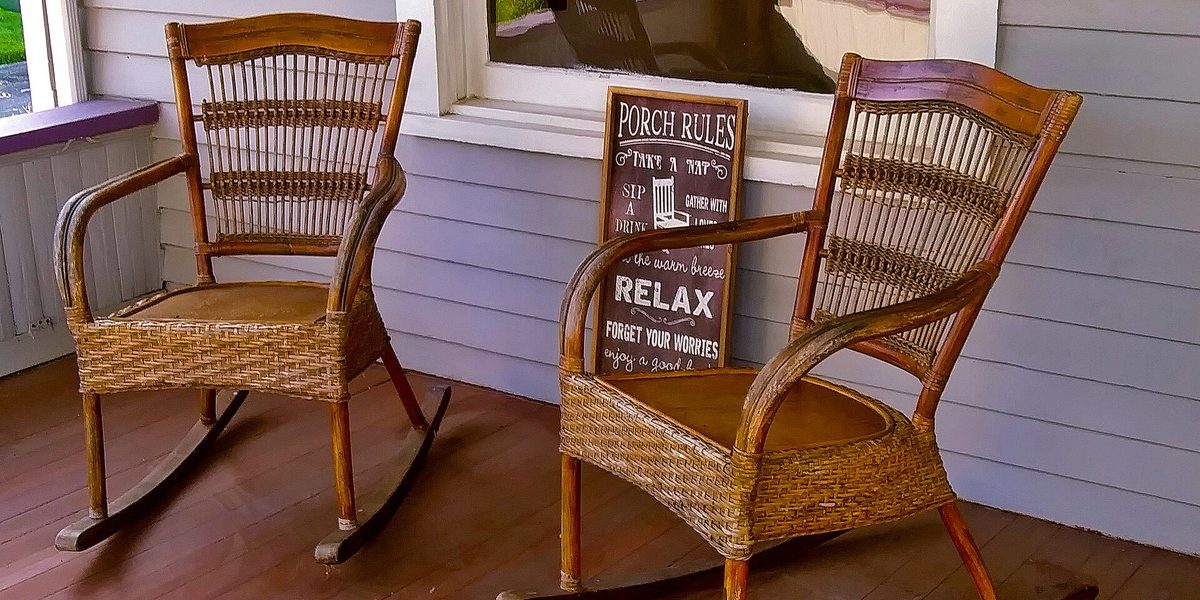
The seat is the heart of the nook, and it is the one element worth spending real money or real hunting effort on. Choose a chair you can sit in for an hour without shifting: supportive back, arms at a comfortable height for holding a book, and a seat deep enough to tuck your feet up if that is how you read. An upholstered armchair with an ottoman is the classic choice, but a chaise, a loveseat, a hanging chair, or a built-up window seat with a thick cushion all work beautifully.
Test before you commit, and test the way you actually read. Sit down, lean back, cross your legs, slouch. If you tend to read curled sideways, armless or low-arm chairs may suit you better than a formal wingback. Add a small side table or a slim shelf within reach for a drink, your glasses, and the next book in the stack. If a table will not fit, a pocket organizer draped over the chair arm handles the essentials.
Do not overlook the footrest. Elevating your feet changes an alright chair into one you can disappear into for an afternoon, and it does not require a matching ottoman. A storage pouffe, a padded bench, even a firm floor cushion does the job while adding another texture to the nook. If the seat doubles as a nap spot, and the best ones eventually do, make sure there is room to stretch out at an angle.
Layer the Lighting
Poor lighting ruins more reading corners than poor seating does. Overhead fixtures alone cast shadows across the page and make a nook feel like an interrogation room, so plan on at least two layers of light. The workhorse is a dedicated reading lamp, either a floor lamp arching over your shoulder or a table lamp beside you, positioned so light falls onto the page from slightly behind and to the side.
Then add ambient warmth. A second small lamp across the nook, string lights along a shelf, or a dimmable wall sconce softens contrast and makes the space glow in the evening. Choose warm-toned bulbs, which feel restful, and put at least one light on a switch or smart plug you can reach from the chair. Nothing undermines a cozy evening like crossing a dark room after the last chapter.
Shelve Books Within Reach
A library nook earns the name by keeping books close. You do not need to house your entire collection here, just the active portion: the to-be-read stack, current favorites, and a rotating selection that makes browsing from the chair a pleasure. Several approaches work well depending on your space:
- A single tall bookcase beside the chair, which also helps enclose the nook
- Floating shelves mounted in the corner or above the seat, keeping the floor clear
- Low shelving at chair height, with the top surface doubling as a side table
- A rolling cart, perfect for renters and easy to restock seasonally
Arrange books loosely rather than packing shelves tight. Leave gaps for a plant, a small lamp, or a favorite object, and face a few covers outward. The goal is a display that tempts you to browse, not an archive that intimidates you.
Add Texture and Softness
Coziness is mostly texture. A soft throw blanket over the chair arm, a plump lumbar pillow, and a rug underfoot transform a functional corner into a retreat. The rug matters even on carpet, because a layered rug visually defines the nook as its own little room within the room. Curtains help too, softening the window and muffling sound.
Keep the palette calm and slightly darker or warmer than the surrounding room. Deep greens, warm terracottas, rich blues, and soft neutrals all signal rest. If painting is an option, coloring just the nook's wall or the back of the shelving creates instant definition. If it is not, a large piece of art or a tapestry behind the chair achieves a similar anchoring effect.
Design Out the Distractions
A reading nook competes with screens, so stack the deck in books' favor. Keep a basket for your phone just outside the nook, or at minimum place the charger across the room. Stock the side table with everything you would otherwise get up for: a coaster, a notepad and pen, bookmarks, reading glasses, and a small tin of whatever you like to snack on while you read.
If the household is noisy, consider the nook's acoustic comfort as well. Bookshelves themselves absorb sound, as do rugs and curtains. A small white-noise machine or a quiet fan can fence off the rest of the house, and a simple signal, like a lit reading lamp meaning do not disturb, helps family members respect the space.
Make It a Habit, Not a Showpiece
The final ingredient is use. A nook that exists only for photographs drifts into becoming a laundry-draping station within a month. Tie the space to a routine: morning coffee with twenty pages, a chapter before bed, Sunday afternoons with the big novel you have been meaning to finish. Keep the current book face-up on the seat as an open invitation.
Refresh the nook seasonally so it keeps pulling you in. Swap the throw for a lighter one in summer, rotate the display shelf, move the chair closer to the window when the light changes. Small updates renew the sense that this corner is cared for and worth your time.
Final Thoughts
A home library nook is less a decorating project than a promise to yourself that reading deserves dedicated space in your life. Claim an underused corner, choose a chair you genuinely love sitting in, layer warm light, and keep a tempting rotation of books within reach. Add softness, subtract distractions, and anchor it all to a daily habit. Do that, and the smallest corner of your home can become the place where you spend some of your best hours.