A porch or patio is the cheapest extra room most homes will ever have, yet many sit empty for half the year, too chilly in spring, too hot in July, abandoned entirely by November. The households that get the most from their outdoor rooms treat the seasons as a design brief rather than a deadline. With a few adjustments at each turn of the calendar, the same modest porch or patio can host morning coffee in April, dinner parties in July, firelit evenings in October, and even a bundled-up mug of something hot in January.
Build an All-Season Foundation
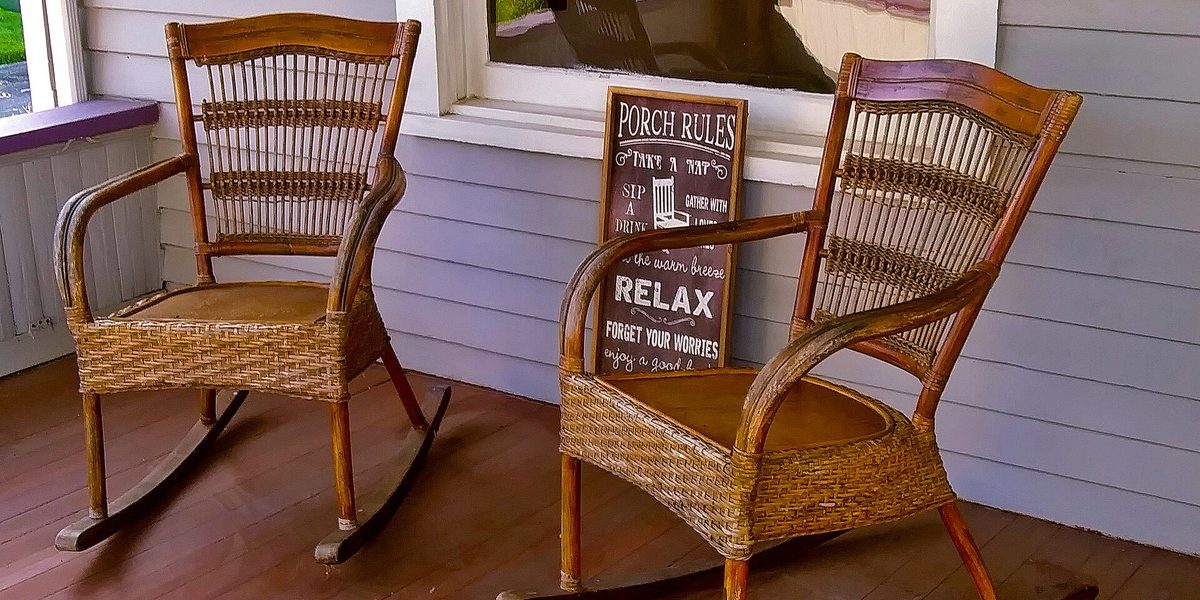
Season-proof living starts with choices that work year-round. Invest in genuinely weather-resistant core furniture, powder-coated metal, teak or polywood, resin wicker, so the bones of the space never need to migrate to the garage. Choose performance fabrics for cushions and keep a deck box or storage bench nearby so soft goods can be stowed fast when weather turns.
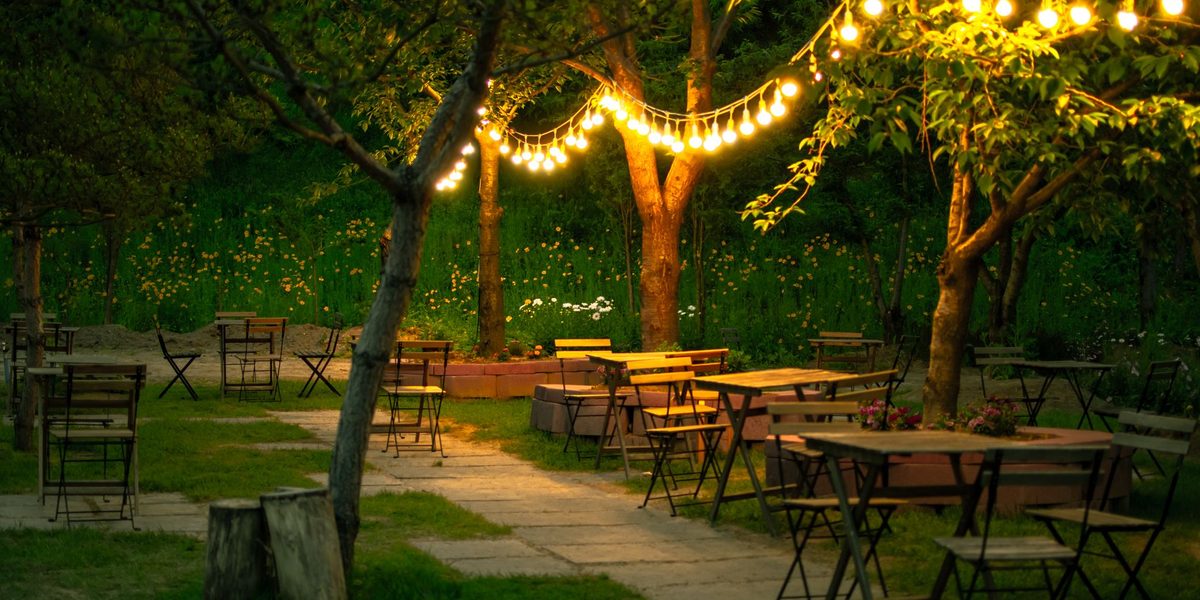
Overhead cover is the single biggest extender of the outdoor season. A roofed porch already has it; a patio can gain it with a pergola, awning, or shade sail. Cover keeps spring drizzle, summer sun, and autumn dew off the furniture, and it is what makes the space usable on the hundred borderline days a year that an open patio loses. Add all-weather lighting, string lights, lanterns, a wall sconce, because for much of the year, outdoor time happens after dark.
Spring: The Wake-Up
Spring on the porch begins with a reset. Wash down railings, floors, and furniture, launder or air cushions, and sweep out the corners where winter collected. Check for what the cold season damaged: wobbly rails, popped nails, flaking paint. A fresh coat on the front door and a new doormat wake up the whole entry for very little money.
Then plant the season's optimism where you will see it: pots of cool-weather flowers, ferns for a shaded porch, window boxes freshly filled. Early spring evenings stay cold, so stage a basket of throw blankets by the door and consider an outdoor rug underfoot, it takes the chill off the floor and instantly makes the space read as a room. Spring is also peak porch-sitting weather for watching rain, which is half the reason to have a roof out there at all.
Summer: Manage Heat, Light, and Bugs
Summer is the season the patio was built for, and the season most likely to drive you back inside. Heat management comes first: shade from an umbrella, sail, or pergola over the main seating, and a ceiling or oscillating fan on a covered porch, moving air makes a hot evening pleasant and discourages flying insects at the same time. Light-colored cushions and surfaces stay cooler than dark ones in full sun.
Insects are the other summer tax. Fans, citronella candles, and keeping standing water emptied handle most of it; screened panels or curtains on a porch handle the rest. Shift your schedule with the sun, mornings and evenings outside, midday indoors, and set up for the season's rituals: a drinks station or cooler so hosts are not sprinting to the kitchen, and a dining setup that makes eating outside the default rather than a production.
Fall: The Coziest Season Outside
Autumn may be the best porch season of all, cool air, no bugs, long golden light, and warmth is the only problem to solve. Solve it in layers:
- A fire feature: a fire pit, chiminea, or outdoor fireplace becomes the gravitational center of every fall evening.
- A patio heater or heat lamp covers the dining or seating zone on nights a fire is too much effort.
- Textiles everywhere: wool and fleece throws in a weatherproof basket, heavier cushion covers, an extra rug layer underfoot.
- Warm drinks within reach: a thermos of cider or cocoa on the side table keeps people planted outside.
Swap summer planters for mums, ornamental kale, and pumpkins, and lean into the season's look, plaid throws and lantern light cost little and make the space irresistible. Fall is also the time to clean and repair before winter: clear leaves from patio drains and porch corners, and give wood surfaces a final seal if they need it.
Winter: Keep a Foothold Outdoors
Most people surrender outdoor space in winter, but a covered porch or sheltered patio can stay in gentle service all season. Keep two chairs and a small table out, positioned for low winter sun and out of the wind, and store a dense blanket or two in a weatherproof chest beside them. A patio heater, or just a hot drink and a heavy coat, makes a crisp sunny afternoon outside genuinely restorative in the dark months.
Protect the rest: clean and cover or store cushions, tip planters or move them against the house, and cover large furniture with breathable covers rather than sealed plastic that traps moisture. Keep pathways and steps safely clear and lit, winter porch time ends quickly with an icy stair, and use warm-white string lights or lanterns through the season; they earn their place most when darkness falls in late afternoon.
Rituals Make the Space a Habit
Gear extends the season, but rituals are what actually get you outside. Anchor one daily habit to the space in every season: coffee on the porch each morning, a screen-free hour after dinner, Friday evenings by the fire, soup lunches outside on bright winter Saturdays. A space with a standing appointment gets used; a space waiting for a special occasion waits all year.
Keep the threshold low. If blankets, lighters, and cushions are buried in the garage, the ritual dies by November. Everything a season's outdoor hour needs should live within arm's reach of the door, stocked and ready, so stepping outside is easier than talking yourself out of it.
Furnish for Flexibility, Not Occasions
Seasonal living rewards furniture that can change jobs. Lightweight chairs that one person can carry chase the sun in spring and the shade in summer. A pair of sturdy stools serve as side tables, extra seats, or plant stands depending on the week. Nesting tables expand for a crowd and tuck away for two. When every piece has a second use, the same small porch reconfigures for morning solitude, a family dinner, or eight people around the fire without anything new being bought or hauled from the basement.
Storage placement is part of the furniture plan. A weatherproof deck box doubles as a bench and keeps cushions, blankets, and candles one step from where they are used; a slim console against the house wall stages drinks and holds lanterns between evenings. The less distance between stored and in-use, the more often the space actually gets set up.
Think vertically on a small porch or balcony, where floor space is the limit. Railing planters, a wall-mounted fold-down table, hanging baskets, and shelf ladders deliver greenery, dining, and storage while leaving the floor free for chairs and feet. A compact space that works through all four seasons will beat a sprawling one that only works in July.
Final Thoughts
Porch and patio living through the seasons is less about buying more and more about adjusting on schedule: refresh in spring, shade and cool in summer, warm and gather in fall, shelter and simplify in winter. Build an all-weather foundation, keep the comforts near the door, and tie one small daily ritual to the space year-round. Do that, and the square footage outside your walls stops being seasonal decoration and becomes what it was always meant to be, the easiest room in the house to love.