Few trips carry higher expectations than a fall foliage getaway. You are chasing a fleeting natural event that refuses to follow a calendar, sharing the roads with everyone else who had the same idea, and betting a precious autumn weekend on the cooperation of weather, latitude, and luck. Yet when it works, when you crest a ridge and the whole valley below is burning in crimson and gold, no trip delivers more beauty per mile. The difference between a disappointing leaf trip and a spectacular one is rarely luck alone; it is planning. Here is how to stack the odds in your favor.
Understand How Color Actually Moves
Fall color is not a date; it is a wave. It begins at high elevations and northern latitudes and flows downhill and southward over many weeks. Northern New England and the high Rockies typically turn first, the mid-Atlantic and southern Appalachians follow, and the color lingers latest in the Deep South's hardwood bottoms and the Ozarks.
Elevation matters as much as latitude. In mountain regions, the summits can be past peak while the valleys are still green, which means a single scenic road that changes elevation can serve up every stage of the season in one afternoon. This is the foliage planner's secret weapon: pick destinations with vertical range and you widen your window dramatically.
Choose Your Region and Its Personality
Every great foliage region offers a different flavor of autumn. New England delivers the postcard version, with sugar maples blazing red over white steeples, farm stands, and stone walls. The southern Appalachians offer the longest season and the biggest vistas, with layer upon layer of ridges in muted golds and russets, plus mild weather for hiking.
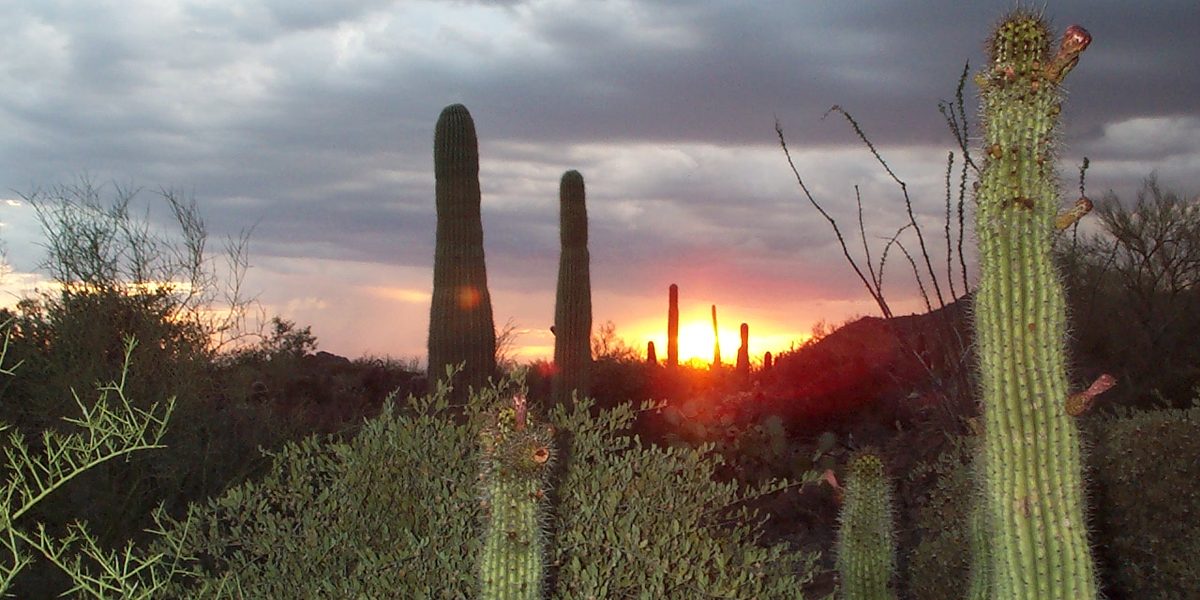
The Upper Midwest pairs birch and maple color with lakeshores, so the show doubles in reflection. The Rockies trade variety for drama, with entire mountainsides of aspen turning a single, luminous shade of gold against dark evergreens. Even the desert has its version, where cottonwoods trace rivers in yellow fire through red rock canyons. There is no wrong answer, only different postcards.
Time It Without a Crystal Ball
Since peak color shifts from year to year, build your plan to tolerate uncertainty rather than trying to eliminate it. Target the historical heart of the season for your chosen region, then favor destinations with elevation range, as noted above, so that some band of the landscape is peaking whenever you arrive.
In the weeks before the trip, consult the foliage trackers and ranger updates that most leaf-country regions publish, and be ready to shift your daily driving north or south, up or down, to follow the color. Booking lodging in a central hub with reach in several directions beats committing every night to a fixed, far-flung route.
Beat the Crowds at Their Own Game
Leaf season compresses a region's entire tourist year into a few weekends, and the famous routes feel it. You cannot avoid other travelers entirely, but you can sidestep the worst of it with a few proven tactics.
- Travel midweek if you possibly can; the same road that crawls on a weekend is often calm by comparison.
- Start at first light, when the color glows, the light is at its photographic best, and the overlooks are empty.
- Pick the parallel road: nearly every famous foliage highway has a quieter neighboring route with comparable views.
- Book lodging well ahead, but book dinner reservations too, since small-town restaurants overflow in peak weeks.
- Use trailheads, not just overlooks; even a half-mile walk thins the crowd to nothing.
Remember that farm country has its own foliage economy of orchards, corn mazes, and cider barns. Visiting these on weekday afternoons rather than weekend ones transforms the experience from a queue into a pleasure.
Build Days Around Light, Not Mileage
Foliage is a light show, and autumn light has a schedule. The low sun of early morning and late afternoon sets leaves aglow and rakes long shadows across hillsides, while midday flattens everything. Structure each day accordingly: drive and shoot in the golden hours, and spend the middle of the day on lunches, museums, farm stands, or a hike beneath the canopy, where overhead light filters beautifully through the leaves at any hour.
Keep daily driving modest. A hundred miles of back roads with frequent stops is a full, rich day, while three hundred miles turns the trip into a windshield tour. The best foliage memories tend to happen stopped: on a bridge over a river full of floating leaves, in an orchard row, at an overlook with coffee steaming in the cold air.
Pack for Swingy Weather
Autumn in leaf country means frosty mornings, warm afternoons, and the occasional cold rain, sometimes all in one day. Layers solve everything: a warm base, a fleece, and a waterproof shell cover the whole range. Add footwear that can handle wet leaves and muddy trails, gloves and a hat for sunrise outings, and a thermos, which pays for its luggage space the first cold morning.
Toss in a daypack, binoculars for ridgeline views and migrating hawks, and more memory and battery for your camera than you think you need. If your trip involves high mountain roads, check conditions before each day's drive, since early-season snow can close passes even while the valleys below glow with color.
Add the Season's Other Pleasures
A foliage trip is richer when leaves are the headline act but not the whole show. Autumn is harvest time, and leaf country overflows with seasonal pleasures: apple orchards and cider mills, pumpkin patches, fall festivals, farmers markets heavy with squash and late tomatoes, and small-town fairs.
Plan one non-leaf anchor per day, such as a farm visit, a village stroll, a brewery or sugarhouse tour, or a scenic railway ride through the color. These anchors give the day structure, provide a fallback if weather dulls the views, and connect you to the living culture of the places the pretty roads pass through.
Make It Easy to Capture
Most travelers come home from leaf trips mildly disappointed in their photos, because cameras struggle with exactly what makes foliage magical: the contrast between glowing leaves and dark trunks, and the sheer scale of a colored hillside. A few habits help. Shoot in the golden hours, as noted, and look for anchors that give the color context, such as a barn, a bridge, a bend of road, or a single bright tree against evergreens, rather than photographing an undifferentiated wall of color.
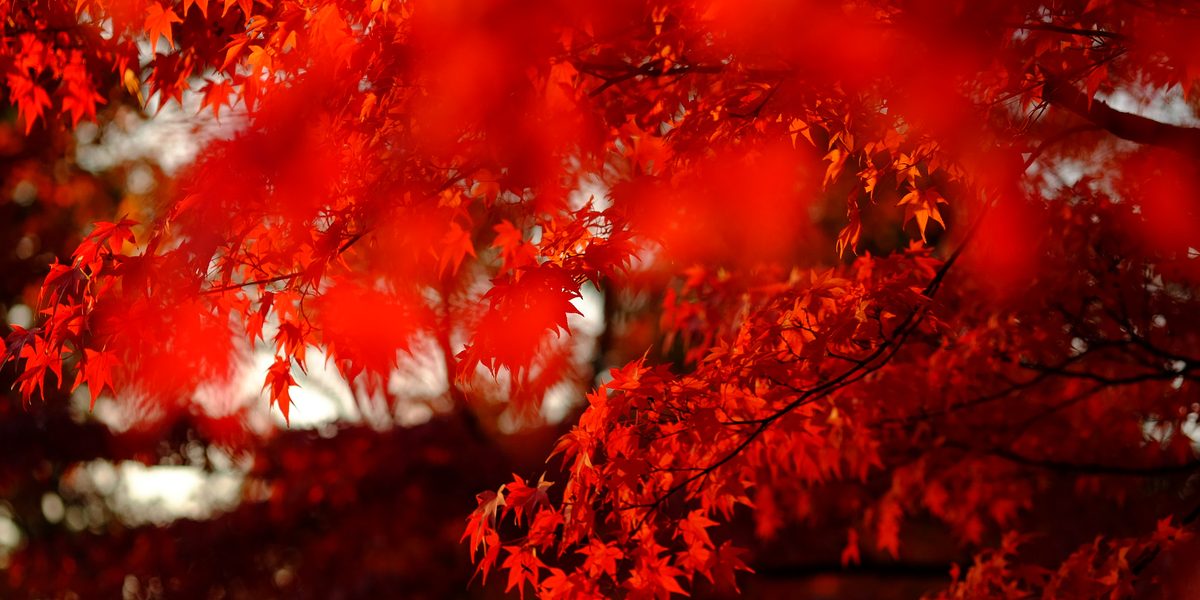
Water doubles everything, so seek out ponds and slow rivers on calm mornings for reflections. Overcast days, far from ruining the trip, saturate reds and oranges beautifully, especially for close shots of leaves against wet bark. And set a personal rule to put the camera down at each stop for a minute or two first; the trip is for your eyes before it is for your feed.
Final Thoughts
You cannot schedule peak color, but you can plan a trip that succeeds in any color conditions, built on flexible routing, elevation range, early starts, midweek travel, and days that follow the light. Do that, and even an off-peak week delivers golden back roads, warm cider, and crisp air that no summer trip can match. And when the timing does align, when you round a bend into a tunnel of scarlet maples with the morning sun behind them, you will be very glad you left room in the plan to simply pull over and stare. Autumn only offers so many of those mornings in a lifetime, which is the best reason of all to start planning the trip now rather than someday.