There may be no better excuse for a coastal drive than a string of lighthouses. Each one gives the day a destination, the road between them hugs the shoreline by necessity, and the stops come with built-in drama: cliffs, harbors, crashing surf, and towers built to be seen from miles away. A lighthouse road trip is really a structured way of wandering a coast, with history and photography threaded through it, and it works equally well as a long weekend or a meandering week. You do not need to be a lighthouse buff when you start. Most people are by the second tower. Here is how to plan the route, climb the stairs, and catch the light at its best.
Why Lighthouses Make Perfect Waypoints
Road trips live or die by their rhythm, and lighthouses solve the rhythm problem beautifully. They are spaced the way a traveler wants stops to be spaced, close enough that the next one is always reachable, far enough that the drive between them counts, because they were positioned to cover stretches of dangerous coast. Navigating beacon to beacon pulls you off the fast inland highway and onto the shore roads, through the fishing towns, past the coves and overlooks you would otherwise never meet.
Each stop also varies more than you would expect. One lighthouse stands at the end of a half-mile breakwater walk, the next crowns a headland above seal-covered rocks, a third sits in a village where the keeper's house is now a museum, and a fourth is an offshore silhouette best admired from a beach with a picnic. The theme is constant; the experiences never repeat.
Plan the Route Around the Coast, Not the Count
The classic beginner mistake is maximizing lighthouses per day. Resist it. Three or four stops a day is the sweet spot, leaving room for the walks, the climbs, the chowder, and the unplanned pull-offs that end up defining the trip. Map the beacons along your chosen coast, note which are climbable, which have museums, and which are view-only, and then build days that mix one marquee stop with a couple of quick ones.
- Drive one direction along the water, planning the route so the ocean sits on the passenger side for easy pull-offs and views.
- Check access before you commit, since some towers sit on protected or private land, some require boats, and some are seasonal.
- Note climbing schedules, because towers open limited hours and stair access can sell out on summer weekends.
- Leave slack in every afternoon, as the best coastal discoveries are rarely on the itinerary.
A loop that goes out along the shore and returns by the fast road gives you the scenery without repeating it, and positions you to revisit the single best stop a second time in better light.
Climb the Towers That Let You
A lighthouse admired from the parking lot is a photograph; a lighthouse climbed is an experience. Where towers are open, pay the modest fee and take the spiral stairs, which are usually a tight, atmospheric corkscrew of iron or stone with landings where keepers once rested with oil cans in hand. The reward at the top is a view the coast offers nowhere else, plus a close look at the lens room, where the optics that threw light across miles of dark water still sit in many towers.
Climbs come with practicalities. Stairs are steep and narrow, with traffic in both directions, so wear real shoes, carry little, and let faster climbers pass at landings. Height minimums for children and closures in high wind are common and worth checking on the day. Travelers who prefer to skip the stairs lose nothing essential, since the keeper's quarters, fog signal buildings, and grounds usually hold the best exhibits, and the towers photograph better from below anyway.
Meet the Keepers in the Museums
The towers draw you in, but the stories keep you. Lighthouse museums, often housed in the keeper's dwelling, preserve one of the most quietly heroic ways of life a coast has ever supported: families tending the light through storms, rowing out to wrecks, hauling supplies up cliff stairs, and logging every lamp-lit night in copperplate handwriting. Give these small museums real time, since the logbooks, lens mechanisms, and rescue accounts turn each subsequent lighthouse on your route from scenery into story.
Volunteers at these sites are frequently descendants of keepers or retired mariners, and a few questions can unlock the anecdotes no placard carries, like which storms rearranged the coastline, which wrecks the town still talks about, and which light the locals quietly consider theirs. By midway through a lighthouse trip, most travelers find the human history has overtaken the architecture as the thing they are actually chasing.
Chase the Light Around the Lights
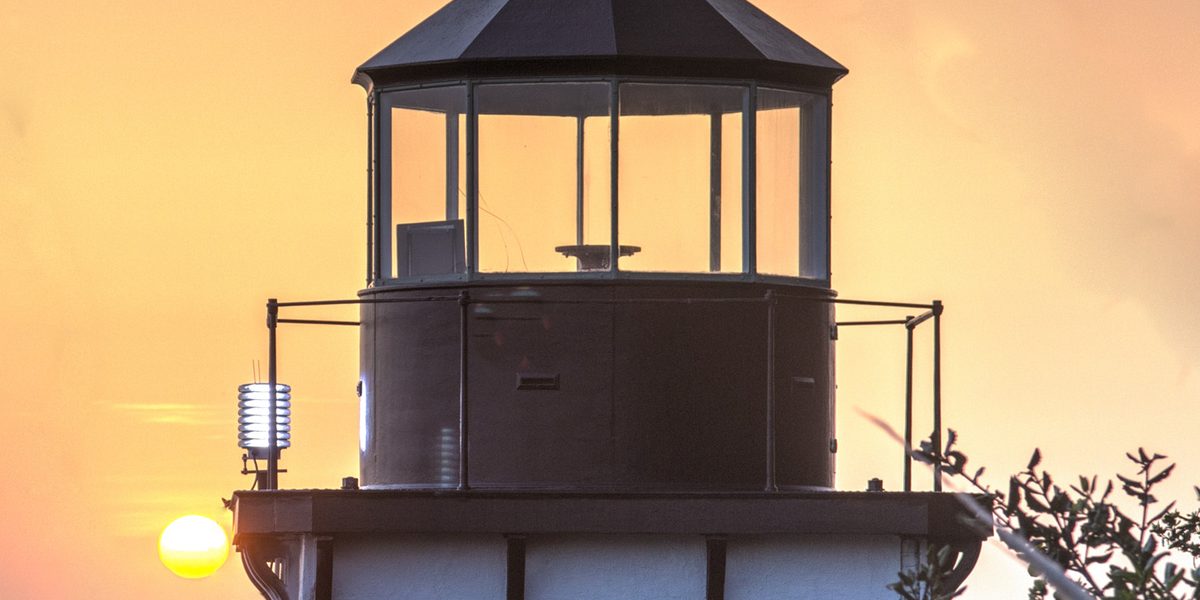
Lighthouses are among the most photogenic structures ever built, and they teach photography almost by accident. The same tower is a different subject at every hour: crisp and nautical in morning sun, stark at noon, golden and long-shadowed late in the day, and at its most magical in the half hour after sunset, when the beam becomes visible against a deepening sky. If one lighthouse on your route matters most to you, schedule it twice, once for the exploring and once for dusk, when the light turns on.
Work the angles as well as the hours. The postcard shot from the parking area is fine, but the memorable frames come from the beach below, the far side of the harbor, the trail along the bluff, with the tower small against weather and water, as mariners actually saw it. Fog, spray, and storm light are gifts, not obstacles, because a lighthouse in bright blue calm is pretty, while a lighthouse doing its job is unforgettable.
Savor the Spaces Between
The honest secret of a lighthouse road trip is that half its best moments happen nowhere near a lighthouse. The beacons justify the route; the route delivers the fishing harbors at unloading time, the roadside seafood shacks, the tide pools under the headland, the detour to the ferry, the small maritime museums, and the beaches that appear around corners without warning. Say yes to these. A rigid lighthouse itinerary that skips the boat tour or the harbor lunch has confused the map for the territory.
Base yourself in the small coastal towns rather than the highway hotels, and the trip deepens further. An inn near the harbor means an evening walk to the jetty, a chance at sunrise over the water, and breakfast among people who work the coast rather than visit it. Two nights in one town, with a day loop of lighthouses in each direction, often beats a different bed every night.
Pack for Wind and Wander
Lighthouse country is exposed country, and the packing list is coastal at heart: a windproof layer regardless of season, a warm layer underneath for headlands that run colder than towns, sun protection for the glare that comes off the water, and shoes that handle breakwaters, cliff paths, and wet grass. Binoculars earn their place every single day, for seals, seabirds, passing ships, and distant towers, and a small daypack keeps hands free on the climbs and jetty walks.
In the car, keep the coast-trip basics close: water, snacks for stretches where cafés thin out, a paper map or downloaded maps for signal-poor shores, and a dry bag or zip-top for phones in spray. Check tide times where any walk crosses low ground, and treat posted warnings at cliff edges and breakwaters with full seriousness, since the same sea that made the lighthouses necessary is still on duty.
Final Thoughts
A lighthouse road trip is a conspiracy between history and geography to show you a coastline properly. Let the beacons set the route, climb the towers that invite you, give the keepers' stories their due, and return to the best light at dusk, when the beam wakes up. Keep the schedule loose enough for the harbors and chowder stops between, because they are not interruptions; they are the coast itself. Drive slowly, stop often, and let each light hand you on to the next.