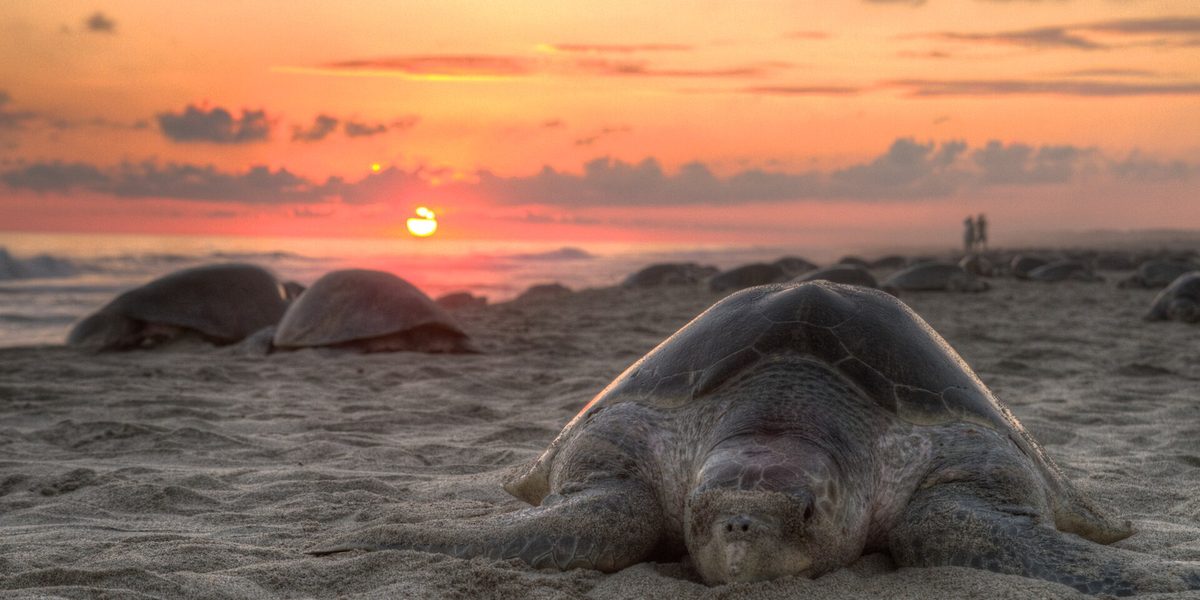
The Gulf Coast has a reputation problem. Mention it to most travelers and they picture high-rise condo canyons, packed spring-break beaches, and traffic crawling along a strip of souvenir shops. That version of the Gulf exists, but it occupies a surprisingly small fraction of a shoreline that stretches for well over a thousand miles across five states. Beyond the famous resort towns lie barrier islands reachable only by boat, protected seashores where sea turtles outnumber umbrellas, and fishing villages where the loudest sound at dusk is a pelican hitting the water. If your idea of a beach day involves space, quiet, and unobstructed horizon, these are the places to look.
Why the Quiet Stretches Stay Quiet
The Gulf's calm, warm, shallow water is remarkably consistent, so the difference between a mobbed beach and an empty one usually comes down to access and amenities rather than the quality of the sand. Crowds concentrate where there are high-rise rentals, ample parking, and restaurants within walking distance. Remove any one of those ingredients and visitation drops dramatically.
That means the formula for finding solitude is simple: look for protected land where development is prohibited, islands that require a ferry or private boat, and small towns whose economies still revolve around shrimping rather than tourism. You trade convenience for tranquility, so pack accordingly, with water, shade, and food in the car.
The Forgotten Coast of the Florida Panhandle
East of the Panhandle's busy resort corridor, the shoreline bends south and the condos abruptly stop. This stretch, known locally as the Forgotten Coast, holds some of the prettiest and least developed beaches in Florida. St. George Island offers miles of dune-backed sand with a state park occupying its entire eastern end, where boardwalks cross rolling dunes to beaches that feel private even in peak season.
Nearby Cape San Blas curls into the Gulf like a fishhook, and the park at its tip regularly ranks among the finest beaches in the country while remaining blissfully low-key. The towns here, including Apalachicola and Port St. Joe, serve exceptional oysters and seafood without a single beachfront tower in sight.
Alabama's Undeveloped Edge
Alabama's coast is short, and its two main beach towns can get busy, but a remarkable amount of quiet shoreline hides in plain sight. The Fort Morgan peninsula, stretching west from the resort area toward the mouth of Mobile Bay, offers miles of beach backed by low dunes and weekend homes rather than hotels. At its very tip, a historic fort anchors a windswept point where you can watch dolphins work the pass.
Just offshore, Dauphin Island maintains an old-fashioned, family-run character. Its western end thins into a long ribbon of sand where walkers quickly leave the parking areas behind, and its bird sanctuary makes it one of the best spots on the coast to see spring migrations.
Mississippi's Barrier Islands
Few travelers realize that a chain of wild barrier islands sits roughly ten miles off the Mississippi mainland, protected as a national seashore. Ship Island, reached by a seasonal passenger ferry, is the most accessible, with a historic fort, a lifeguarded swim beach, and a boardwalk across the island to a Gulf-facing shore that stays uncrowded simply because every visitor had to arrive by boat.
The ferry ride itself doubles as a dolphin-watching cruise, and the water on the islands' south side is noticeably clearer than along the mainland. Bring everything you need for the day, because beyond the small snack stand there are no services, and that is exactly the point.
Texas Beyond the Spring Break Scene
Texas owns the longest stretch of undeveloped barrier island in the world, a national seashore running south from Corpus Christi for more than sixty miles. The first few miles are drivable in any vehicle, and the crowds thin with every mile marker. High-clearance vehicles can continue far down the island, where campers set up beside the dunes and the only neighbors are coyotes and shorebirds.
Farther north, towns like Port Aransas and Rockport mix working harbors with laid-back beaches, and the bayside flats draw anglers and birders in equal numbers. Even on summer weekends, a short walk past the main access points yields long stretches of sand to yourself.
Louisiana's Working Shoreline
Louisiana is the Gulf state least associated with beach vacations, which is precisely why its shoreline rewards the curious. Grand Isle, the state's only inhabited barrier island, has a state park on its eastern tip with a fishing pier, a swimming beach, and an observation tower overlooking the marsh. The island's culture revolves around fishing, and visiting feels like stepping into a community rather than a resort.
The beaches here are browner and the water less clear than in Florida, but the sunsets over the Gulf, the bird life, and the seafood more than compensate. Come for the atmosphere and the fishing rather than postcard sand, and you will leave charmed.
Florida's Nature Coast and Hidden Southwest Islands
Between the Panhandle and the busy beaches of the southwest peninsula, Florida's Big Bend curves through salt marsh and cedar islands where the coast is more about kayaks than beach towels. Cedar Key, an old fishing village on a cluster of small islands, offers a tiny city beach, wonderful clam chowder, and sunsets that draw the whole town to the dock. It is the Gulf at its most unhurried.
Farther south, even the famously popular barrier islands hide quiet corners. Cayo Costa, a state park island near the busy harbors of the southwest coast, is reachable only by ferry or private boat and delivers nine miles of shell-strewn beach with campsites and cabins but no cars. Day visitors who catch the morning ferry often find they can walk fifteen minutes and see no one at all, a startling experience in a region known for packed sand.
How to Plan a Low-Key Gulf Beach Trip
Quiet beaches demand a little more self-sufficiency than resort strips, and a few habits make the difference between a magical day and a frustrating one.
- Arrive early, not to beat crowds, but to claim shade and catch the calm morning water, which is usually the clearest of the day.
- Pack a cooler, plenty of water, and more sunscreen than you think you need, since many of these beaches have no vendors at all.
- Check ferry schedules and park entry rules before you go, as access points on protected land can close when lots fill or weather turns.
- Respect the dunes and posted nesting areas; these beaches stay beautiful because visitors tread lightly.
- Keep an eye on the forecast, because summer afternoons on the Gulf often bring fast-moving storms.
Shoulder seasons are the secret weapon of Gulf travel. Late spring and early fall bring warm water, mild air, and a fraction of the summer visitation, and locals will tell you those months are when the coast is at its best.
Final Thoughts
The Gulf Coast's crowded beaches are crowded for understandable reasons, but they represent a narrow slice of what this shoreline offers. For every high-rise strip there is a ferry-access island, a sleepy fishing village, or a protected seashore where the sand squeaks underfoot and the horizon is empty of everything except shrimp boats. Seeking out these quieter places takes slightly more planning and a willingness to carry your own cooler, but the reward is the beach as it was meant to be experienced: unhurried, uncluttered, and entirely yours for the day. Start with one quiet stretch this season, learn its rhythms, and you may never fight for a spot on the crowded sand again.