Somewhere along the way, driving became something to endure rather than enjoy, a blur of mile markers between where you are and where you want to be. Scenic byways exist to reverse that. These are roads chosen and preserved precisely because the journey along them is the destination: parkways with no billboards or trucks, coast roads carved into cliffs, high passes that tunnel through stone, and farm routes that roll past covered bridges. Driving them well requires a shift in mindset, from making time to taking it. Here are the byways most worth that shift, and how to get the most from the slow lane.
The Blue Ridge Parkway: The Long, Gentle Masterpiece
Running hundreds of miles along the crest of the southern Appalachians between two national parks, the Blue Ridge Parkway may be the purest expression of the scenic road idea. There are no stop signs, no billboards, and no commercial traffic, just a ribbon of pavement curving through tunnels of rhododendron, past split-rail fences, and out onto overlooks where ridgelines fade into blue haze.
The parkway rewards sampling rather than conquering. Pick a section near towns like Asheville or Boone, drive it slowly in both directions, and stop for the short trails to waterfalls and summit views that begin right at the pullouts. Mornings bring fog pooled in the valleys below; evenings bring light that photographers chase for lifetimes.
Going-to-the-Sun Road: Drama at the Top of the World
In Montana's Glacier country, a single road climbs across the spine of the continent, clinging to cliff faces above valleys scooped out by ice. Waterfalls splash onto the pavement, mountain goats watch from ledges, and the view changes from forest to alpine garden to bare rock in the space of an hour.
This is a summer-only drive, and it demands planning: the high section opens late and closes early in the year, vehicle sizes are restricted, and access rules can apply in peak season. The effort is justified the moment the road swings around its most famous bend and the whole glacial valley opens beneath you. Drive it early in the day, and consider the park shuttle if you would rather gawk than grip the wheel.
The Pacific Coast: Cliffs, Fog, and Crashing Surf
The highway tracing California's central coast needs little introduction: it is the standard against which cliff-hugging coastal drives are measured. Bridges arc over rocky coves, sea stacks rise from the surf, and pullouts deliver views of whales spouting offshore in season.
Drive it from north to south so the ocean sits on your side of the road, fill the tank before the remote stretches, and check road conditions ahead of time, since slides occasionally close segments. Farther north, the coast roads of Oregon and Washington continue the show with lighthouses, dunes, and fishing towns, often with a fraction of the traffic.
Desert Byways of the Southwest
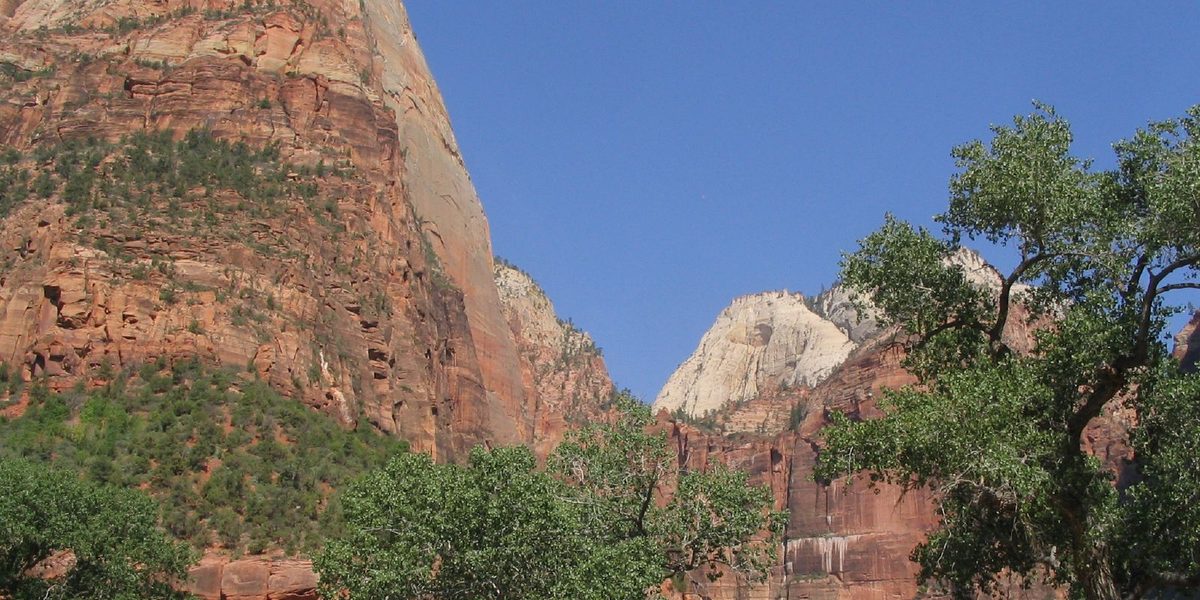
The Southwest treats drivers to roads that feel borrowed from another planet. A scenic route through southern Utah crosses slickrock domes and river canyons in a hundred miles of nearly uninterrupted spectacle, cresting a ridge where the land falls away on both sides. Other desert drives thread valleys of red monoliths or climb from cactus flats to cool pine forests in a single afternoon.
Desert driving rewards preparation: carry water, mind the fuel gauge, and avoid midsummer midday hours. In exchange you get the emptiest roads on this list and sunsets that turn the whole landscape to embers.
River Roads and Farm Country
Not every great drive needs mountains or surf. The Great River Road shadows the Mississippi for its entire length, and its northern stretches, where the river runs beneath wooded bluffs past eagle-watching towns, make a superb two-day meander. In Appalachia and New England, farm byways roll past covered bridges, sugarhouses, and valley views that peak during foliage season.
These gentler byways shine because of what sits beside them: pie shops, farm stands, river overlooks, and small museums. Plan meals along the route rather than at the end of it, since the roadside cafe is half the experience on a rural drive.
The Natchez Trace: Driving Through Deep Time
Stretching from the hills of Tennessee to the river bluffs of Mississippi, the Natchez Trace Parkway follows a travel corridor older than the nation itself, worn first by animals and native peoples, then by boatmen walking home upriver. Like its Blue Ridge cousin, it bans trucks and billboards, and its speed limit enforces the unhurried mood.
What sets the Trace apart is its layering of history along the roadside. Pullouts lead to sunken sections of the original footpath, ancient ceremonial mounds, old stands where travelers once slept, and cypress swamps crossed on boardwalks. The scenery is quieter than the mountain parkways, all meadow, forest, and split-rail fence, but the drive accumulates a meditative rhythm that regulars come to crave. Spring dogwoods and fall color are the showpiece seasons, and the towns just off the parkway serve some of the South's best small-town meals.
The Art of the Slow Drive
A byway drive fails when it is treated like a commute with better views. A few habits transform it.
- Cut your planned mileage in half; a hundred byway miles with stops fills a day more satisfyingly than three hundred rushed ones.
- Stop at the first overlook that tempts you, because the regret of skipped pullouts compounds all day.
- Use pull-offs to let faster traffic pass, which keeps the drive relaxed for everyone.
- Keep snacks, water, and a paper map in the car, since the best byways often outrun cell coverage.
- Build in one short walk per day, because the finest views are frequently a quarter mile from the parking area.
- Start early and finish before dusk, when wildlife moves and mountain light vanishes quickly.
Think of the itinerary as a skeleton rather than a script. The drives that people remember are the ones where they turned down the unmarked road to the lookout, or stayed an extra hour at the river because the light was good.
Timing and Seasons
Every byway has a season when it shows off. High mountain roads open only in the warm months and are at their flower-strewn best in midsummer. Foliage routes in the Appalachians and New England peak over a few precious autumn weeks, when weekday drives beat weekend ones by a wide margin. Desert byways favor spring and fall, and coastal drives trade summer fog for crystalline skies in the fall.
Weather is part of the experience rather than an enemy of it. Fog on a mountain parkway or a storm rolling across the desert can be the most memorable sight of the trip, provided you drive to conditions and keep plans loose enough to wait things out with a coffee. Check official road status pages the morning of your drive, since byways close for weather, slides, and maintenance more often than ordinary highways, and the detours in remote country can be long. A flexible plan with a backup route is the slow driver's best companion.
Final Thoughts
Scenic byways preserve a truth the interstate era nearly erased: a road can be a place, not just a way between places. Whether you give a weekend to the Blue Ridge, a morning to a glacier-carved pass, or a lazy afternoon to a river road with pie stops, the slow drive returns something rare, which is the feeling of having actually traveled through a landscape rather than past it. Pick a byway, subtract the hurry, and let the road do what it was built to do.