The national parks are often called America's best idea, but for a first-time visitor they can also feel like America's most intimidating one. Which park do you choose out of dozens? Do you need reservations, hiking boots, bear spray, a four-wheel drive? The truth is far friendlier: several of the most spectacular parks in the system are also the easiest to visit, with scenic drives, short walks to famous views, and visitor centers designed to turn beginners into enthusiasts. This guide covers the parks that reward first-timers most generously, and the handful of planning habits that make any park trip run smoothly.
What Makes a Park Good for Beginners
A great first park delivers its headline scenery without demanding wilderness skills. Look for parks with a well-designed scenic road, viewpoints a short stroll from parking, a range of easy-to-moderate trails, and services such as lodges, shuttle buses, and ranger programs.
Just as important is matching the park to your travel style. If you love road trips, choose a park organized around a famous drive. If you prefer a base-camp style vacation, pick one with a gateway town full of lodging and restaurants. First trips succeed on comfort and wow factor, and the parks below supply both.
Great Smoky Mountains: The Welcoming Giant
The most visited national park in the country earns its popularity by being easy. Sitting on the Tennessee and North Carolina border within a day's drive of a huge share of the population, the Smokies ask for no entrance reservations and offer their beauty in layers, from roadside streams and historic log cabins to misty ridgeline overlooks.
First-timers should drive the high road across the crest of the range, stroll a quiet valley where deer and wild turkeys graze among pioneer homesteads, and walk at least one waterfall trail. The surrounding gateway towns provide every comfort imaginable, which makes the Smokies an ideal trial run for families unsure how much wildness they want.
Yellowstone: The Greatest Hits of the Natural World
Yellowstone is less a park than a collection of wonders stitched together by a figure-eight road. Geysers erupt on schedule, hot springs glow in improbable colors, a canyon drops away in yellow and pink stone beneath twin waterfalls, and herds of bison stop traffic as casually as weather. No other park delivers so much variety with so little hiking required.
The scale demands respect: plan at least three days, book lodging far ahead, and treat animal traffic jams as part of the show. Boardwalk loops through the geyser basins are flat and family-friendly, and ranger talks turn the strangeness of the place into stories kids remember.
Grand Canyon: The Essential View
Some sights live up to a lifetime of hype, and the Grand Canyon is one of them. The south rim is built for first-time visitors, with a free shuttle system linking overlooks, a flat rim trail where every bench faces a masterpiece, and historic lodges perched at the edge.
The secret to a great first visit is time of day. Arrive for sunrise or stay through sunset, when the canyon's walls light up in bands of color and the crowds thin. If you walk even a short distance down into the canyon, remember the cardinal rule that going down is optional and climbing back up is mandatory, and budget twice the time for the return.
Zion: Walking Into the Scenery
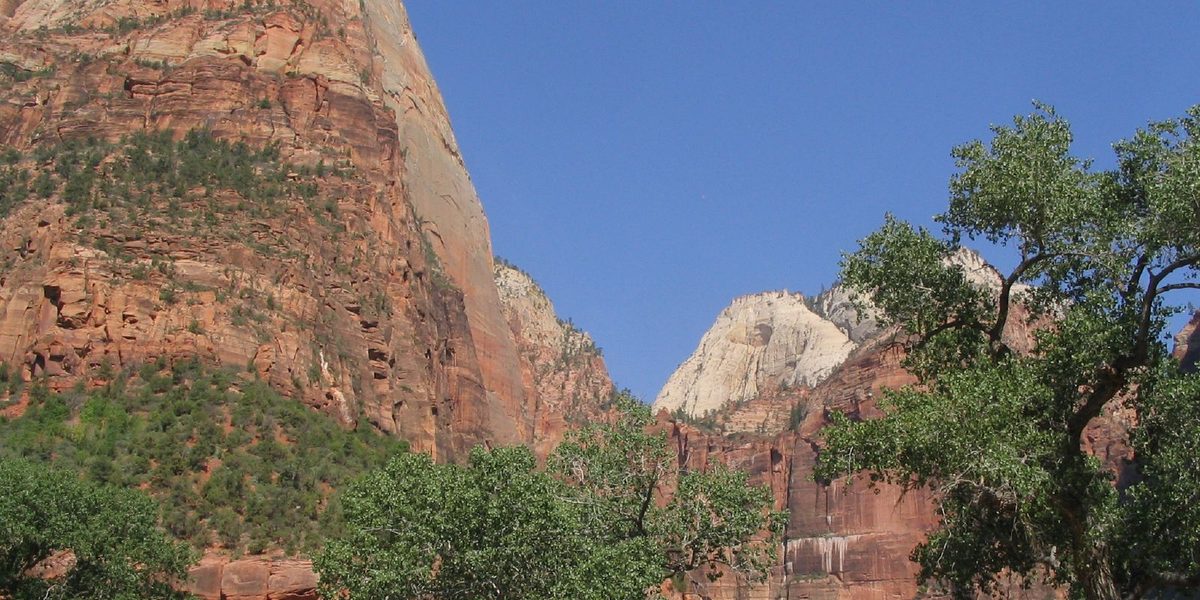
Zion flips the usual park experience: instead of looking down from rims, you stand on the canyon floor looking up at sandstone walls glowing in shades of cream and crimson. A shuttle whisks visitors up the canyon, and paved riverside paths make the heart of the park accessible to nearly everyone.
Adventurous first-timers can wade the river itself where the canyon narrows to a slot, one of the most memorable easy adventures in the park system. Zion pairs naturally with other nearby parks on a road trip, including a canyon famous for its amphitheaters of orange stone spires, letting one trip collect several wonders.
Acadia: The Gentle Introduction in the East
On the coast of Maine, Acadia compresses granite summits, spruce forests, lakes, and a rocky shoreline into a compact park laced with carriage roads built for walking and cycling. A scenic loop road hits the highlights, including a thunderous shoreline chasm and a summit road with sunrise views over the Atlantic.
Acadia's gateway town sits right at the park entrance, full of lobster shacks and inns, which makes the park an easy choice for travelers who want their nature in day-sized portions with a harbor dinner at the end.
Rocky Mountain: Alpine Drama Close to the City
For travelers starting from the middle of the country, Rocky Mountain National Park offers the fastest route from airport to alpine wonder. Less than two hours from a major hub, the park's signature road climbs above the tree line into tundra where marmots whistle from the rocks and snow lingers beside the pavement deep into summer.
First-timers can sample everything in a day or two: a morning drive to the high overlooks, an afternoon walk around a chain of easy subalpine lakes, and an evening in the meadows listening for elk. The gateway town at the park's edge supplies lodging, taffy shops, and outfitters, and the park's shuttle system makes popular trailheads reachable without parking stress. Just remember the altitude, and take the first day gently while your lungs adjust.
Planning Habits That Make Any Park Trip Better
Whichever park you choose, a few practices separate smooth trips from stressful ones.
- Check the park's official site before booking anything, since some parks require timed entry or shuttle use in peak season and policies change.
- Start your days early; the hour after dawn offers the best light, the most wildlife, and the emptiest parking lots.
- Pack layers, more water than seems necessary, and real walking shoes, even if you plan only short strolls.
- Stop at the visitor center first and ask a ranger to tailor suggestions to your group and the day's conditions.
- Choose a home base close to the entrance you will use most, because parks are bigger than maps suggest and backtracking devours vacation hours.
- Leave room for the unplanned: the pullover you did not schedule often becomes the moment you remember.
Treat wildlife with distance and respect, store food properly, and stay on trails, both for safety and because these places survive on the care of their visitors. The parks reward good guests.
Timing matters as much as tactics, because season shapes the park experience as much as geography. Summer offers full access and full crowds, while late spring and early fall deliver the same scenery with easier parking and cooler trails; desert parks like the Grand Canyon and Zion are at their best outside the hottest months, while mountain parks open their high roads only in the warmer half of the year. If summer is your only option, lean on early mornings and evenings, and plan midday for picnics, visitor centers, or a swim rather than contending for trailhead parking. The park at seven in the morning and the park at noon can feel like two different places, and the early version is always the better one.
Final Thoughts
Your first national park visit is the start of a habit, not a box to check. Choose a beginner-friendly park that matches your travel style, give it more days than seems necessary, and let the rangers, scenic drives, and short trails do the heavy lifting. Somewhere between a geyser eruption, a canyon sunrise, and a quiet mountain morning, you will understand why people spend lifetimes collecting these places, and you will already be planning the next one.