Most travelers treat botanical gardens as a pleasant filler, something to do for an hour between the museum and dinner. That is a quiet mistake. The world's great gardens are destinations in their own right: living museums where the collection changes weekly, landscapes designed by generations of artists who worked in a medium that grows, and some of the most restorative public spaces ever built. Plan a trip around one, rather than squeezing one into a trip, and you experience it the way it was meant to be experienced, which is slowly, at the right season, with time to sit down. Here is how to choose a garden worth the journey and visit it like someone in on the secret.
What Separates a Great Garden from a Nice Park
A park offers green space; a great botanical garden offers a narrative. Its collections are curated the way art museums curate, with plants gathered from around the world, arranged by region, habitat, or theme, and labeled so that a stroll doubles as a journey through deserts, cloud forests, and alpine meadows in an afternoon. The best gardens layer in history as well, with centuries-old trees, glasshouses that are architectural landmarks, and beds that have been continuously replanted longer than most countries have had their current borders.
Scale and craft are the other tells. A destination-grade garden rewards a full day, with distinct zones that feel like separate worlds: a rose garden at peak, a shaded fern dell, a water garden engineered for reflections, a rock garden tucked with miniatures. When you find yourself planning a return visit before you have left, you are in the right kind of garden.
Time Your Visit to the Bloom Calendar
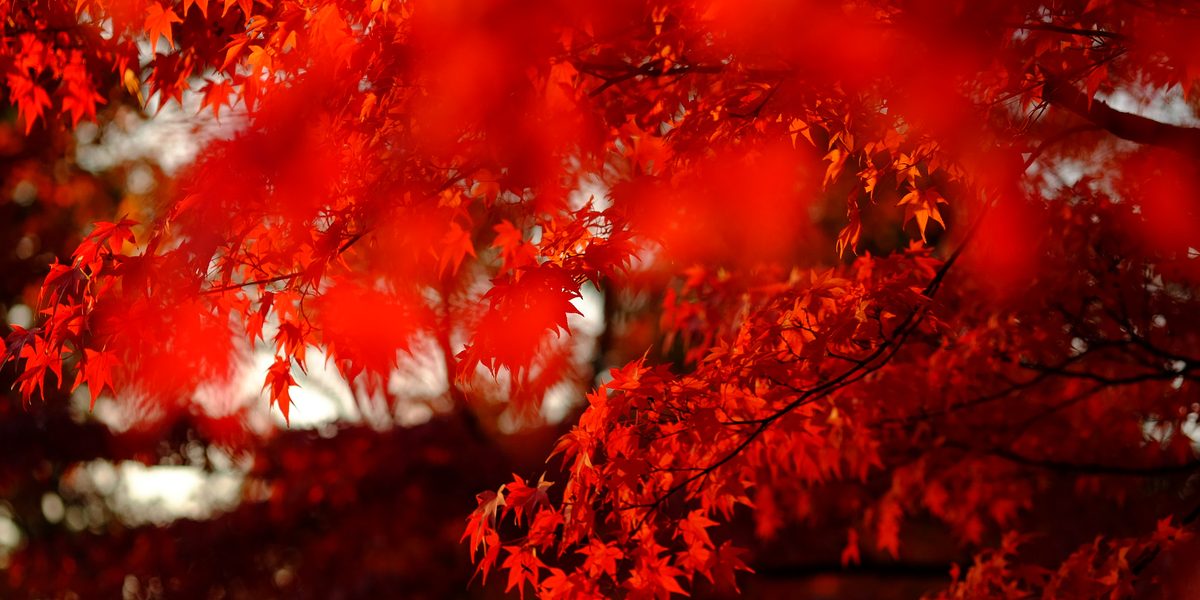
The single biggest upgrade to any garden trip is timing. Gardens are time-based art, and every one has peak moments worth building a trip around. Spring delivers the showstoppers, including bulb displays in the tens of thousands, flowering cherries and magnolias, and the first unfurling of everything. Early summer brings roses and perennials at full volume, high summer means water lilies and lush borders, autumn turns arboretum sections into color events, and even winter has its stars, with conservatories in full tropical glory, witch hazels blooming in the cold, and garden light festivals after dark.
Check the garden's own bloom calendar or seasonal highlights page while planning, and aim your dates at whatever display the garden is famous for. Then hedge like a pro: peak bloom shifts with the weather, so favor gardens with layered plantings where something succeeds something else continuously, and treat any single famous display as a hoped-for bonus rather than the entire itinerary.
Give It a Full Day and the Right Hours
The visitors who love gardens most arrive at opening time. The first hour offers soft light, cool air, active birds, empty paths, and photographers' conditions that vanish by midmorning. Walk the famous sections first, while they are quiet, then spend the busy midday hours in the shadier, less headline areas, which are often the most interesting anyway. Late afternoon brings the light back and empties the paths again; if the garden has evening hours, the last hour rivals the first.
- Start at the map, and choose three or four zones rather than attempting completeness.
- Walk slowly and sit often, because benches are placed where designers wanted you to look at something.
- Join a guided tour or ask a gardener, since staff and volunteers transform beds into stories.
- Eat inside the garden, picnicking where permitted or using the café, so the visit never has to break.
A full garden day sounds excessive until you have had one. The pace is the point: this is one of the few destinations where doing less genuinely delivers more.
Do Not Skip the Glasshouses
Conservatories are the gardens inside the garden, and travelers raised on outdoor strolling sometimes breeze past them. Do not. A great glasshouse is a climate machine and a cathedral at once, holding rainforest canopies with walkways through the crowns, desert houses full of sculptural giants, orchid rooms at permanent peak, and lily ponds with leaves big enough to shame umbrellas. On a cold or rainy day, the conservatory alone can justify the trip, which makes gardens one of the rare weatherproof outdoor destinations.
Glasshouses also showcase what a garden actually is behind the scenes: a conservation institution. Many protect species vanishing in the wild, run seed banks, and propagate rarities you will see nowhere else. Reading the labels in a conservatory is a tour of the planet's most fragile places, and supporting the garden with your admission is a small, direct act of conservation.
Explore the Themed Gardens Within the Garden
Destination gardens are anthologies, and their themed sections are where design gets personal. A Japanese-style garden teaches restraint, with every stone and pruned pine placed to compose a view. A medicinal or kitchen garden narrates centuries of human dependence on plants. Rock and alpine gardens miniaturize whole mountain ranges, children's gardens legitimize touching and climbing, and fragrance or sensory gardens, often designed with accessibility in mind, prove flowers are not primarily visual at all.
Treat these sections as separate destinations with separate moods, and match them to your day: contemplative areas in the quiet hours, lively family zones midday. Travelers with home gardens should bring a notebook, because themed gardens are idea factories, and the plant combinations and small design tricks on display are offered freely to anyone paying attention. Half the pleasure of a garden trip is the version of your own yard you carry home in your head.
Visit Gently and Bring the Right Kit
Garden etiquette is simple and mostly invisible until someone violates it. Stay on paths and lawns designated for walking, since beds compact and plants break under feet that meant no harm. Do not pick anything, ever, including the dropped blossom that seems free, as every visitor making one exception strips a garden. Keep voices low in contemplative sections, follow photography rules around tripods and events, and supervise children where the plantings are delicate, letting them run where the garden says run.
Packing is light but specific: comfortable shoes for more miles than you expect, sun protection, a water bottle, a compact rain layer, and something to sit on if lawns invite lingering. Photographers should bring whatever they carry at dawn anyway. Check the garden's calendar before arriving, since festivals, plant sales, and exhibitions can be either the highlight of your trip or the crowd you want to dodge, depending on your temperament.
Build the Trip Beyond the Gates
A garden-anchored trip has a natural shape. Gardens tend to sit in rewarding company, near historic estates, pleasant towns, and other green spaces, because the same conditions that grow great gardens grow agreeable regions. Spend the full day in the garden, then give the surrounding area the next day, and consider pairing two gardens within a short drive, as regions that support one great garden usually support several, each with a different character.
Travelers who fall for gardens eventually learn the membership trick: many gardens participate in reciprocal admission networks, so joining one modestly priced garden at home can unlock free entry at gardens across the map, quietly converting a one-off visit into a travel habit. Few hobbies upgrade future trips so cheaply.
Final Thoughts
A great botanical garden rewards exactly what modern travel trains out of us: patience, attention, and the willingness to sit still in front of something beautiful. Pick a garden with real collections and real history, time your visit to its peak, arrive at opening, give it the whole unhurried day, and let the glasshouses and themed gardens each have their moment. You will leave rested in a way few destinations manage, carrying ideas, photographs, and a standing appointment with a landscape that will be meaningfully different, and worth the trip again, by the time you return.