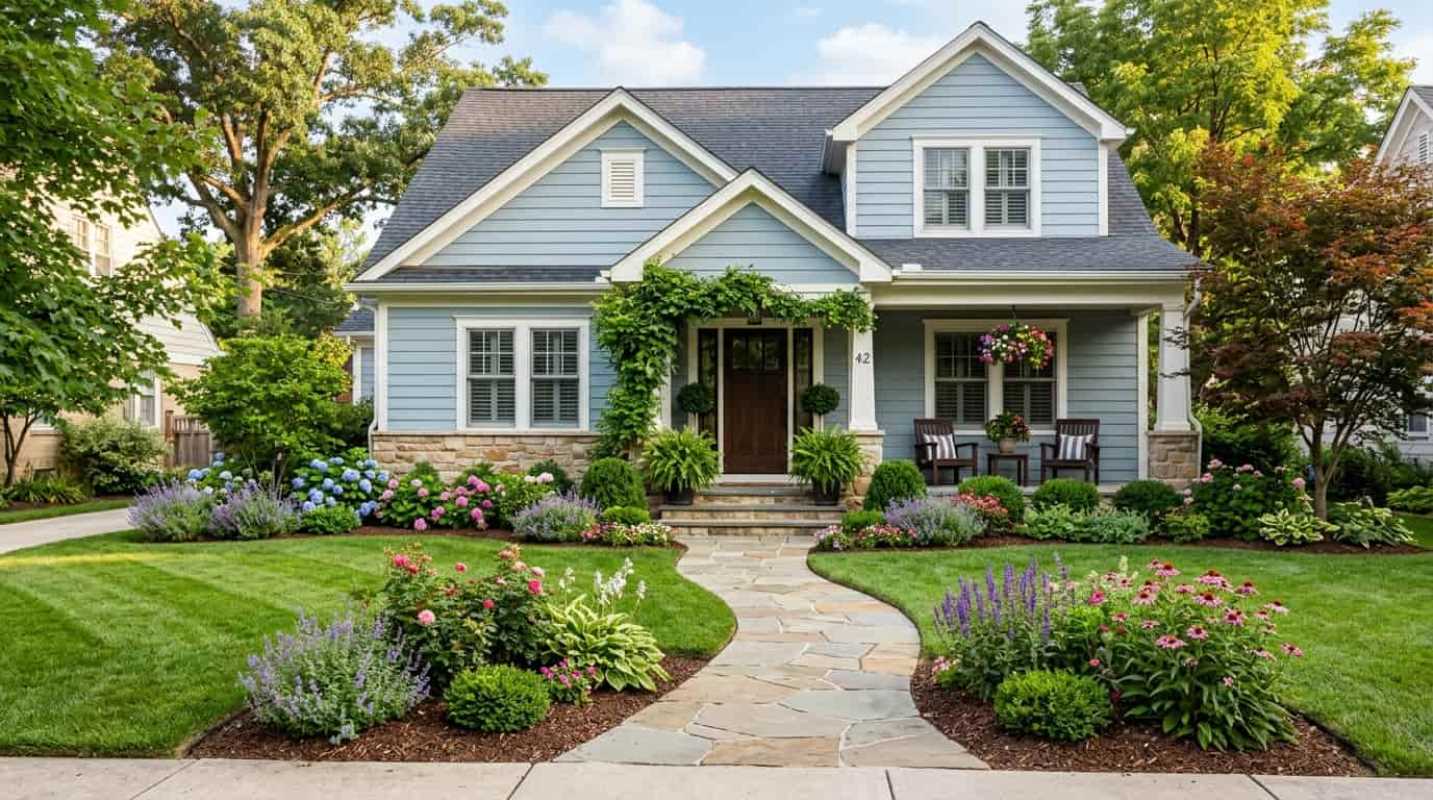
What comes to mind when you picture an eco-friendly home? Is it solar panels on the roof or minimalist bamboo furniture? A sustainable home goes well beyond surface appearance. In 2026, building green is less about aesthetic choices and more about how your home consumes resources every single day. We have shifted toward conscious consumption, where every watt of power and gallon of water matters.
There is another huge perk that comes with this shift. Going green protects your budget just as much as the planet. Lower utility bills, healthier indoor air, and reduced long-term maintenance costs make sustainable living a smart financial move.
Building Blocks: Choosing Energy-Efficient Materials
If you want a comfortable home that holds temperature effortlessly, start with the building envelope. Think of your home envelope like a high-performance winter coat. Without proper insulation and air sealing, warm air leaks right out in January, taking your money with it.
Installing high-performance triple-pane windows and thick continuous insulation keeps your indoor climate steady. This simple foundation reduces the workload on your heating and cooling equipment by a massive margin.
Material selection also plays a massive role in reducing your carbon footprint.
• Mass timber and bamboo: Rapidly renewable materials that store carbon naturally while offering high structural strength.
• Hempcrete: A natural biocomposite wall material that absorbs carbon during its lifecycle and regulates interior moisture without synthetic chemicals.
• Recycled steel and low-carbon concrete: Modern construction options that dramatically lower embedded carbon compared to traditional materials.
Choosing low-carbon materials stops pollution before your home is even built.
Smart Water Conservation Methods
Water shortages and rising municipal rates mean conserving water is top of mind for homeowners today. Luckily, saving water does not mean sacrificing comfort.
Simple interior fixtures make an immediate dent in daily water usage.
• Low-flow fixtures: Aerated showerheads and faucets cut total water volume without dropping water pressure.
• Dual-flush toilets: Options for liquid versus solid waste save thousands of gallons per year per household.
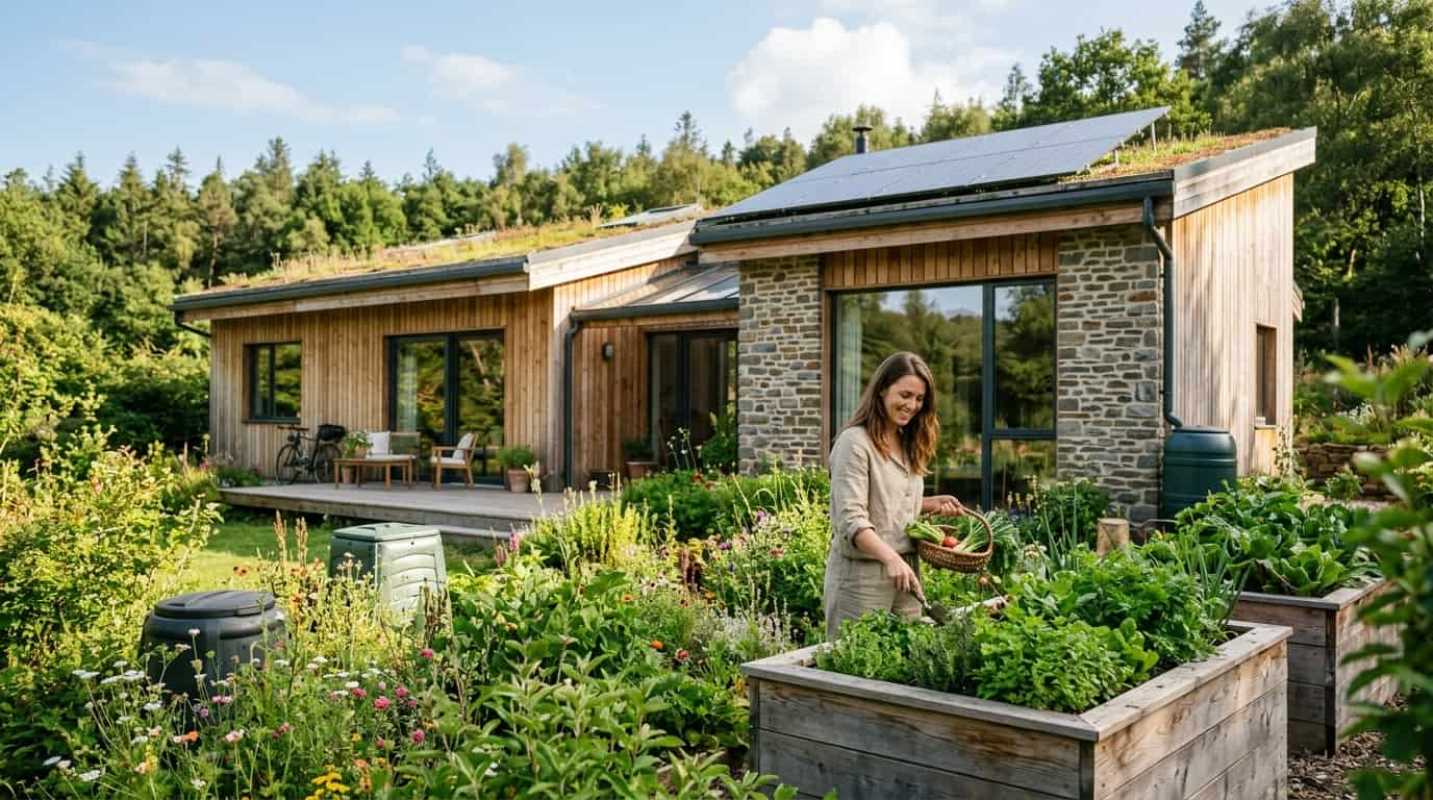
Outside the house, greywater systems capture drain water from laundry and showers to irrigate landscaping. Rainwater collection tanks store roof runoff for garden use during dry spells. For your yard, xeriscaping replaces water-thirsty grass lawns with native plants and drought-tolerant ground cover. You spend less time mowing and far less money on your monthly utility bill.
Powering Your Home: Renewable Energy and Efficiency
How you power your living space determines its true environmental impact. Modern power systems combine active generation with smart technology to optimize every kilowatt.
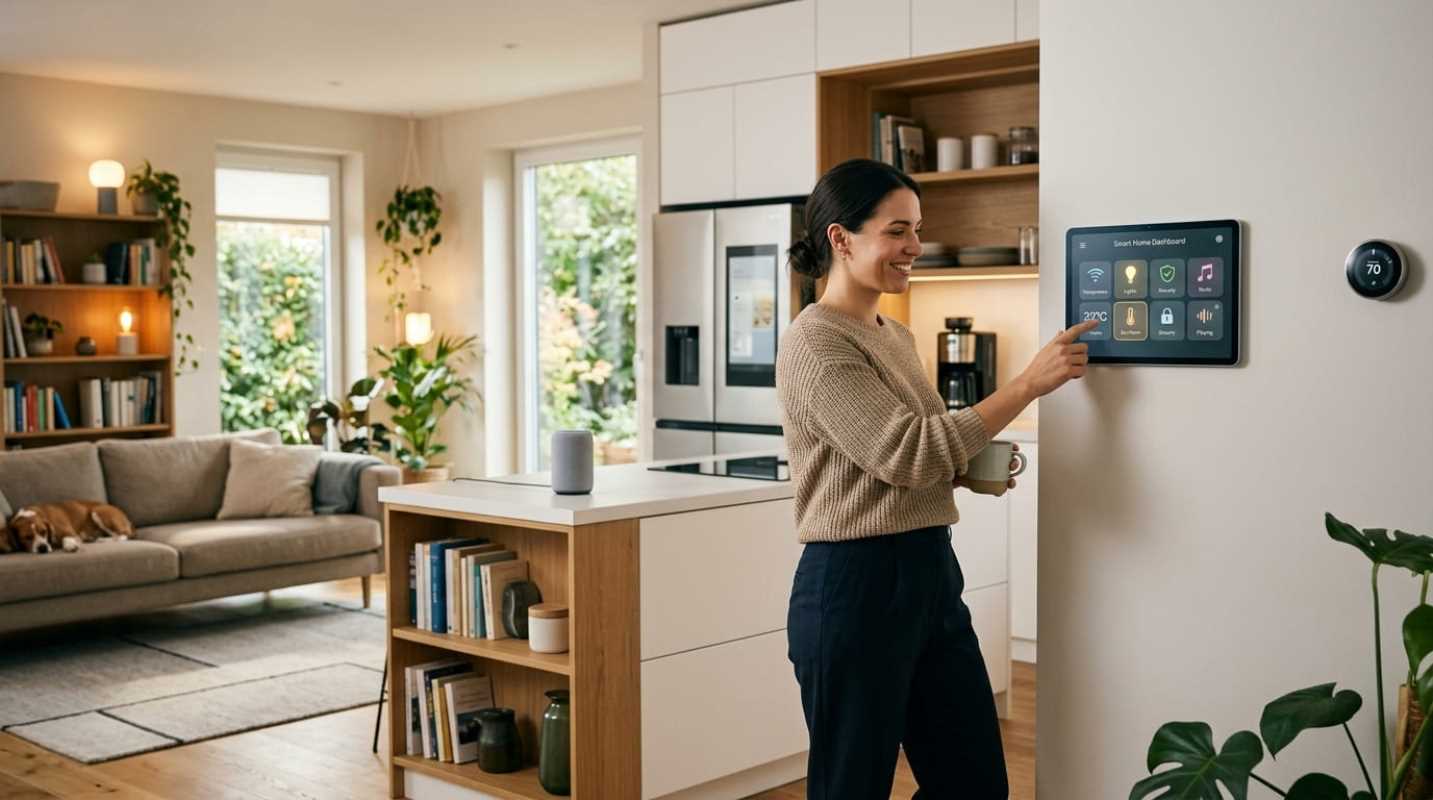
Smart energy monitors and artificial intelligence energy systems analyze your usage habits automatically. They direct power to heavy appliances when electricity rates are lowest and scale back power during peak price hours.
Pairing rooftop solar panels with home battery storage gives you energy independence. Modern electric vehicles even offer bidirectional charging. Your vehicle acts like a mobile battery pack that can run your house during power outages or grid rate spikes.
Simple daily habits still matter. Turning off phantom power draws on electronics, adjusting thermostat set points by two degrees, and running dishwashers only when full complement your high-tech hardware.
The Economic Advantage of Sustainability
Going green requires an upfront investment, but the financial return is hard to ignore. Nearly one in three new single-family homes now receives an official energy rating, saving homeowners an average of $1,100 every year on utility bills.¹
That financial payoff explains why 50 percent of home builders cite strong buyer demand as their primary reason for green construction.² You pay less month to month, and your property holds higher resale value down the road.
Government incentives make these upgrades far more affordable right now.
• Section 25C tax credit: Covers 30 percent of costs for insulation, air sealing, energy-efficient windows, and heat pumps up to specified limits.³
• Section 25D tax credit: Offers an uncapped 30 percent credit for solar panels and battery storage units.
• State rebates: Direct rebate programs offer point-of-sale discounts up to $8,000 for installing electric heat pumps.
These incentives bring high-performance upgrades well within reach for average budgets.
Starting Your Sustainable Journey
You do not need to gut your house or spend your savings overnight to make a difference. The best approach is stepping into green living gradually. Start by scheduling a professional home energy audit. An auditor identifies where your home loses air and energy so you can prioritize projects with the highest return on investment.
Sealing air leaks and upgrading your attic insulation costs relatively little while yielding immediate comfort and power savings. From there, you can upgrade aging appliances to heat pump technology when they reach the end of their lifespan.
Building an eco-friendly home is a process of small, deliberate upgrades. Every step you take creates a healthier, more efficient home for your family and a lighter footprint for the future.
Sources:
1. High Performance, High Value: How Energy Efficient Homes are Reshaping the Market
https://www.greenbuildermedia.com/blog/high-performance-high-value-how-energy-efficient-homes-are-reshaping-the-market
2. How Green Building is Shaping the Future of Construction
https://www.nahb.org/blog/2024/11/how-green-building-is-shaping-the-future-of-construction
3. Energy Efficient Home Improvement Credit
https://www.irs.gov/credits-deductions/energy-efficient-home-improvement-credit
*This article on southermore is for informational and educational purposes only. Readers are encouraged to consult qualified professionals and verify details with official sources before making decisions. This content does not constitute professional advice.*