Remember when smart appliances meant buying a refrigerator with a giant tablet slapped on the front? Or paying hundreds of dollars for light bulbs that change color to match your mood? We have all seen those gadgets. They look fun in promotional videos, but after a few weeks, the novelty wears off. You are left with a slow touchscreen in your kitchen or an app that refuses to connect when you just want to turn off the lights.
Things look very different today. The smart home market has grown up. We have shifted away from useless gimmicks toward practical tech that solves real problems. Instead of asking what a device can do, homeowners are asking a much better question: will this device actually save me time, money, or hassle?
When you evaluate smart home technology through the lens of long-term value, the picture gets clear fast. The right upgrades cut your monthly bills, protect your house from catastrophic damage, and make daily life easier. They can even boost your property value when it comes time to sell.
The Efficiency ROI: Smart Climate and Lighting
If you want a clear return on your investment, start with your utility bills. Heating, cooling, and electricity make up a huge chunk of your monthly home expenses. That is where targeted automation pays off fast.
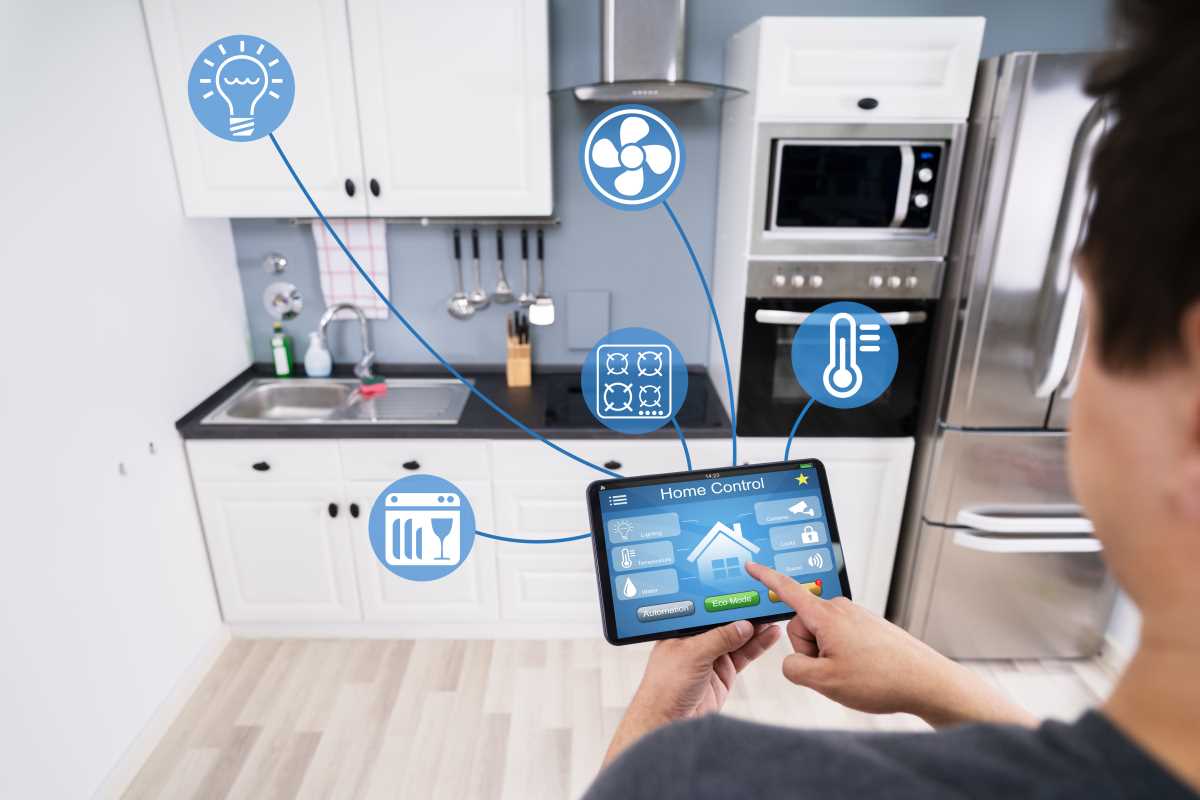
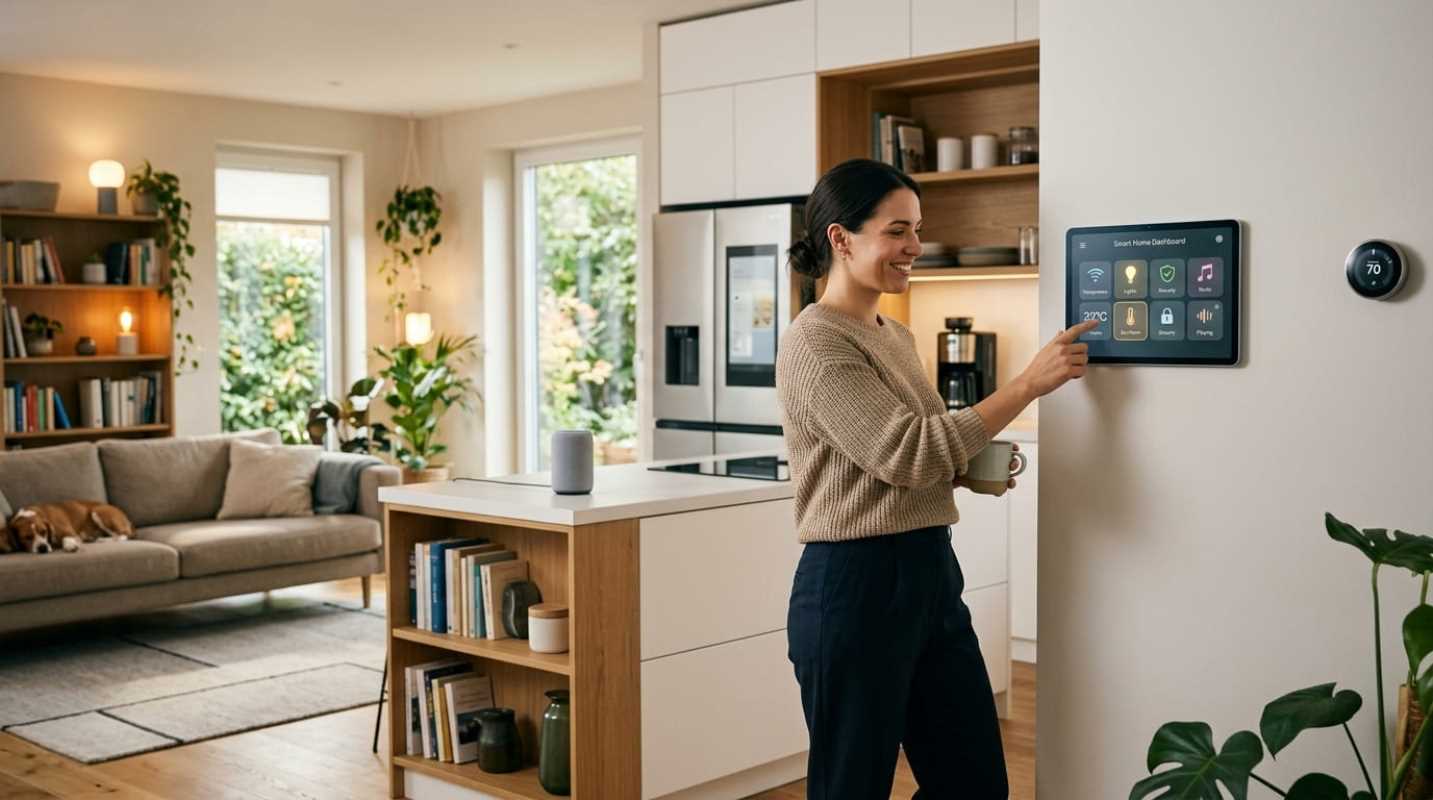
Smart thermostats are usually the best starting place for any homeowner. A quality thermostat learns your household patterns and adjusts temperatures automatically when you leave for work or go to sleep. Evaluations by the U.S. Department of Energy show that smart climate control reduces heating and cooling costs by 10% to 15% annually.¹ That means a standard device can pay for itself in just one to two years.
Beyond climate control, water protection and power management offer massive returns.
• Smart Leak Detectors: Water damage is one of the most common and expensive home repairs, with average claims ranging between $11,000 and $14,000. Installing a smart main-line shutoff valve can prevent catastrophic flooding by turning off your water automatically when a leak occurs. Plus, it can earn you a 5% to 15% discount on your home insurance.²
• Smart Electrical Panels: Modern energy management systems give you circuit-level control over your power consumption. They help you shift heavy appliance use away from peak electricity rate hours, saving hundreds of dollars a year if your utility company uses time-of-use pricing.
• Automated Lighting: Replacing high-traffic switches with smart dimmers or motion-sensing switches make sures lights are never left burning in empty rooms.
Security That Protects Your Peace of Mind
Home security used to mean signing a long, expensive contract for a wall-mounted keypad that beeped loudly every time you opened the front door. Today, smart security gives you full control right from your phone without locking you into predatory service plans.
Smart locks and video doorbells have quickly moved from luxury items to standard home features. Have you ever wondered if you remembered to lock the deadbolt after rushing out the door? With a smart lock, you can check your phone from anywhere and lock it with a single tap. You can also grant temporary access codes to guests or contractors without hiding a key under the doormat.
When choosing security hardware, focus on long-term reliability. Look for devices that offer local processing and battery backups so your system keeps running even if your internet goes down or the power cuts out during a storm. Hardware with physical keypads alongside digital app controls make sures you will never get locked out by a dead smartphone battery. Most insurance providers also offer discounts for monitored smart security setups, which helps offset the upfront cost over time.
The Connectivity Standard: Integration and Compatibility
In the past, building a smart home was a frustrating experience. You bought a plug from one brand, a light switch from another, and a motion sensor from a third. Before long, you needed five different apps on your phone and three separate hubs plugged into your Wi-Fi router. If one company went out of business or updated its software, half your setup stopped working.
That headache is finally disappearing thanks to Matter. Matter is an industry standard created by major tech companies like Apple, Google, Amazon, and Samsung to make sure smart home devices work together seamlessly.
Why is this such a big deal for your home?
• Cross-Platform Control: Matter devices work across multiple ecosystems simultaneously. You can control a light bulb using Apple Home on your iPhone while someone else in your house uses Google Assistant on an Android phone.
• Local Operation: Instead of sending every command through a remote cloud server, Matter devices communicate locally across your home network. This makes automations lightning fast and keeps your devices working even if your internet service goes down.
• Energy Management: Recent updates to the Matter standard added native support for home energy systems, including solar setups, battery storage, and heat pumps.³ This allows different device brands to coordinate automatically to reduce your overall power consumption.
To build a system that lasts, stick to devices that support Matter over Thread or Wi-Fi. You will avoid getting trapped in a single brand's system, and your smart home will remain flexible for years to come.
Investing in a Smarter Future
Building a smart home should not feel like an all-or-nothing project. You do not need to replace every switch, outlet, and appliance in your house overnight. In fact, trying to automate everything at once usually leads to confusion and wasted money.
The best approach is to start small and focus on high-impact upgrades first. Pick one area where you feel the most friction or see the highest bills. Install a smart thermostat to start shaving money off your electric bill, or put a smart lock on your front door to eliminate key management headaches. Once those devices are running smoothly, you can gradually add sensors, switches, or leak detectors.
When you make intentional, practical tech choices, you build a home that is safer, cheaper to run, and far more comfortable. Real estate surveys show that buyers actively seek out homes with smart climate control, energy management, and built-in security features. Homes with verified energy-saving tech sell faster and command higher prices on the market. By choosing practical automation over short-lived gimmicks, you are making an investment that pays off every single day you live in your home.
Sources:
1. Aker Development - Smart Home Systems for Cost Savings
https://akerdevelopment.com/smart-home-systems-for-cost-savings/
2. Iconic Property Management - Where Does Smart Home Technology Have the Strongest ROI?
https://iconicpm.com/glossary/where-does-smart-home-technology-have-the-strongest-roi/
3. Connectivity Standards Alliance - Matter 1.4 Enables More Capable Smart Homes
https://csa-iot.org/newsroom/matter-1-4-enables-more-capable-smart-homes/
*This article on southermore is for informational and educational purposes only. Readers are encouraged to consult qualified professionals and verify details with official sources before making decisions. This content does not constitute professional advice.*